

Free Helpline
We are here to assist you.
Health Advisor
+91-8877772277Available 7 days a week
10:00 AM – 6:00 PM to support you with urgent concerns and guide you toward the right care.

We are here to assist you.
Health Advisor
+91-8877772277Available 7 days a week
10:00 AM – 6:00 PM to support you with urgent concerns and guide you toward the right care.
Explore the causes, treatments, and prevention strategies for saggy skin, a common concern influenced by aging, weight loss, lifestyle, and more. Practical advice for Indian readers.

Have you noticed your skin losing its youthful firmness, perhaps around your jawline, arms, or abdomen? You're not alone. Saggy skin is a common concern for many, influenced by factors ranging from aging and weight fluctuations to lifestyle choices. In India, where diverse climates and lifestyles play a role, understanding the reasons behind sagging skin and exploring effective solutions is key to maintaining healthy, resilient skin.
This article will guide you through the intricacies of saggy skin. We'll explore why it happens, what you can do to prevent it, and the various treatment options available, from home remedies and topical treatments to advanced medical procedures. Our aim is to provide clear, practical, and empathetic advice tailored for readers in India.
Firm skin has a natural ability to stretch and then snap back into place. This elasticity is thanks to two vital proteins produced in the deeper layer of your skin, the dermis: collagen and elastin. Collagen provides the skin with its structure and firmness, like the scaffolding of a building. Elastin, as its name suggests, gives skin its elasticity, allowing it to bounce back after being stretched. When skin starts to lose these proteins, or when they become damaged, it loses its ability to regain its shape, leading to sagging.
This sagging can appear almost anywhere on the body. Common areas include the face, neck, upper arms, abdomen, thighs, and buttocks. While it can be a natural part of aging, other factors can accelerate or exacerbate its appearance.
Several factors contribute to the loss of skin elasticity and firmness. Understanding these causes can empower you to take proactive steps.
As we get older, our bodies naturally produce less collagen and elastin. This decline starts subtly in our 20s and becomes more noticeable over time. Our skin becomes thinner, drier, and less able to repair itself. This is why wrinkles, fine lines, and sagging become more apparent with age.
Losing a substantial amount of weight, especially if it's rapid, can leave behind saggy skin. When you carry extra weight for a long time, your skin stretches significantly. The collagen and elastin fibers can get damaged and lose their ability to fully retract. Think of a balloon that's been overinflated for a long time; even when deflated, it might not return to its original shape. This is particularly noticeable after losing 100 pounds or more, or after procedures like bariatric surgery.
Real-life scenario: Priya, after diligently following a diet and exercise plan for over a year, lost 50 kg. While thrilled with her health improvements, she felt disheartened by the loose skin that now hung around her arms and abdomen, making her feel self-conscious.
During pregnancy, the skin, especially around the abdomen, stretches to accommodate the growing baby. After delivery, particularly with multiple births or if the mother's age is a factor, the skin may not fully return to its pre-pregnancy tightness.
The sun's ultraviolet (UV) rays are notorious for damaging skin. Prolonged and unprotected sun exposure breaks down collagen and elastin fibers faster than the natural aging process. This leads to premature aging, including wrinkles, age spots, and sagging skin. Using sunscreen daily is a simple yet powerful way to combat this.
Our genes play a role in how our skin ages and its natural elasticity. Some individuals may be genetically predisposed to developing saggy skin earlier or more prominently than others.
While less common, certain medical conditions can manifest with saggy skin. These include rare disorders like Ehlers-Danlos syndrome (a connective tissue disorder affecting collagen production) and a specific subtype of cutaneous T-cell lymphoma known as granulomatous slack skin. These conditions require specialized medical diagnosis and management.
Saggy skin can present itself in various ways:
Most people do not notice early warning signs right away. That is common. A simple symptom diary, basic routine checks, and timely follow-up visits can prevent small problems from becoming serious.
If you are already on treatment, stay consistent with medicines and lifestyle advice. If your symptoms change, do not guess. Check with a qualified doctor and update your plan early.
Write down symptoms, triggers, and timing for a few days.
Carry old prescriptions and test reports to your consultation.
Ask clearly about side effects, red-flag signs, and follow-up dates.
Seek urgent care for severe pain, breathing trouble, bleeding, fainting, or sudden worsening.
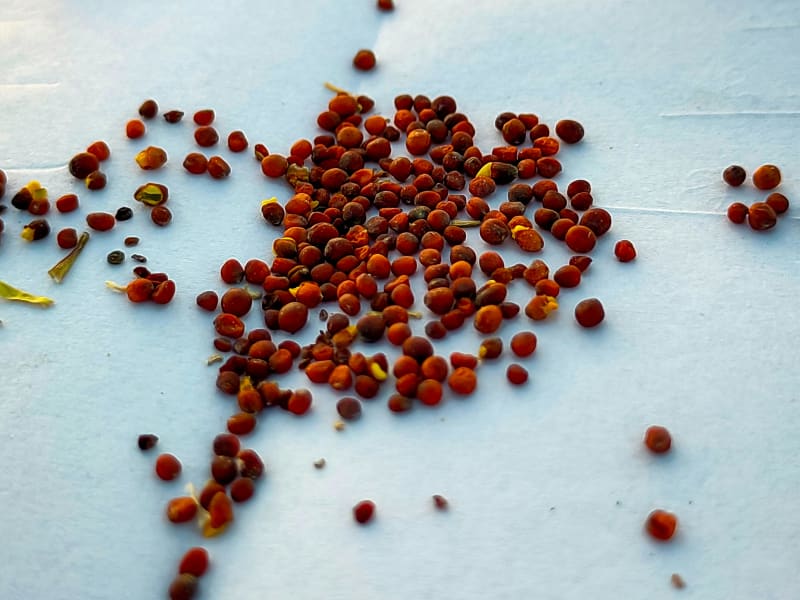
An example of a spice, which has potential health benefits, is mustard seeds. Their nutrition, applications, benefits, and safety are explained in simple terms in this manual.
April 11, 2026

Explore the fascinating world of DNA (deoxyribonucleic acid), the molecule that holds the blueprint for life. Learn about its structure, function, genes, and its vital role in health and inheritance, explained simply for Indian readers.
April 1, 2026

Discover effective, practical tips for recovering from the common cold faster. Learn about hydration, warm liquids, rest, and when to see a doctor, tailored for an Indian audience.
April 1, 2026