

Free Helpline
We are here to assist you.
Health Advisor
+91-8877772277Available 7 days a week
10:00 AM – 6:00 PM to support you with urgent concerns and guide you toward the right care.

We are here to assist you.
Health Advisor
+91-8877772277Available 7 days a week
10:00 AM – 6:00 PM to support you with urgent concerns and guide you toward the right care.
Discover why mucus appears in vomit, its common causes like colds, allergies, and pregnancy, and when you should seek medical attention. Learn about treatment and prevention.

Waking up and finding mucus in your vomit can be quite unsettling. Many people wonder what it means and if it's a sign of something serious. The good news is that in most situations, mucus in vomit is not a cause for alarm. Your body naturally produces mucus to protect various linings, including your stomach. Sometimes, this protective layer, or mucus from your nasal passages, can end up in your vomit. This article aims to demystify why you might see mucus when you vomit, explore common scenarios, and guide you on when it's time to consult a healthcare professional. We'll cover everything from everyday postnasal drip to more specific conditions that might lead to this symptom. What is Mucus and Why Does it Appear in Vomit? Mucus is a slippery, gel-like substance that your body produces to keep its tissues moist and protected. It's a vital part of your immune system, trapping foreign particles like dust, bacteria, and viruses, and helping to clear them from your body. You have mucus glands in your nose, throat, and stomach. When you vomit, your stomach expels its contents. If there's excess mucus present, either from your stomach lining or from your nasal passages (postnasal drip), it can be expelled along with other stomach contents. Stomach Mucus Protection Your stomach lining produces a thick layer of mucus. This mucus acts as a barrier, protecting the stomach wall from its own digestive acids. While this mucus usually stays within the stomach, in some instances, particularly when vomiting, some of this protective lining can be expelled. This is perfectly normal and a sign that your stomach is doing its job of self-protection. Postnasal Drip Explained Postnasal drip occurs when excess mucus from your nasal passages and sinuses drains down the back of your throat. This can happen due to allergies, infections (like the common cold or flu), or even changes in weather. When you vomit, especially if you have postnasal drip, this excess mucus can easily mix with the vomit and be expelled. Imagine this: You wake up with a scratchy throat and a stuffy nose. You might feel a tickle that makes you want to clear your throat. If you then feel nauseous and vomit, that accumulated mucus from your throat is likely to come up with the vomit. Common Causes of Mucus in Vomit Several everyday situations can lead to mucus in your vomit: 1. Colds, Flu, and Other Respiratory Infections When you have a cold or the flu, your body produces more mucus to trap and expel the viruses. This increased mucus can lead to postnasal drip. If the infection causes nausea or if you cough forcefully, you might vomit, and this vomit will likely contain mucus. 2. Allergies Allergic reactions, whether to pollen, dust, or certain foods, can cause your nasal passages to produce more mucus. This can result in significant postnasal drip, which, as mentioned, can lead to mucus in vomit. 3. Pregnancy (Morning Sickness) Morning sickness is a common experience for many pregnant women, affecting 70-80% of them. Hormonal changes during pregnancy can also lead to nasal congestion, making postnasal drip more common. The combination of nausea, vomiting, and increased mucus can naturally result in mucus appearing in vomit. 4. Intense Coughing Episodes Sometimes, a severe coughing fit can be so intense that it triggers the gag reflex and leads to vomiting. This is particularly true for conditions like whooping cough (pertussis) in children. The vomit produced after such a coughing episode will almost certainly contain mucus. 5. Stomach Upset and Irritation Various factors can irritate your stomach lining, leading to vomiting. This irritation might be due to food poisoning, consuming too much alcohol, or even certain medications. When the stomach lining is irritated, it may expel more mucus as part of its protective response. 6. Young Children Children, especially very young ones, often have difficulty blowing their noses or coughing up mucus effectively. They tend to swallow a lot of the mucus they produce. This can lead to an upset stomach and vomiting, with mucus being a common component of the vomit. What if the Vomit is Clear? If your vomit is clear and watery, it usually means your stomach is empty of food. It could simply be stomach secretions and fluids. Sometimes, drinking a large amount of water quickly can distend your stomach and lead to vomiting clear liquid. In most cases, clear vomit is not a concern on its own. When to Be Concerned: Red Flags to Watch For While mucus in vomit is often harmless, certain accompanying symptoms warrant medical attention. It's important to seek professional help if you experience any of the following: Severe or Persistent Vomiting: If you cannot keep any liquids down for an extended period (more than 24 hours), you risk dehydration. Blood in Vomit: Vomiting blood (which can look like coffee grounds or bright red) is a serious sign that requires immediate medical evaluation. Signs of Dehydration: These include dizziness, extreme thirst, dry mouth, reduced urination, and fatigue. High Fever: A very high fever accompanying vomiting could indicate a serious infection. Severe Abdominal Pain: Intense or worsening stomach pain needs medical assessment. Difficulty Breathing: If vomiting is accompanied by shortness of breath, seek emergency care. Confusion or Lethargy: These can be signs of severe illness or dehydration. Specific Concerns for Children: For young children, seek immediate medical attention if vomiting is accompanied by: Signs of dehydration Lethargy or unusual sleepiness Inconsolable crying A stiff neck Rash Blood in vomit or stool Diagnosis: How Doctors Figure It Out If you consult a doctor about mucus in your vomit, they will likely start by asking about your symptoms, medical history, and any recent illnesses or dietary changes. They may perform a physical examination. Depending on your situation, they might recommend further tests: Blood Tests: To check for infection, dehydration, or electrolyte imbalances. Stool Sample: To check for infections if diarrhea is also present. Imaging Tests: Such as an X-ray or CT scan, if they suspect a blockage or other internal issues, though this is less common for simple mucus in vomit. Treatment and Management The treatment for mucus in vomit primarily focuses on addressing the underlying cause: 1. Hydration is Key The most important step is to prevent dehydration. Sip small amounts of clear fluids like water, oral rehydration solutions (ORS), clear broths, or diluted fruit juices. Avoid sugary drinks, caffeine, and alcohol. 2. Rest Allow your body to recover. Get plenty of rest, especially if you're dealing with an infection. 3. Dietary Adjustments Once you can tolerate food, start with bland, easy-to-digest items like the BRAT diet (Bananas, Rice, Applesauce, Toast). Gradually reintroduce other foods as your stomach settles. 4. Medications for Underlying Causes For Infections: If a bacterial infection is present, antibiotics may be prescribed. Antiviral medications might be used for severe flu. For Allergies: Antihistamines or other allergy medications can help manage postnasal drip. For Nausea: Anti-nausea medications might be prescribed in cases of severe vomiting, such as during pregnancy. 5. Managing Postnasal Drip If postnasal drip is the main culprit, treatments might include saline nasal rinses, decongestants (use with caution and as directed), or allergy medications. Prevention Tips While not all instances of mucus in vomit can be prevented, you can reduce your risk: Practice Good Hygiene: Wash your hands frequently to prevent colds and flu. Manage Allergies: Identify and avoid your allergy triggers. Stay Hydrated: Drink plenty of fluids throughout the day. Eat a Balanced Diet: Support your immune system with nutritious food. Avoid Stomach Irritants: Limit alcohol and spicy foods if they tend to upset your stomach. Frequently Asked Questions (FAQ) Q1: Is mucus in vomit a sign of a serious illness? A: Generally, no. Mucus in vomit is often due to normal bodily functions like stomach protection or postnasal drip. However, it's important to monitor for other concerning symptoms like severe pain, blood, or dehydration. Q2: Can stress cause mucus in vomit? A: While stress can cause nausea and upset stomach, it's not a direct cause of excess mucus. However, stress can sometimes worsen existing conditions like postnasal drip or stomach irritation, indirectly contributing. Q3: How long should I wait before seeing a doctor if I have mucus in my vomit? A: If you have no other concerning symptoms and can keep fluids down, you can often manage at home. However, if vomiting persists for more than 24 hours, or if you develop any of the red flag symptoms mentioned, consult a doctor promptly. Q4: Can I take medication for nausea if I have mucus in my vomit? A: If nausea is severe and you're unable to keep fluids down, a doctor may prescribe anti-nausea medication. However, it's best to consult a healthcare professional before taking any medication, especially if you have other health conditions or are pregnant. When to Consult a Doctor You should reach out to your doctor if: Vomiting, with or without mucus, continues for more than 24 hours, and you cannot keep
In summary, timely diagnosis, evidence-based treatment, and prevention-focused care improve long-term health outcomes.
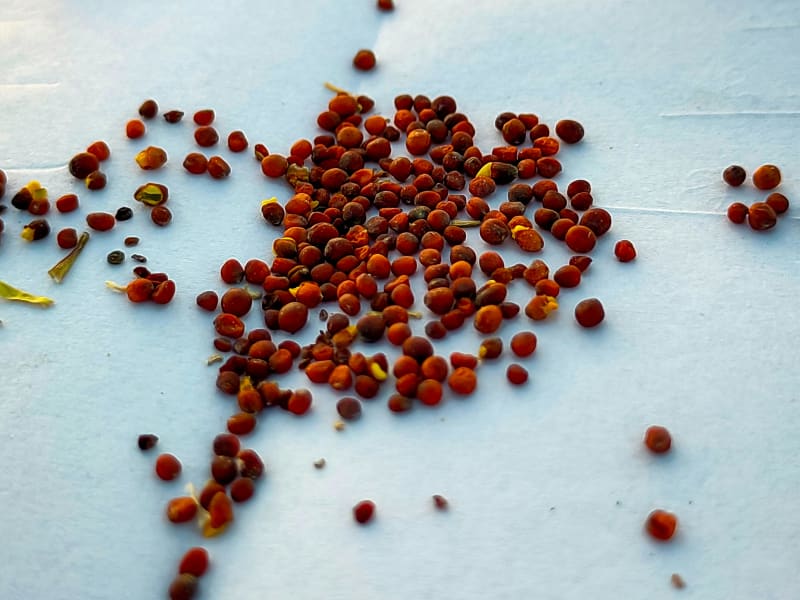
An example of a spice, which has potential health benefits, is mustard seeds. Their nutrition, applications, benefits, and safety are explained in simple terms in this manual.
April 11, 2026

Explore the fascinating world of DNA (deoxyribonucleic acid), the molecule that holds the blueprint for life. Learn about its structure, function, genes, and its vital role in health and inheritance, explained simply for Indian readers.
April 1, 2026

Discover effective, practical tips for recovering from the common cold faster. Learn about hydration, warm liquids, rest, and when to see a doctor, tailored for an Indian audience.
April 1, 2026