

Free Helpline
We are here to assist you.
Health Advisor
+91-8877772277Available 7 days a week
10:00 AM – 6:00 PM to support you with urgent concerns and guide you toward the right care.

We are here to assist you.
Health Advisor
+91-8877772277Available 7 days a week
10:00 AM – 6:00 PM to support you with urgent concerns and guide you toward the right care.
Endo belly is severe, painful bloating and abdominal swelling linked to endometriosis. Learn about its causes, symptoms, and management strategies including diet and medical treatments.

Endometriosis is a condition that affects many women, and one of its less-discussed yet significantly impactful symptoms is what's commonly referred to as 'endo belly'. This isn't just a little bit of bloating; it's a severe, often painful swelling and discomfort in the abdomen that can profoundly affect a woman's quality of life. If you experience significant abdominal bloating, especially around your period, and it's accompanied by pain, pressure, or a feeling of fullness, you might be dealing with endo belly. Let’s explore what causes it, its symptoms, and how it can be managed.
Before we dive into endo belly, it’s essential to understand endometriosis itself. Endometriosis occurs when tissue similar to the lining of your uterus, known as the endometrium, grows outside the uterus. This misplaced tissue can implant on the ovaries, fallopian tubes, the outer surface of the uterus, and even on the bladder or bowel. While this tissue behaves like the endometrium inside the uterus – thickening, breaking down, and bleeding each month – it has no way to exit the body. This trapped blood and tissue can lead to inflammation, irritation, scar tissue formation, and adhesions, where tissues stick together.
Endo belly, also called endometriosis belly, is a term used to describe the significant bloating and abdominal distension experienced by individuals with endometriosis. This swelling can be so pronounced that some women report looking pregnant. Unlike typical menstrual bloating, endo belly can be persistent, painful, and accompanied by a range of gastrointestinal issues.
Several factors related to endometriosis can contribute to the development of endo belly:
The primary symptom of endo belly is noticeable abdominal bloating and swelling. However, this often comes with other accompanying issues:
For many, endo belly is closely tied to their menstrual cycle. The hormonal shifts that trigger menstruation can also cause the endometrial implants outside the uterus to bleed and swell, leading to increased inflammation and bloating. Some women report their bloating is worst just before or during their period, while others experience it more consistently, or it might worsen with certain foods or stress.
Managing endo belly involves a two-pronged approach: addressing the symptoms and treating the underlying endometriosis.
What you eat can significantly impact bloating. While individual triggers vary, some dietary strategies commonly recommended include:
A real-life scenario: Priya, a 32-year-old IT professional, noticed her abdomen would swell significantly a week before her period, making her jeans uncomfortably tight and causing her to feel constantly bloated. She also experienced sharp pains. After consulting her doctor and a dietitian, she adopted a low-FODMAP diet, reducing her intake of onions, garlic, and wheat. Within a month, she noticed a marked improvement in her bloating and discomfort, allowing her to feel more comfortable during her cycle.
Since endo belly is a symptom of endometriosis, managing the underlying condition is key. Treatment options for endometriosis are varied and depend on the severity of the condition and individual needs:
Beyond diet, other lifestyle changes can help:
It is important to seek medical advice if you experience:
Your doctor can help diagnose the cause of your bloating and recommend appropriate treatment strategies for endometriosis and its related symptoms like endo belly.
While bloating associated with your period might fluctuate, endo belly is a symptom of an underlying condition (endometriosis) that typically requires medical management. Without addressing endometriosis, the bloating and discomfort are likely to persist or recur.
Endo belly is often accompanied by pain, pressure, and discomfort. However, the intensity of pain can vary significantly from person to person and even from cycle to cycle. Some may experience significant pain, while others primarily notice the swelling and fullness.
Endo belly is a symptom of endometriosis and is not related to pregnancy. The appearance of looking pregnant is due to severe abdominal swelling caused by the condition itself.
Regular bloating is often temporary and can be caused by diet, gas, or hormonal changes related to menstruation. Endo belly is typically more severe, persistent, painful, and directly linked to the inflammation and tissue growth associated with endometriosis. It can last for days or weeks and is often more distressing than typical bloating.
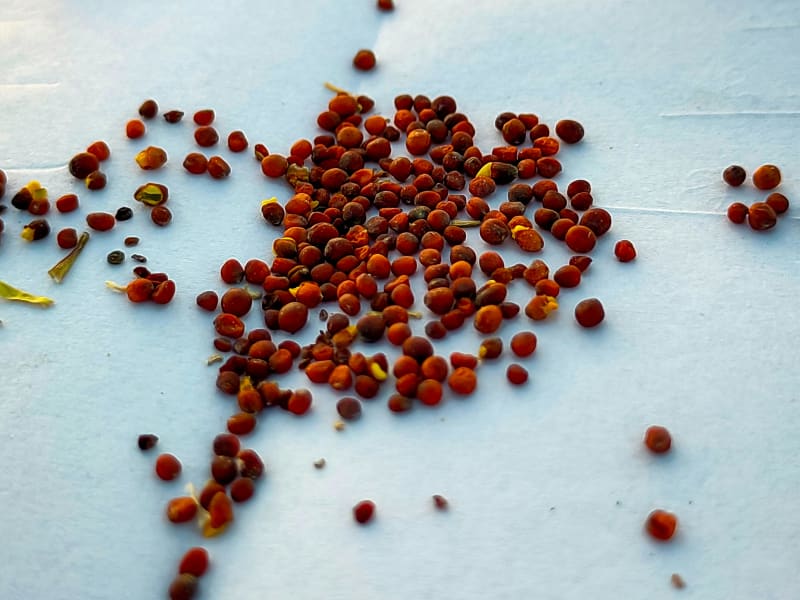
An example of a spice, which has potential health benefits, is mustard seeds. Their nutrition, applications, benefits, and safety are explained in simple terms in this manual.
April 11, 2026

Explore the fascinating world of DNA (deoxyribonucleic acid), the molecule that holds the blueprint for life. Learn about its structure, function, genes, and its vital role in health and inheritance, explained simply for Indian readers.
April 1, 2026

Discover effective, practical tips for recovering from the common cold faster. Learn about hydration, warm liquids, rest, and when to see a doctor, tailored for an Indian audience.
April 1, 2026