

Free Helpline
We are here to assist you.
Health Advisor
+91-8877772277Available 7 days a week
10:00 AM – 6:00 PM to support you with urgent concerns and guide you toward the right care.

We are here to assist you.
Health Advisor
+91-8877772277Available 7 days a week
10:00 AM – 6:00 PM to support you with urgent concerns and guide you toward the right care.
Learn about casein allergy, its symptoms, causes, and how to manage it effectively, especially for Indian families. Understand the difference between allergy and intolerance.

A casein allergy is a common concern, especially for parents with infants and young children. It’s an immune system reaction to casein, a protein found abundantly in milk and dairy products. When your body mistakenly identifies casein as a harmful invader, it triggers an allergic response. This differs significantly from lactose intolerance, where the issue is with digesting milk sugar (lactose) due to a lack of the lactase enzyme. A casein allergy, however, involves the immune system and can lead to more severe reactions.
In India, where dairy products like milk, ghee, and curd are staples in many diets, understanding casein allergy is particularly important. While many children outgrow this allergy by the age of 3 to 5, some may continue to experience it into adulthood. This guide will help you navigate the complexities of casein allergy, from recognizing symptoms to managing it effectively.
Casein is one of the primary proteins found in mammalian milk, making up about 80% of the protein content in cow's milk. It's responsible for giving milk its white, opaque appearance and plays a vital role in providing essential nutrients. Besides cow's milk, casein is present in other dairy products derived from it.
The exact reasons why some individuals develop a casein allergy remain unclear. However, experts believe genetics might play a role. The immune system of a person with a casein allergy overreacts to casein, perceiving it as a threat. This triggers the release of chemicals like histamine, leading to allergic symptoms. Infants who are breastfed seem to have a slightly lower risk of developing this allergy, though it’s not a guarantee against it.
The symptoms of a casein allergy can vary in severity and may appear shortly after consuming dairy products. For infants, these signs might include:
In older children and adults, symptoms can be similar and may also include:
A Severe Reaction: Anaphylaxis
In rare but serious cases, a casein allergy can trigger anaphylaxis. This is a life-threatening allergic reaction that requires immediate medical attention. Signs of anaphylaxis include:
If you suspect anaphylaxis, call for emergency medical help immediately.
Casein allergies often manifest in infants around 3 months of age. This is often when cow's milk or formula is introduced or when a mother's diet changes significantly if she is breastfeeding. The American Academy of Pediatrics (AAP) recommends delaying the introduction of cow's milk until a baby is at least one year old due to its high protein and nutrient content, which can be difficult for an infant's immature digestive system to handle.
Confirming a casein allergy usually involves a combination of your medical history, a physical examination, and specific allergy tests. Your doctor will ask about your symptoms, when they occur, and what you consumed before they started. They might recommend:
It's vital to have these tests performed by a qualified healthcare professional to get an accurate diagnosis.
The cornerstone of managing a casein allergy is strict avoidance of all milk and dairy products. This can be challenging, especially with hidden sources of casein in processed foods. Here’s how to manage it:
Most people do not notice early warning signs right away. That is common. A simple symptom diary, basic routine checks, and timely follow-up visits can prevent small problems from becoming serious.
If you are already on treatment, stay consistent with medicines and lifestyle advice. If your symptoms change, do not guess. Check with a qualified doctor and update your plan early.
Write down symptoms, triggers, and timing for a few days.
Carry old prescriptions and test reports to your consultation.
Ask clearly about side effects, red-flag signs, and follow-up dates.
Seek urgent care for severe pain, breathing trouble, bleeding, fainting, or sudden worsening.
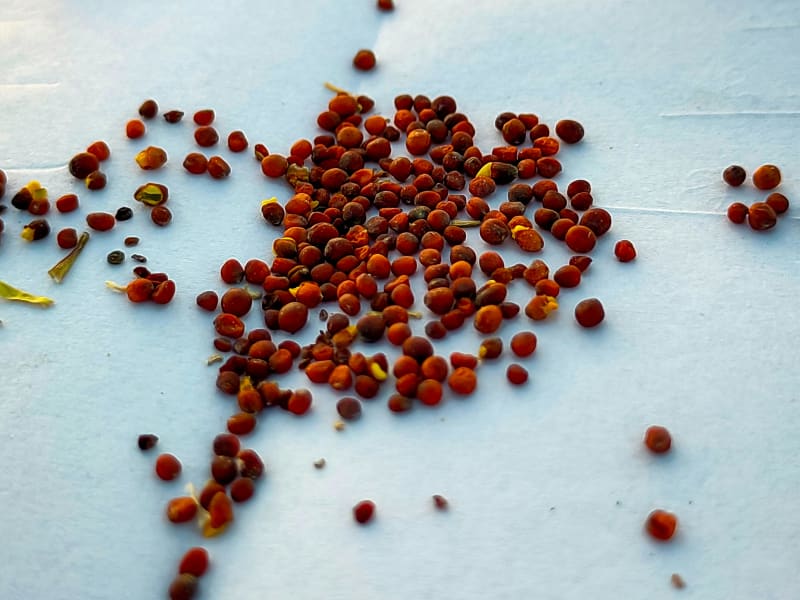
An example of a spice, which has potential health benefits, is mustard seeds. Their nutrition, applications, benefits, and safety are explained in simple terms in this manual.
April 11, 2026

Explore the fascinating world of DNA (deoxyribonucleic acid), the molecule that holds the blueprint for life. Learn about its structure, function, genes, and its vital role in health and inheritance, explained simply for Indian readers.
April 1, 2026

Discover effective, practical tips for recovering from the common cold faster. Learn about hydration, warm liquids, rest, and when to see a doctor, tailored for an Indian audience.
April 1, 2026