

Free Helpline
We are here to assist you.
Health Advisor
+91-8877772277Available 7 days a week
10:00 AM – 6:00 PM to support you with urgent concerns and guide you toward the right care.

We are here to assist you.
Health Advisor
+91-8877772277Available 7 days a week
10:00 AM – 6:00 PM to support you with urgent concerns and guide you toward the right care.
Learn to identify and manage acne-prone skin with our comprehensive guide. Discover causes, types of acne, effective skincare routines, and lifestyle tips for clearer, healthier skin.

Acne is a common skin condition that affects people of all ages. If you frequently experience breakouts, understanding your skin type and the nature of your acne is the first step toward clearer, healthier skin. This guide will walk you through identifying acne-prone skin, its various types, underlying causes, and effective strategies for management and prevention. We'll cover everything from building the right skincare routine to making lifestyle adjustments that can make a real difference.
Acne-prone skin is a skin type characterized by a tendency to develop acne. This means you're more likely to experience pimples, blackheads, whiteheads, cysts, or nodules. It's not just about occasional breakouts; it's a persistent susceptibility to clogged pores and inflammation. Many people believe acne is solely a teenage problem, but it can persist into adulthood, affecting men and women alike. It's important to remember that everyone’s skin is unique, and what works for one person might not work for another. Factors like genetics, hormones, and even your environment play a role.
Knowing your skin type is fundamental to creating an effective skincare routine. A simple test can help you determine this:
Based on the results, your skin type could be:
It’s possible to have acne-prone skin without it being strictly oily or dry. The key is understanding how your skin reacts to products and environmental factors.
Acne isn't a one-size-fits-all condition. It broadly falls into two main categories:
These are generally milder forms and include:
This type involves redness, swelling, and discomfort. It can range from:
Understanding the type of acne you have helps in choosing the right treatment and care.
Several factors contribute to the development of acne:
Consistency and the right products are key. Here’s a foundational routine for acne-prone skin:
Skincare is only part of the equation. Lifestyle choices significantly impact acne:
Most people do not notice early warning signs right away. That is common. A simple symptom diary, basic routine checks, and timely follow-up visits can prevent small problems from becoming serious.
If you are already on treatment, stay consistent with medicines and lifestyle advice. If your symptoms change, do not guess. Check with a qualified doctor and update your plan early.
Write down symptoms, triggers, and timing for a few days.
Carry old prescriptions and test reports to your consultation.
Ask clearly about side effects, red-flag signs, and follow-up dates.
Seek urgent care for severe pain, breathing trouble, bleeding, fainting, or sudden worsening.
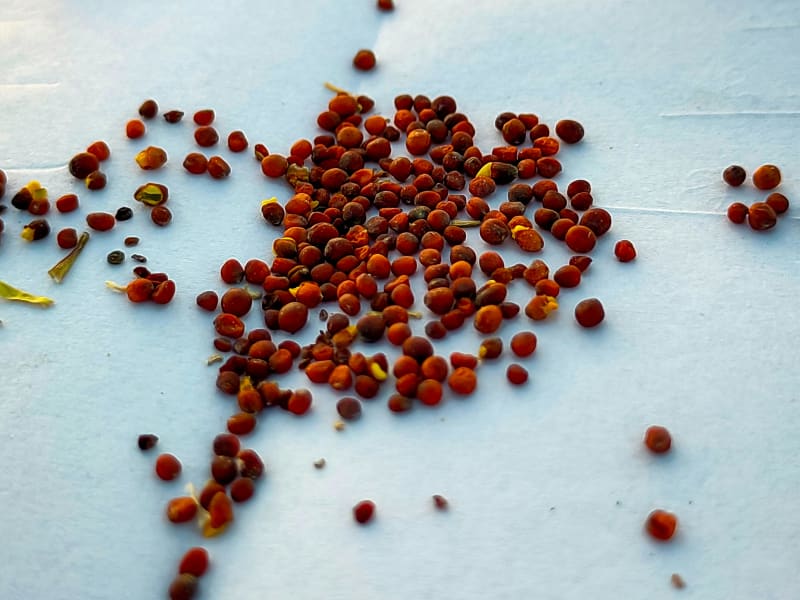
An example of a spice, which has potential health benefits, is mustard seeds. Their nutrition, applications, benefits, and safety are explained in simple terms in this manual.
April 11, 2026

Explore the fascinating world of DNA (deoxyribonucleic acid), the molecule that holds the blueprint for life. Learn about its structure, function, genes, and its vital role in health and inheritance, explained simply for Indian readers.
April 1, 2026

Discover effective, practical tips for recovering from the common cold faster. Learn about hydration, warm liquids, rest, and when to see a doctor, tailored for an Indian audience.
April 1, 2026