

Free Helpline
We are here to assist you.
Health Advisor
+91-8877772277Available 7 days a week
10:00 AM – 6:00 PM to support you with urgent concerns and guide you toward the right care.

We are here to assist you.
Health Advisor
+91-8877772277Available 7 days a week
10:00 AM – 6:00 PM to support you with urgent concerns and guide you toward the right care.
Understand why your poop might be sticky, greasy, or tarry. Learn about the causes, symptoms, and effective treatments for sticky stools, from dietary changes to medical conditions.

Have you ever noticed your poop sticking stubbornly to the side of the toilet bowl after flushing? Or perhaps you've seen stool that looks unusually greasy, pale, or even dark and tarry? While it might feel a bit embarrassing to talk about, changes in your stool's consistency and appearance are your body's way of communicating what's happening inside. Sticky poop, medically known as steatorrhea when it's greasy and pale, can be a sign of various things, ranging from simple dietary adjustments to underlying medical conditions. Understanding these changes is the first step towards addressing them and ensuring your digestive health is on the right track. In India, where dietary habits can be diverse and sometimes rich in fats and spices, recognizing unusual stool can be particularly important. Our traditional diets often include a variety of dals, vegetables, and sometimes richer gravies, all of which can influence digestion. This article aims to provide a clear, practical guide to understanding sticky poop, its potential causes, associated symptoms, and effective treatment strategies, all explained in a way that’s easy for you to understand and act upon. What Exactly Is Sticky Poop? Simply put, sticky poop refers to stool that doesn't easily flush away and tends to adhere to the toilet bowl. It can also manifest as stool that appears greasy, pale, or unusually dark and tarry. The consistency of your stool is a reflection of its fat and water content, as well as how quickly or slowly it moves through your digestive system. When stool is sticky, it often indicates that there's an excess of fat that your body hasn't absorbed properly, or it could signal a problem with how your digestive system is functioning. Common Causes of Sticky Poop Several factors can contribute to sticky stools. Let's explore the most common ones: 1. High-Fat Diet One of the most frequent culprits behind sticky poop is consuming too much fat. When your diet is overloaded with fats, your digestive system might struggle to absorb all of it. The unabsorbed fat then ends up in your stool, giving it a greasy, sticky texture, much like peanut butter. This is a direct consequence of your food intake impacting your body's output. While this might seem alarming, it's often a temporary issue that can be resolved by adjusting your diet. 2. Malabsorption Issues Sometimes, sticky poop isn't just about the fat you eat, but about your body's inability to properly absorb nutrients and fats from the food you consume. Conditions that interfere with this process can lead to malabsorption and, consequently, sticky stools. These can include: Celiac Disease: An autoimmune disorder where consuming gluten damages the small intestine, hindering nutrient absorption. Inflammatory Bowel Disease (IBD): Conditions like Crohn's disease and ulcerative colitis cause chronic inflammation in the digestive tract, affecting digestion and absorption. Pancreatic Problems: Your pancreas produces enzymes essential for digesting fats. If your pancreas isn't functioning correctly (e.g., chronic pancreatitis, pancreatic insufficiency), fat digestion suffers. Other Conditions: Stomach ulcers, esophagitis, and lactose intolerance can also play a role in how well your body processes food and fluids. 3. Infections Certain infections can disrupt your digestive system, leading to changes in stool consistency. For instance, infections like giardiasis, a parasitic infection, can cause diarrhea and greasy, foul-smelling stools. 4. Melena (Dark, Tarry Stools) If your sticky stool is also dark and tarry, it might indicate bleeding higher up in your digestive tract, such as in the stomach or small intestine. When blood is exposed to digestive acids for a longer period, it turns dark and sticky. This is a more serious symptom that requires immediate medical attention. 5. Insufficient Water Intake While not directly causing stickiness, inadequate hydration can affect stool consistency. If you're not drinking enough water, your stool might become harder and more difficult to pass, and in some cases, this can contribute to a sticky feeling. Recognizing the Symptoms Sticky poop can come with other signs that might help pinpoint the cause. Pay attention to: Greasy or Oily Appearance: Stool that looks shiny or has an oily sheen. Pale Color: Light-colored or clay-colored stools can indicate issues with bile production or flow, which is essential for fat digestion. Dark, Tarry Appearance: As mentioned, this suggests bleeding in the upper digestive tract. Foul Odor: Greasy, fatty stools often have a particularly strong and unpleasant smell. Floating Stools: Fatty stools tend to be less dense and may float in the toilet bowl. Associated Digestive Discomfort: You might also experience abdominal cramps, bloating, gas, or diarrhea along with sticky stools. Real-life Scenario: Priya, a 35-year-old homemaker in Delhi, often makes rich curries for her family. Lately, she noticed her stools were sticking to the bowl and looked oily. She also felt a bit bloated after meals. Initially, she dismissed it, but after a week, the bloating became more persistent, prompting her to think about her diet. When to Seek Medical Advice While an occasional sticky stool might not be a cause for alarm, you should consult a doctor if: Your sticky stools are persistent and don't improve with dietary changes. You notice blood or mucus in your stool. Your stools are consistently dark and tarry. You experience severe abdominal pain, unexplained weight loss, or persistent diarrhea. You have other concerning symptoms like jaundice (yellowing of the skin and eyes). A doctor can help diagnose the underlying cause through a physical examination, reviewing your medical history, and possibly recommending tests like stool analysis or blood tests. Diagnosis of Sticky Poop Diagnosing the cause of sticky poop typically involves a combination of: Medical History and Physical Exam: Your doctor will ask about your diet, symptoms, and any existing health conditions. Stool Analysis: A laboratory test of your stool can check for fat content (fecal fat test), infections, or signs of bleeding. Blood Tests: These can help detect inflammation, infections, or problems with organs like the pancreas or liver. Imaging Tests: Depending on the suspected cause, tests like an ultrasound, CT scan, or MRI might be ordered to visualize your digestive organs. Treatment Strategies for Sticky Poop The treatment for sticky poop depends entirely on its underlying cause. Here are some common approaches: 1. Dietary Modifications If a high-fat diet is the culprit, the most effective treatment is to reduce your intake of fatty foods. This includes limiting fried items, rich gravies, processed meats, and excessive butter or ghee. Instead, focus on: Lean Proteins: Chicken, fish, lentils, and beans. Fruits and Vegetables: Aim for a variety of fresh produce, which provides essential fiber and nutrients. Soluble fiber, found in oats, beans, apples, and citrus fruits, is particularly beneficial for bowel regularity. Whole Grains: Opt for whole wheat roti, brown rice, and oats over refined grains. Healthy Fats in Moderation: Include sources like avocados, nuts, and seeds in sensible portions. Hydration is Key: Ensure you drink enough water throughout the day. For most adults, this means around 9-13 cups (2-3 liters) of fluid daily, but individual needs vary. Listen to your thirst! 2. Medications For specific conditions, your doctor might prescribe medications: Enzyme Supplements: If pancreatic insufficiency is the cause, enzyme replacement therapy can help your body digest fats. Antibiotics or Antifungals: To treat infections. Anti-inflammatory Drugs: For conditions like IBD. Antidiarrheal Medications: If diarrhea is a significant symptom and your doctor approves (e.g., bismuth subsalicylate), but avoid these if you see blood or mucus without medical advice. 3. Lifestyle Changes Regular physical activity can significantly improve digestive health. Aim for at least 30 minutes of moderate exercise most days of the week. Even a brisk walk can make a difference. 4. Managing Underlying Conditions If sticky poop is a symptom of a chronic condition like celiac disease or IBD, the focus will be on managing that specific illness through a combination of diet, medication, and regular medical follow-up. Preventing Sticky Poop Prevention largely revolves around maintaining a healthy digestive system: Eat a Balanced Diet: Prioritize whole foods, lean proteins, fruits, vegetables, and whole grains. Limit processed foods and excessive fats. Stay Hydrated: Drink plenty of water throughout the day. Exercise Regularly: Promote good gut motility and overall health. Manage Stress: Chronic stress can impact digestion. Practice relaxation techniques like deep breathing or meditation. Avoid Known Triggers: If you know certain foods cause you digestive upset, avoid them. Frequently Asked Questions (FAQ) Q1: Can sticky poop be a sign of cancer? While sticky poop itself is not a direct indicator of cancer, persistent changes in bowel habits, especially accompanied by blood in the stool, unexplained weight loss, or severe abdominal pain, should always be evaluated by a doctor. These symptoms could be related to various gastrointestinal issues, including more serious ones. Q2: How quickly can dietary changes improve sticky poop? If sticky poop is due to a high-fat diet, you might notice an improvement within a few days to a week after making significant dietary changes. However, if the cause is a more complex medical condition, it will take longer to see improvement as the underlying issue is addressed.
In summary, timely diagnosis, evidence-based treatment, and prevention-focused care improve long-term health outcomes.
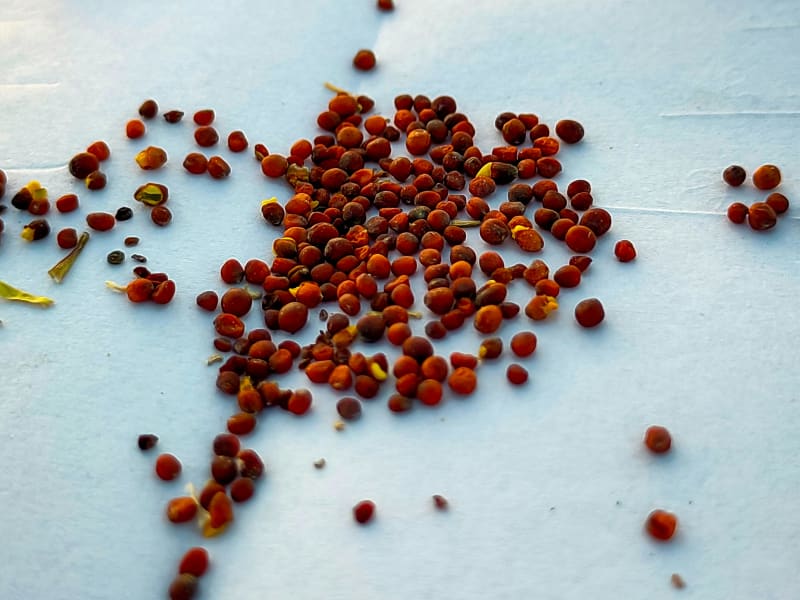
An example of a spice, which has potential health benefits, is mustard seeds. Their nutrition, applications, benefits, and safety are explained in simple terms in this manual.
April 11, 2026

Explore the fascinating world of DNA (deoxyribonucleic acid), the molecule that holds the blueprint for life. Learn about its structure, function, genes, and its vital role in health and inheritance, explained simply for Indian readers.
April 1, 2026

Discover effective, practical tips for recovering from the common cold faster. Learn about hydration, warm liquids, rest, and when to see a doctor, tailored for an Indian audience.
April 1, 2026