

Free Helpline
We are here to assist you.
Health Advisor
+91-8877772277Available 7 days a week
10:00 AM – 6:00 PM to support you with urgent concerns and guide you toward the right care.

We are here to assist you.
Health Advisor
+91-8877772277Available 7 days a week
10:00 AM – 6:00 PM to support you with urgent concerns and guide you toward the right care.
Explore the potential benefits and safety concerns of consuming spirulina during pregnancy. Learn what doctors advise about this popular superfood for expectant mothers.

Pregnancy is a time of immense joy, but it also brings a wave of new considerations, especially concerning diet and supplements. As you navigate this special journey, you might wonder about the safety and benefits of various foods and superfoods. One such superfood that often sparks curiosity is spirulina. Known for its impressive nutrient profile, spirulina is widely consumed by many for its potential health advantages. But when you're expecting, the question of 'Is it safe?' becomes paramount. This guide aims to explore what we know about spirulina and pregnancy, focusing on its potential benefits, risks, and what your doctor might advise.
Spirulina, often called blue-green algae, is a type of cyanobacteria that thrives in both fresh and saltwater. Historically, it has been a food source in various cultures. Its reputation as a superfood stems from its rich content of vitamins, minerals, antioxidants, and protein. For those not pregnant, it's generally considered safe and beneficial. However, pregnancy introduces a unique set of physiological changes and sensitivities, making the safety of any supplement a critical concern.
Spirulina boasts a remarkable nutritional makeup. It's a good source of:
These components contribute to spirulina's reputation for supporting overall health, boosting energy, and potentially aiding in various bodily functions.
Given its rich nutrient profile, spirulina might offer several benefits for expectant mothers. While research specifically on pregnant individuals is limited, the general nutritional benefits are noteworthy:
This is where the waters get a bit murky. While spirulina is generally considered safe for the general population, its safety during pregnancy has not been extensively studied in humans. This lack of robust scientific evidence is the primary reason for caution.
Why the Uncertainty?
Medical experts, like Dr. Nicole Avena-Blanchard, PhD, an assistant professor of neuroscience and author, highlight that the lack of comprehensive human studies means there isn't a firm consensus on spirulina's safety for pregnant women. Without large-scale clinical trials involving pregnant participants, it's difficult to definitively say how it affects both the mother and the developing baby.
Potential Risks and Contaminations:
A significant concern with spirulina, especially when sourced improperly, is the potential for contamination. Registered Dietitian Kari Pitts, LDN, points out two major risks:
Unborn babies are considered more vulnerable to the potential damaging effects of these contaminants than adults. Therefore, the risk associated with contaminated spirulina could be significantly higher during pregnancy.
A Common Scenario:
Imagine you're browsing health food stores or online, looking for natural ways to boost your nutrition during pregnancy. You see spirulina powder, renowned for its health benefits, and consider adding it to your smoothies. However, you recall hearing about potential risks with supplements during pregnancy and pause, unsure if this is a safe choice for your baby.
Pregnancy is not the time to experiment with new supplements without professional guidance. The developing baby is highly sensitive to everything the mother consumes. While spirulina contains beneficial nutrients, the potential risks associated with contamination and the lack of conclusive safety data mean caution is strongly advised.
What Doctors Advise:
Most healthcare providers will adopt a conservative approach regarding supplements with limited pregnancy-specific safety data. They will likely recommend that you:
You should always consult your doctor or healthcare provider before starting any new supplement during pregnancy. Specifically, if you are:
Your doctor is your best resource for personalized advice tailored to your unique pregnancy journey.
While spirulina might have potential benefits for blood sugar management, its safety and efficacy in pregnant individuals with gestational diabetes are not well-established. It's essential to discuss this with your endocrinologist or OB-GYN. They may recommend specific dietary changes or medications that are proven safe and effective for managing your condition during pregnancy.
Symptoms can vary depending on the type and amount of contaminant. For heavy metals like mercury, neurological symptoms might include tremors, vision changes, or developmental delays in a child. Microcystin poisoning primarily affects the liver, potentially causing symptoms like abdominal pain, nausea, vomiting, and jaundice. These symptoms can be severe and require immediate medical attention.
Yes, you can obtain many of the nutrients found in spirulina from other safe and well-researched sources during pregnancy. For iron, focus on lean red meat, poultry, fish, beans, and fortified cereals. For protein, include eggs, dairy products, legumes, and lean meats. Folic acid is abundant in leafy green vegetables, citrus fruits, and fortified grains. Discussing your nutritional needs with a registered dietitian can help you create a safe and effective eating plan.
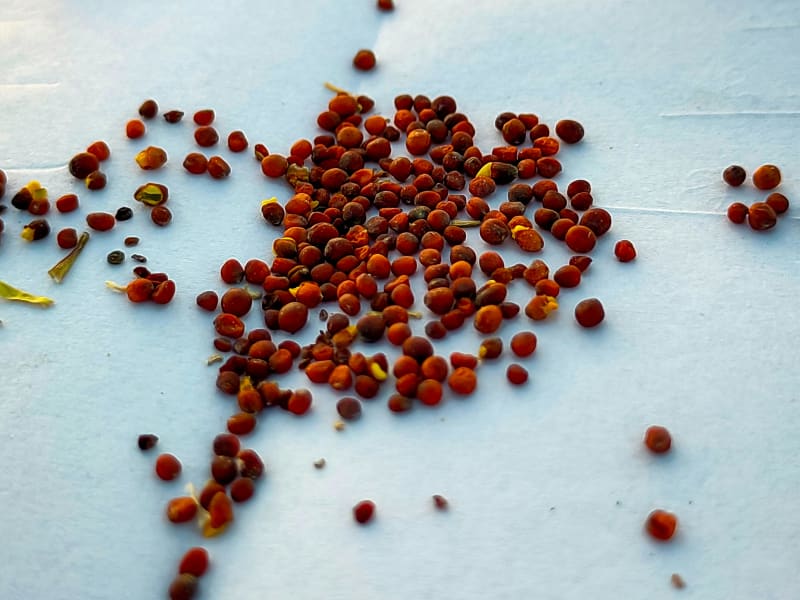
An example of a spice, which has potential health benefits, is mustard seeds. Their nutrition, applications, benefits, and safety are explained in simple terms in this manual.
April 11, 2026

Explore the fascinating world of DNA (deoxyribonucleic acid), the molecule that holds the blueprint for life. Learn about its structure, function, genes, and its vital role in health and inheritance, explained simply for Indian readers.
April 1, 2026

Discover effective, practical tips for recovering from the common cold faster. Learn about hydration, warm liquids, rest, and when to see a doctor, tailored for an Indian audience.
April 1, 2026