

Free Helpline
We are here to assist you.
Health Advisor
+91-8877772277Available 7 days a week
10:00 AM – 6:00 PM to support you with urgent concerns and guide you toward the right care.

We are here to assist you.
Health Advisor
+91-8877772277Available 7 days a week
10:00 AM – 6:00 PM to support you with urgent concerns and guide you toward the right care.
Explore how silica, a natural mineral found in foods and supplements, may help strengthen your hair, reduce breakage, and improve overall hair health. Learn about its benefits for skin and nails, dietary sources, and precautions.

Are you noticing more hair in your brush than usual? Many of us worry about thinning hair or hair loss at some point. While there are many reasons for this, exploring natural options is a common step for many Indians. One such mineral gaining attention is silica. Often called the 'beauty mineral', silica might play a role in strengthening your hair and preventing breakage. Let's explore what silica is, how it might help your hair, and what you need to know before considering it.
Silica, chemically known as silicon dioxide (SiO2), is a natural trace mineral. It's a combination of silicon and oxygen. You can find silica naturally in many foods, especially in leafy green vegetables and whole grains. Think of it as a tiny building block that's present in various plants. Besides food sources, silica is also available in supplement form, often derived from bamboo or the horsetail plant (Equisetum arvense). These supplements can come as pills, powders, or liquid extracts.
The connection between silica and hair health starts right at the root. Research suggests that silica helps deliver essential nutrients to your scalp and hair follicles. These nutrients are vital for healthy hair growth. While silica might not reverse existing hair loss, studies indicate it can significantly help in strengthening hair strands and reducing breakage. Imagine your hair feeling less brittle and more resilient – that's where silica might step in.
A study from 2007 involving 48 women with fine hair showed that after taking a small dose of silicon (10 mg) daily for 9 months, their hair strands became stronger. This suggests that consistent intake could lead to noticeable improvements in hair texture and strength.
Silica also plays an important role in the production of collagen. Collagen is the most abundant protein in your body and is essential for maintaining skin's elasticity and firmness. As we age, our natural collagen production tends to decrease. Silica is a key component that helps your body create collagen. This not only benefits your skin, making it look more youthful and reducing fine lines, but also supports the overall health of your hair follicles.
The positive effects of silica aren't limited to hair. Studies have shown that silica supplements can also improve skin health and nail strength. In one study from 2005, women with sun-damaged skin experienced improvements in their skin's texture and appearance after taking silica supplements. Similarly, silica can help make brittle nails stronger and less prone to breaking. So, while you might be looking to boost your hair, you could also be giving your skin and nails a healthy boost!
Getting enough silica is important, but many people don't consume enough through their diet alone. This is partly because silica doesn't accumulate in the body and is flushed out by the kidneys. Therefore, dietary sources and supplements are key.
When dietary intake is insufficient, supplements are a popular option. Common sources for silica supplements include:
While silica is generally considered safe, it's always wise to be cautious. Most silica supplements are not approved by the FDA, which means they haven't undergone the same rigorous testing as some other medications. Therefore, it's essential to consult with a healthcare professional before starting any new supplement, including silica.
A doctor can help you understand:
Always choose reputable brands for supplements and follow dosage instructions carefully.
If you are experiencing significant hair loss, thinning hair, or brittle hair, it's important to seek professional medical advice. While silica might offer some benefits, it's not a magic cure. Underlying medical conditions, hormonal imbalances, or nutritional deficiencies could be the root cause of your hair issues.
Consult your doctor if:
A doctor can perform necessary tests, diagnose the cause of your hair concerns, and recommend the most effective treatment plan tailored to you.
There is no definitive scientific evidence that silica can reverse or completely stop hair loss. However, studies suggest it can strengthen existing hair, reduce breakage, and improve hair thickness, which can make hair appear fuller and healthier.
Results can vary from person to person. Some studies showed noticeable improvements in hair strength after 9 months of consistent intake. Patience and consistency are key when using silica supplements.
Yes, you can increase your silica intake by eating foods rich in silica, such as whole grains (oats, barley), leafy green vegetables (spinach, kale), beans, and bananas. Drinking water filtered through sand may also contain silica, though the amount can vary.
Horsetail contains thiaminase, an enzyme that breaks down thiamine (vitamin B1). Long-term or high-dose consumption of raw horsetail can lead to thiamine deficiency. It’s best to use commercially prepared horsetail supplements or teas, which often have the thiaminase removed or inactivated, and always consult your doctor before use.
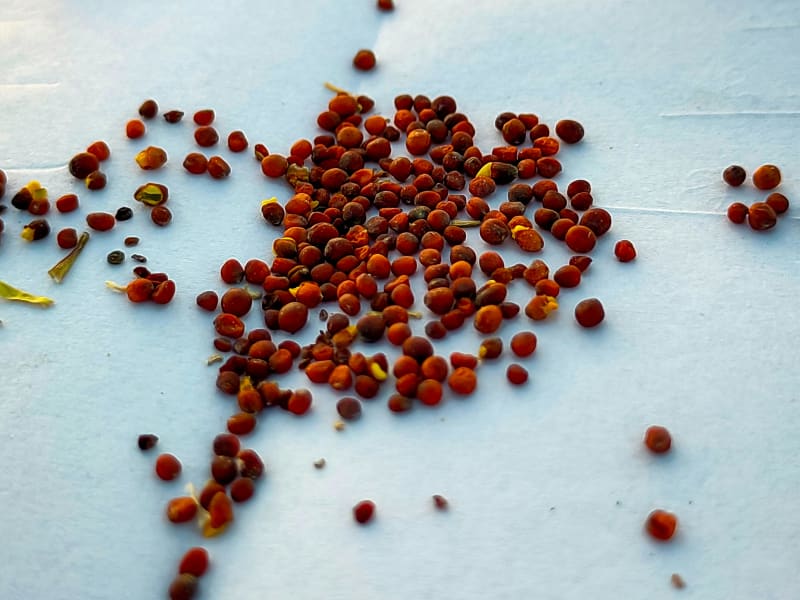
An example of a spice, which has potential health benefits, is mustard seeds. Their nutrition, applications, benefits, and safety are explained in simple terms in this manual.
April 11, 2026

Explore the fascinating world of DNA (deoxyribonucleic acid), the molecule that holds the blueprint for life. Learn about its structure, function, genes, and its vital role in health and inheritance, explained simply for Indian readers.
April 1, 2026

Discover effective, practical tips for recovering from the common cold faster. Learn about hydration, warm liquids, rest, and when to see a doctor, tailored for an Indian audience.
April 1, 2026