

Free Helpline
We are here to assist you.
Health Advisor
+91-8877772277Available 7 days a week
10:00 AM – 6:00 PM to support you with urgent concerns and guide you toward the right care.

We are here to assist you.
Health Advisor
+91-8877772277Available 7 days a week
10:00 AM – 6:00 PM to support you with urgent concerns and guide you toward the right care.
Learn how to manage psoriasis flare-ups in hot weather with practical tips on sun protection, hydration, clothing, and more, specifically for Indian readers.

Psoriasis, a chronic autoimmune condition, can bring unwelcome flare-ups, and for many, the weather plays a significant role. While you might associate extreme weather with winter chills, hot weather can be just as challenging for individuals managing psoriasis. Understanding how heat, sun, and sweat affect your skin is key to preventing uncomfortable and often painful flare-ups. This guide offers practical advice tailored for Indian readers, helping you navigate the summer months with greater ease and confidence.
The sun's rays, specifically ultraviolet (UV) radiation, are a double-edged sword for psoriasis sufferers. On one hand, controlled sun exposure can be beneficial. UV radiation is the very component used in phototherapy, a common medical treatment that helps slow the growth of skin cells, reducing the scaling and inflammation associated with psoriasis. Many people find that a little bit of sunshine can improve their skin condition. However, too much of a good thing can quickly turn detrimental. Excessive sun exposure can irritate sensitive psoriatic skin, leading to what's known as a 'sunburn flare-up,' paradoxically worsening the condition.
Several factors associated with hot weather can contribute to psoriasis flare-ups:
Navigating hot weather with psoriasis doesn't have to be a constant battle. By adopting a few key strategies, you can significantly reduce your risk of flare-ups and maintain better skin health:
Use Sunscreen Diligently: Your first line of defense is a good quality sunscreen. Look for broad-spectrum protection that shields against both UVA and UVB rays. A Sun Protection Factor (SPF) of 30 or higher is generally recommended. Apply it generously to all exposed skin 15-20 minutes before going outdoors and reapply every two hours, or more often if you're sweating or swimming. For individuals with psoriasis, choosing a sunscreen that is fragrance-free and hypoallergenic can further minimize the risk of irritation.
Understand Your Skin Type: The Fitzpatrick scale categorizes skin types based on their reaction to sun exposure. Knowing your skin type can help you gauge how long you can safely be in the sun. For instance, very fair skin (Type 1) burns very easily and requires maximum protection, while darker skin types (Type 5-6) may tolerate sun exposure slightly longer but still need protection against harmful UV rays.
Choose Lightweight, Loose-Fitting Clothing: Tight clothing can rub against the skin, causing friction that triggers flare-ups. Opt for breathable fabrics like cotton or linen. Light colours are also better as they reflect sunlight rather than absorbing it. Consider investing in sun-protective clothing, which is specifically designed with a UPF (Ultraviolet Protection Factor) rating to block UV rays.
Wear Hats and Visors: Protect your scalp, face, and neck, areas particularly prone to psoriasis, by wearing a wide-brimmed hat or a visor when you're outdoors.
Drink Plenty of Water: Hydration is paramount, especially in hot climates. Aim to drink water consistently throughout the day, even if you don't feel thirsty. Carry a water bottle with you and sip regularly. This helps maintain skin hydration from the inside out, making it more resilient to irritants.
Rinse Off After Sweating: If you've been sweating, try to rinse your skin with lukewarm or cool water as soon as possible. This helps remove sweat and salt residue that can irritate your skin. Pat your skin dry gently with a soft towel; avoid rubbing.
Use Cooling Measures: Taking cool showers or baths can help lower your body temperature and soothe irritated skin. You can also use a portable fan or seek out air-conditioned environments during the hottest parts of the day.
Avoid Peak Sun Hours: The sun is strongest between 10 a.m. and 4 p.m. If possible, plan your outdoor activities for the cooler morning or late afternoon hours. If you must be out during peak times, seek shade whenever possible.
Consider Priya, a 35-year-old software engineer living in Mumbai, who has moderate plaque psoriasis. During the monsoon season, her skin usually feels better. However, as the hot summer months arrive, she notices increased redness and itching, especially on her arms and legs. She realizes her habit of long midday walks and forgetting to reapply sunscreen is likely the culprit. This year, she decides to switch her walks to early mornings, diligently applies a high-SPF sunscreen before leaving home, and keeps a water bottle handy, noticing a significant reduction in her flare-ups.
While these tips can help manage psoriasis in hot weather, it's essential to know when to seek professional medical advice. Consult your dermatologist if:
Your doctor can assess your condition, adjust your treatment plan if necessary, and provide personalized advice for managing psoriasis in your specific climate and circumstances.
Yes, controlled exposure to natural sunlight and artificial UV light (phototherapy) can help treat psoriasis by slowing skin cell growth and reducing inflammation. However, too much sun can cause sunburn and trigger flare-ups.
Lightweight, loose-fitting clothing made from breathable natural fabrics like cotton or linen is ideal. Sun-protective clothing with a UPF rating is also beneficial. Avoid tight garments that can cause friction.
There's no single magic number, but aim for at least 8-10 glasses (around 2-2.5 liters) of water daily, and more if you are very active or sweating heavily. Listen to your body; if you feel thirsty, drink more.
Some antiperspirants contain ingredients like aluminum compounds that can sometimes irritate sensitive skin, including psoriatic skin. If you notice your psoriasis worsening after using an antiperspirant, try switching to a fragrance-free, hypoallergenic deodorant or an antiperspirant specifically designed for sensitive skin.
Remember, managing psoriasis is a journey. By understanding the triggers and implementing these practical strategies, you can enjoy the summer months more comfortably and maintain healthier skin. Always consult with your healthcare provider for personalized medical advice.
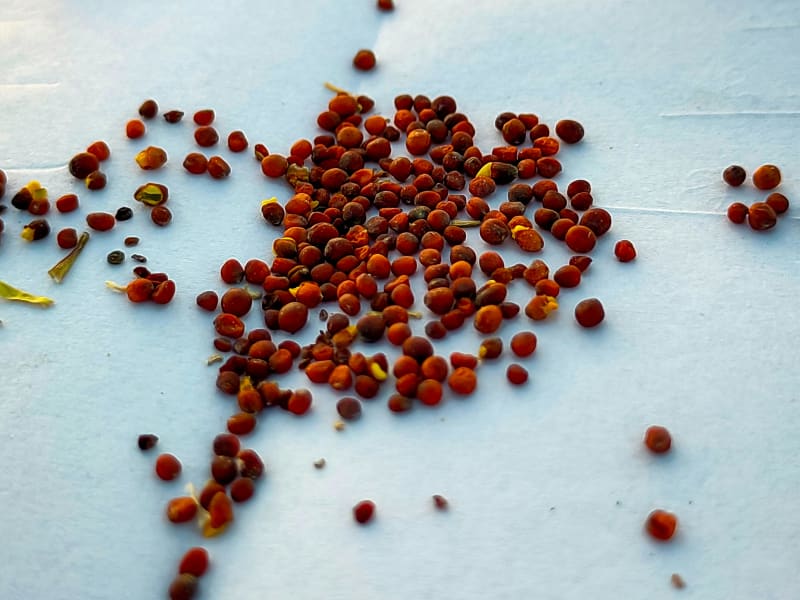
An example of a spice, which has potential health benefits, is mustard seeds. Their nutrition, applications, benefits, and safety are explained in simple terms in this manual.
April 11, 2026

Explore the fascinating world of DNA (deoxyribonucleic acid), the molecule that holds the blueprint for life. Learn about its structure, function, genes, and its vital role in health and inheritance, explained simply for Indian readers.
April 1, 2026

Discover effective, practical tips for recovering from the common cold faster. Learn about hydration, warm liquids, rest, and when to see a doctor, tailored for an Indian audience.
April 1, 2026