

Free Helpline
We are here to assist you.
Health Advisor
+91-8877772277Available 7 days a week
10:00 AM – 6:00 PM to support you with urgent concerns and guide you toward the right care.

We are here to assist you.
Health Advisor
+91-8877772277Available 7 days a week
10:00 AM – 6:00 PM to support you with urgent concerns and guide you toward the right care.
Black women face higher risks for type 2 diabetes. Learn about prevention strategies, symptoms, diagnosis, and lifestyle changes to reduce your risk. Empower yourself with knowledge and take control of your health.

Type 2 diabetes is a chronic condition that affects millions worldwide, and unfortunately, Black women face a disproportionately higher risk. This isn't about blame; it's about understanding the factors contributing to this disparity and empowering ourselves with knowledge and actionable steps for prevention. Many factors, including genetics, lifestyle, and socioeconomic conditions, can play a role. However, the good news is that type 2 diabetes is largely preventable, and even reversible in its earlier stages (prediabetes) through conscious lifestyle choices.
This guide is designed to offer practical, accessible advice tailored for our community. We'll explore the signs, understand the risks, and, most importantly, focus on what you can do today to protect your health for tomorrow. Remember, taking care of your health is an act of self-love and a vital investment in your future and the well-being of your family.
It's a question many of us have asked. Several factors contribute to the higher incidence of type 2 diabetes in Black women:
These factors often interact, making prevention a multifaceted effort. It's not just about individual choices but also about community support and systemic changes.
Before we dive into prevention, let's clarify what we're talking about:
The complications of diabetes can be severe and life-threatening. Early detection and prevention are therefore paramount.
Sometimes, type 2 diabetes develops slowly, and symptoms can be mild or even absent, especially in the early stages. This is why regular check-ups are so important. However, if you experience any of the following, it's worth discussing with your doctor:
It’s important to remember that having one or more of these symptoms doesn't automatically mean you have diabetes, but it warrants a conversation with a healthcare professional.
Diagnosis is typically done through simple blood tests performed by your doctor. These tests are usually part of your regular physical examination.
Don't hesitate to ask your doctor about your numbers during your next visit. Knowing your numbers is the first step to taking control of your health.
The most empowering aspect of type 2 diabetes is that it is largely preventable. Here’s how you can take charge:
What you eat has a direct impact on your blood sugar levels and overall health. Focus on:
Scenario: Maya noticed her energy levels dipping after lunch, often followed by a craving for something sweet. She started swapping her usual sugary chai for plain green tea and added a handful of almonds to her afternoon snack, finding her energy more stable and her cravings reduced.
Aim for at least 150 minutes of moderate-intensity aerobic activity per week. This could be:
Incorporate strength training exercises at least two days a week to build muscle, which helps improve insulin sensitivity.
Losing even a small amount of weight (5-7% of your body weight) can significantly reduce your risk of developing type 2 diabetes if you are overweight or obese. Focus on sustainable changes rather than crash diets.
Adequate sleep (7-9 hours per night) is vital for hormone regulation, including those that control appetite and blood sugar. Poor sleep can negatively impact your metabolism.
Chronic stress can affect blood sugar levels. Find healthy ways to cope, such as deep breathing exercises, meditation, yoga, spending time in nature, or talking with a friend or therapist.
Drinking plenty of water throughout the day helps your body function optimally and can also help manage hunger.
It's crucial to have regular check-ups with your primary care provider, especially if you have a family history of diabetes or any of the risk factors mentioned earlier. Don't wait for symptoms to appear. Proactive screening is key.
Specifically, talk to your doctor if:
Your doctor can perform the necessary tests and provide personalized guidance.
Programs like the Black Women’s Health Imperative’s CYL2 (Change Your Life 2) initiative highlight the power of community support. These programs offer coaching and education to help individuals make lasting lifestyle changes. Look for local or online support groups, wellness challenges, or community health programs that can provide encouragement and accountability.
While type 2 diabetes is a chronic condition, significant lifestyle changes can lead to remission, especially in the prediabetes stage or early stages of type 2 diabetes. This means blood sugar levels return to normal without medication. However, it requires ongoing commitment to healthy habits, as the condition can return if lifestyle changes are not maintained.
Small, consistent efforts make a big difference. Try incorporating activity into your daily routine: take the stairs instead of the elevator, walk during your lunch break, do a few squats while waiting for water to boil, or dedicate 15-20 minutes each morning or evening to a brisk walk or home workout. Enlist family members to join you!
No, not all carbohydrates are bad. Whole, unprocessed carbohydrates like those found in vegetables, fruits, and whole grains provide essential nutrients and fiber. The key is to focus on these complex carbohydrates and limit refined carbohydrates found in white bread, sugary snacks, and processed foods.
Explore local resources like farmers' markets that might offer discounts, community-supported agriculture (CSA) programs, or food assistance programs. Focus on affordable staples like beans, lentils, rice, seasonal vegetables, and eggs. Planning meals and cooking at home can also be more cost-effective than eating out.
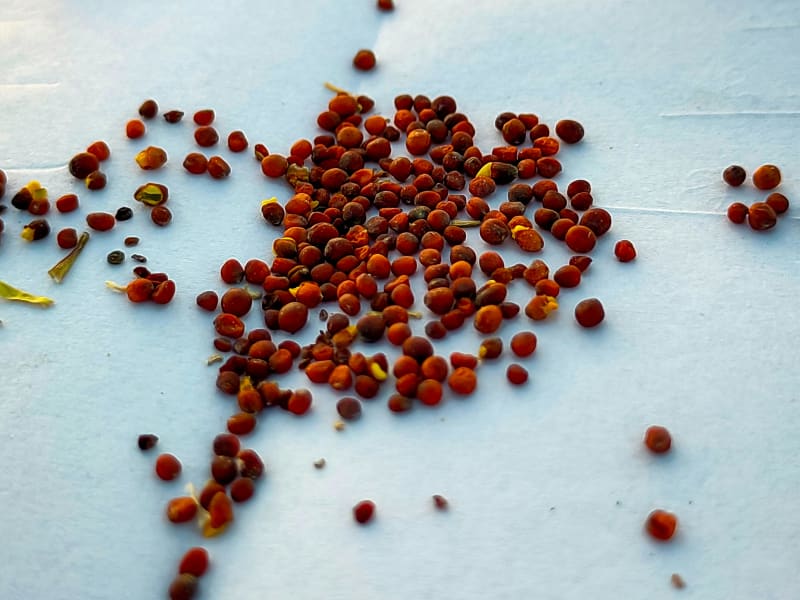
An example of a spice, which has potential health benefits, is mustard seeds. Their nutrition, applications, benefits, and safety are explained in simple terms in this manual.
April 11, 2026

Explore the fascinating world of DNA (deoxyribonucleic acid), the molecule that holds the blueprint for life. Learn about its structure, function, genes, and its vital role in health and inheritance, explained simply for Indian readers.
April 1, 2026

Discover effective, practical tips for recovering from the common cold faster. Learn about hydration, warm liquids, rest, and when to see a doctor, tailored for an Indian audience.
April 1, 2026