

Free Helpline
We are here to assist you.
Health Advisor
+91-8877772277Available 7 days a week
10:00 AM – 6:00 PM to support you with urgent concerns and guide you toward the right care.

We are here to assist you.
Health Advisor
+91-8877772277Available 7 days a week
10:00 AM – 6:00 PM to support you with urgent concerns and guide you toward the right care.
Understand the costs of insulin, pumps, pens, and syringes in India. Explore strategies to manage expenses and ensure affordable access to life-saving diabetes medication.

Living with diabetes, whether type 1 or type 2, often means relying on insulin to manage blood sugar levels and maintain a healthy life. For many in India, the cost of this essential medication, along with the devices used to administer it, can be a significant worry. This guide aims to demystify the expenses associated with insulin pumps, pens, and syringes, offering practical insights and potential solutions for managing these costs.
Insulin is a life-saving hormone. For individuals with type 1 diabetes, it's a non-negotiable necessity. Many people with type 2 diabetes also find insulin therapy indispensable as their condition progresses. However, the journey of managing diabetes extends beyond just taking the medicine; it involves understanding the costs of delivery methods too.
Insulin can be administered in several ways, and each has its own price point and set of advantages:
The price of insulin and its delivery devices can fluctuate based on several factors:
The cost of a vial of insulin can range from a few hundred rupees to over a thousand rupees, depending on the brand and type. For instance, a common brand of rapid-acting insulin might cost around ₹700-₹1,000 per 10ml vial. Syringes are relatively inexpensive, with a box of 100 usually costing between ₹150 to ₹300. If you use one vial every two weeks, the annual cost for insulin alone can be substantial.
Insulin pens offer convenience but come at a higher price. A single pen typically contains 3ml of insulin. A box containing 5 such pens can cost anywhere from ₹2,000 to ₹5,000 or more, again, depending on the insulin type and brand. For someone needing multiple boxes per month, the cost can easily climb into tens of thousands of rupees annually.
Insulin pumps represent the most significant upfront investment. The device itself can cost anywhere from ₹50,000 to over ₹2,00,000. Additionally, there are ongoing costs for pump supplies like infusion sets, reservoirs, and cartridges, which can add several thousand rupees to the monthly expenses. While pumps offer advanced control, their high cost makes them inaccessible for many in India.
Ramesh, a 45-year-old software engineer in Delhi, was recently diagnosed with type 2 diabetes and prescribed insulin. His doctor recommended starting with vials and syringes due to budget constraints. However, after a few months, Ramesh found the injections inconvenient and started exploring insulin pens. He was surprised to find that a month's supply of pens nearly doubled his monthly medication expenses, putting a strain on his family's finances. He is now looking into discount programs offered by some pharmaceutical companies.
The high cost of insulin and delivery devices can feel overwhelming, but several strategies can help manage these expenses:
Your doctor is your primary ally. They can help you understand:
Don't hesitate to express your financial concerns. Doctors can often suggest more budget-friendly options or provide samples if available.
As patents expire, generic versions of insulin become available. These biosimilar insulins can be significantly cheaper than their branded counterparts while offering the same therapeutic benefits. Ask your doctor and pharmacist about these options.
Many pharmaceutical companies offer discount cards or coupon programs for their insulin products. These can significantly reduce your out-of-pocket costs, sometimes bringing them down to a fixed, more manageable amount per month or per vial/pen. Check the websites of the insulin manufacturers or ask your pharmacist.
Prices for the same insulin vial or pen can differ between pharmacies. It pays to shop around. Larger hospital pharmacies, chain pharmacies, and even some independent local pharmacies might offer competitive pricing. Online pharmacies can also be an option, but ensure they are reputable and licensed.
India has several government schemes like the Pradhan Mantri Bhartiya Janaushadhi Pariyojana (PMBJP) which aims to provide quality generic medicines at affordable prices. While not all insulins might be available under these schemes, it's worth inquiring at government-run pharmacies or hospitals. Also, check for state-specific health initiatives.
If you have a stable prescription and proper storage facilities, buying in larger quantities when discounts are available might seem appealing. However, be cautious about expiry dates and storage conditions to avoid wastage.
While individual actions are important, systemic change is also needed. Support organizations and advocacy groups working to make insulin more affordable and accessible in India. Raising awareness about the issue can contribute to policy changes.
It's essential to have an open conversation with your healthcare provider if:
Your doctor can help you find a balance between effective diabetes management and affordability. They may adjust your treatment plan, suggest alternative medications, or guide you to resources that can help with costs.
The cost of insulin can vary greatly. While some branded insulins and advanced delivery systems like pumps can be very expensive, there are often more affordable generic options, older formulations, and discount programs that can bring the cost down.
Older insulins like Regular and NPH are still available and are generally cheaper. However, they are not as fast-acting or as precisely formulated as modern insulins. Your doctor will determine if these are suitable for your specific needs and if they can provide adequate blood sugar control without increased risks.
Generally, yes. While pens offer convenience and precision, the cost of the pen device itself, in addition to the insulin it contains, often makes them more expensive than purchasing separate vials and syringes.
You can look for generic insulin options, inquire about manufacturer discount programs, compare prices at different pharmacies (including government-run Janaushadhi stores), and ask your doctor about any available subsidies or alternative treatments.
Never stop taking insulin without consulting your doctor. Speak to your doctor immediately about your financial difficulties. They can help you explore cheaper alternatives, connect you with patient assistance programs, or adjust your treatment plan. Many NGOs and patient support groups also offer guidance.
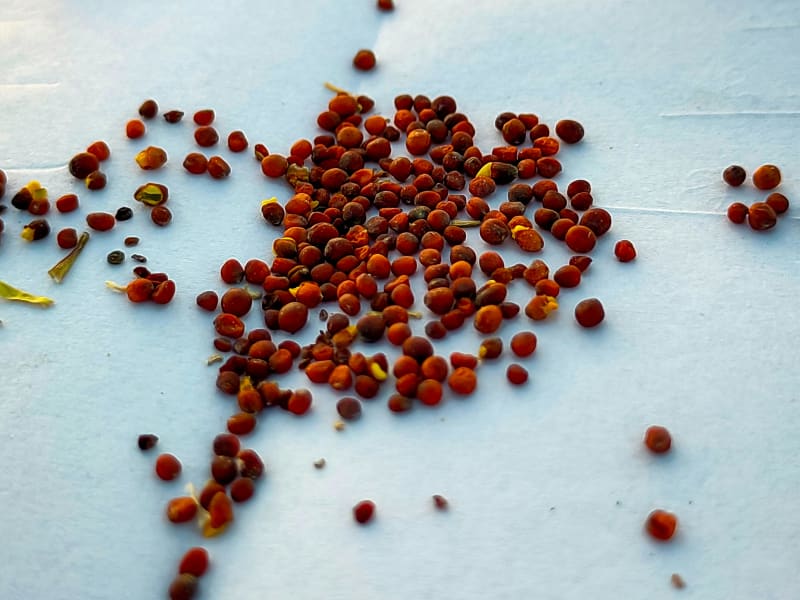
An example of a spice, which has potential health benefits, is mustard seeds. Their nutrition, applications, benefits, and safety are explained in simple terms in this manual.
April 11, 2026

Explore the fascinating world of DNA (deoxyribonucleic acid), the molecule that holds the blueprint for life. Learn about its structure, function, genes, and its vital role in health and inheritance, explained simply for Indian readers.
April 1, 2026

Discover effective, practical tips for recovering from the common cold faster. Learn about hydration, warm liquids, rest, and when to see a doctor, tailored for an Indian audience.
April 1, 2026