

Free Helpline
We are here to assist you.
Health Advisor
+91-8877772277Available 7 days a week
10:00 AM – 6:00 PM to support you with urgent concerns and guide you toward the right care.

We are here to assist you.
Health Advisor
+91-8877772277Available 7 days a week
10:00 AM – 6:00 PM to support you with urgent concerns and guide you toward the right care.
Living with Inflammatory Bowel Disease (IBD) can be challenging, especially during flare-ups. Discover practical self-care strategies, the importance of a support system, and when to seek medical help to navigate these difficult periods with confidence.
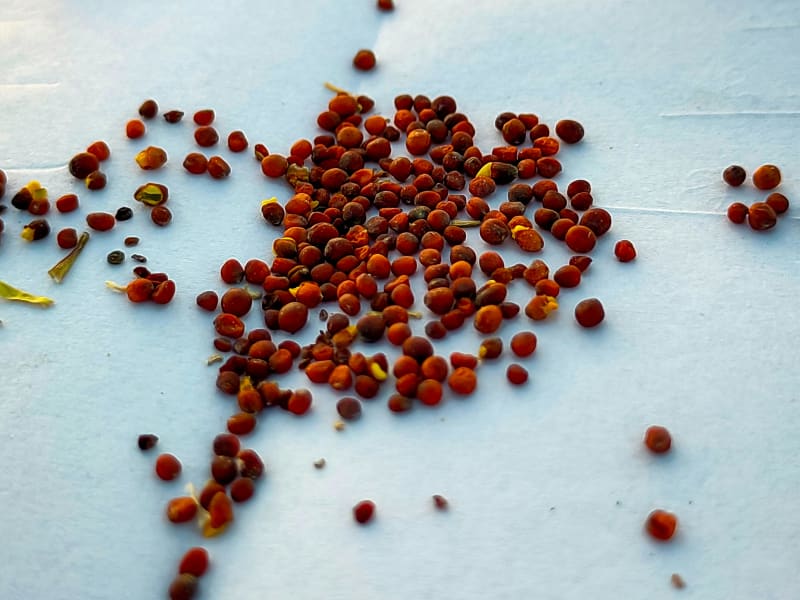
An example of a spice, which has potential health benefits, is mustard seeds. Their nutrition, applications, benefits, and safety are explained in simple terms in this manual.
April 11, 2026

Explore the fascinating world of DNA (deoxyribonucleic acid), the molecule that holds the blueprint for life. Learn about its structure, function, genes, and its vital role in health and inheritance, explained simply for Indian readers.
April 1, 2026


Inflammatory Bowel Disease (IBD), encompassing conditions like Crohn's disease and ulcerative colitis, can significantly impact daily life. These chronic digestive system inflammations, while manageable, are not curable and often involve periods of remission punctuated by distressing flare-ups. A flare-up can bring about a host of uncomfortable symptoms, including increased toilet frequency, rectal bleeding, and abdominal pain. Understanding how to navigate these challenging times is crucial for managing your health and well-being. This guide offers practical strategies and insights for supporting yourself during an IBD flare-up, drawing on expert advice and real-life experiences.
IBD is a lifelong condition that affects the digestive tract. Ulcerative colitis primarily targets the large intestine, while Crohn's disease can affect any part of the digestive system from the mouth to the anus. Flare-ups are periods when symptoms become more pronounced and disruptive. They can be triggered by various factors, including stress, diet, or infections, though sometimes the cause remains unclear. Recognizing the early signs of a flare-up is the first step towards managing it effectively.
While individual experiences vary, common indicators of an IBD flare-up include:
It's important to listen to your body. You may have a good sense of whether you're experiencing a mild flare that can be managed with rest or if your symptoms are severe enough to warrant immediate medical attention.
When you find yourself in the midst of an IBD flare-up, focusing on self-care and seeking appropriate support can make a significant difference. Here are several strategies that can help:
Scenario: Priya, a 30-year-old marketing executive with Crohn's disease, felt a familiar wave of fatigue and cramping wash over her. She knew a flare-up was imminent. Instead of trying to power through, she called her sister.
Talking to people you trust about what you're experiencing is incredibly important. Don't hesitate to tell your family and close friends about your symptoms and how the flare-up is affecting you. Honesty allows them to understand your situation better and offer support in ways that are most helpful. Perhaps you need someone to bring you meals, help with household chores, or simply sit with you. Clearly communicating your needs ensures you receive the assistance you require to get through this period. They can also provide emotional comfort and companionship, which are vital during difficult times.
Your body needs time to heal and recuperate during a flare-up. Pushing yourself to work or engage in strenuous activities can prolong your recovery and worsen your symptoms. If possible, take time off from work. This allows you to focus entirely on your health without the added stress of professional responsibilities. Speak with your doctor about obtaining a sick note to cover your absence. Reducing your workload and stress levels is paramount for recovery.
Surround yourself with things that bring you comfort and peace. This might include reading a good book, listening to soothing music, watching a favorite movie, or engaging in gentle hobbies. Creating a calming environment can help reduce stress and anxiety, which often exacerbate IBD symptoms. Even small moments of enjoyment can contribute to your overall sense of well-being during a challenging time. Think about what activities genuinely help you relax and make time for them.
During a flare-up, maintaining hydration is essential, especially if you are experiencing diarrhea. Sip on water, clear broths, or electrolyte-rich fluids throughout the day. When it comes to food, focus on easily digestible options. Your doctor or a registered dietitian can provide specific dietary recommendations tailored to your condition and current symptoms. Generally, bland, low-fiber foods are often better tolerated during a flare. Avoid trigger foods that you know can worsen your symptoms.
While intense exercise might be too much during a flare, gentle movement like short, slow walks can sometimes be beneficial for circulation and mood. Listen carefully to your body; if any activity causes pain or discomfort, stop immediately. The goal is not to exert yourself but to gently encourage bodily functions and reduce feelings of stiffness.
Stress is a known trigger and aggravator for IBD flare-ups. Incorporate stress-management techniques into your routine. This could include deep breathing exercises, mindfulness meditation, or simply spending quiet time in nature. Finding healthy ways to cope with stress can significantly impact the severity and duration of your flare-up.
While self-care is vital, it's equally important to know when to seek professional medical help. Consult your doctor promptly if you experience:
In cases of severe symptoms, do not hesitate to go to the nearest emergency room. A medical professional can assess the severity of your flare, adjust your medication, or recommend further diagnostic tests to ensure you receive the appropriate treatment. Regular communication with your gastroenterologist is key to managing IBD effectively.
Living with a chronic condition like IBD can feel isolating. Building and nurturing a strong support system is invaluable. This includes not only friends and family but also support groups for individuals with IBD. Connecting with others who share similar experiences can provide a sense of community, understanding, and shared coping strategies. Remember, you are not alone in this journey.
Ulcerative colitis affects only the colon (large intestine), while Crohn's disease can affect any part of the digestive tract from the mouth to the anus and can involve the full thickness of the bowel wall.
Dietary needs change during a flare-up. It's often recommended to stick to bland, easily digestible foods and avoid known triggers. Consulting a doctor or dietitian for personalized advice is best.
Currently, IBD is a chronic condition that cannot be cured, but it can be effectively managed with medication, lifestyle changes, and medical supervision.
While not all flare-ups can be prevented, managing stress, adhering to your prescribed medication, maintaining a healthy diet, and avoiding triggers can help reduce their frequency and severity.
Discover effective, practical tips for recovering from the common cold faster. Learn about hydration, warm liquids, rest, and when to see a doctor, tailored for an Indian audience.
April 1, 2026