

Free Helpline
We are here to assist you.
Health Advisor
+91-8877772277Available 7 days a week
10:00 AM – 6:00 PM to support you with urgent concerns and guide you toward the right care.

We are here to assist you.
Health Advisor
+91-8877772277Available 7 days a week
10:00 AM – 6:00 PM to support you with urgent concerns and guide you toward the right care.
Learn about melamine in dishware: its uses, safety concerns, and how to use it wisely in your kitchen for Indian households.

You might have seen those colourful, lightweight, and durable plastic dishes and wondered about their safety. Often, they are made with a compound called melamine. While it makes for great picnicware and everyday dinnerware, there's a lingering question for many: Is melamine safe to use? Let's dive into what melamine is, how it's used, and the potential concerns, especially for us here in India, where we love our family meals and outdoor gatherings.
Melamine is essentially a nitrogen-rich organic compound. Manufacturers use it when creating certain types of plastic, particularly those known for their durability and heat resistance. This is why melamine resin becomes a popular choice for making reusable plastic dishware, utensils, and even some kitchen countertops. Think about those sturdy plates you take camping or the shatter-resistant bowls you use for everyday meals – there's a good chance melamine is involved.
The process involves heating melamine with formaldehyde to create a plastic material. This material is then molded under high heat and pressure into the shapes of plates, bowls, cups, and serving utensils. The resulting product is lightweight, tough, and resistant to stains and breakage, making it a practical alternative to glass or ceramic, especially for families with young children or for outdoor use.
This is where the main concern arises. While melamine itself isn't inherently toxic in small amounts, the worry is that it can migrate, or 'leach,' from the dishware into the food and drinks we consume. This migration is more likely to happen when the melamine dishes are exposed to high temperatures or acidic foods.
Imagine you're packing a picnic lunch. You fill a melamine container with your favourite tomato chutney and some idlis. The acidity of the chutney, combined with being stored for a while, could potentially cause a tiny amount of melamine to transfer into the food. Similarly, serving a hot, spicy sambar in a melamine bowl for an extended period might also increase the risk.
The Food and Drug Administration (FDA) in the United States has studied this. They found that acidic foods, like those made with tomatoes or citrus fruits, showed higher levels of melamine migration compared to non-acidic foods.
Globally, regulatory bodies like the FDA have set guidelines regarding melamine safety. They have established a 'tolerable daily intake' (TDI) for melamine. For instance, the FDA's TDI is set at 0.063 milligrams per kilogram of body weight per day. This means that consuming an amount of melamine below this level is considered safe.
Studies have shown that even when hot food is served in melamine bowls, the amount of melamine that leaches into the food is generally very small – often thousands of times lower than the level considered to be toxic. The FDA considers the use of melamine plastic tableware, when used as intended, to be safe.
It's important to distinguish melamine plastic from other types of plastics. Not all plastics are created equal, and some are definitely not meant for food contact or high temperatures. Melamine is a specific type of thermosetting plastic known for its durability. Other plastics might be more prone to breaking down or leaching chemicals, especially under heat.
While generally considered safe for everyday use, there are specific situations where caution is advised:
Most people do not notice early warning signs right away. That is common. A simple symptom diary, basic routine checks, and timely follow-up visits can prevent small problems from becoming serious.
If you are already on treatment, stay consistent with medicines and lifestyle advice. If your symptoms change, do not guess. Check with a qualified doctor and update your plan early.
Write down symptoms, triggers, and timing for a few days.
Carry old prescriptions and test reports to your consultation.
Ask clearly about side effects, red-flag signs, and follow-up dates.
Seek urgent care for severe pain, breathing trouble, bleeding, fainting, or sudden worsening.
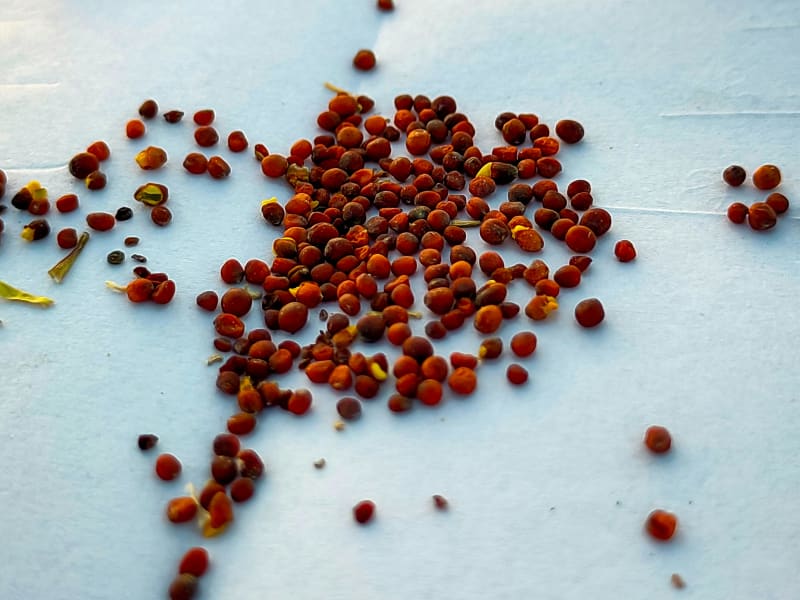
An example of a spice, which has potential health benefits, is mustard seeds. Their nutrition, applications, benefits, and safety are explained in simple terms in this manual.
April 11, 2026

Explore the fascinating world of DNA (deoxyribonucleic acid), the molecule that holds the blueprint for life. Learn about its structure, function, genes, and its vital role in health and inheritance, explained simply for Indian readers.
April 1, 2026

Discover effective, practical tips for recovering from the common cold faster. Learn about hydration, warm liquids, rest, and when to see a doctor, tailored for an Indian audience.
April 1, 2026