

Free Helpline
We are here to assist you.
Health Advisor
+91-8877772277Available 7 days a week
10:00 AM – 6:00 PM to support you with urgent concerns and guide you toward the right care.

We are here to assist you.
Health Advisor
+91-8877772277Available 7 days a week
10:00 AM – 6:00 PM to support you with urgent concerns and guide you toward the right care.
Explore the risks and potential (though limited) benefits of eating raw beef. Learn about foodborne illnesses like E. coli and Salmonella, understand safety precautions, and know when to seek medical help. Discover why cooking beef thoroughly is the safest option.

The idea of eating raw beef might conjure images of steak tartare or carpaccio, dishes enjoyed by some for their unique texture and flavour. However, before you consider adding raw beef to your diet, it's essential to understand the potential risks involved. While some cultures have traditions involving the consumption of raw meat, modern food safety practices strongly advise against it due to the significant health hazards it presents.
Raw beef refers to beef that has not been cooked to an internal temperature sufficient to kill harmful bacteria and other pathogens. This includes beef used in dishes like steak tartare, carpaccio, or even ground beef that is consumed without cooking. The preparation of these dishes often involves finely chopping or slicing the beef, and sometimes marinating it to enhance flavour. However, these processes do not eliminate the inherent risks associated with consuming raw animal products.
The primary concern with consuming raw beef is the risk of foodborne illnesses caused by bacteria, viruses, and parasites. Even the freshest-looking beef can harbour dangerous microorganisms. Here are some of the most common culprits:
It's important to remember that even visually inspecting the meat or smelling it won't tell you if it's contaminated. These microorganisms are often odourless and tasteless.
Proponents of eating raw beef sometimes suggest that it retains more nutrients than cooked beef. However, the scientific evidence supporting significant nutritional advantages is limited and often outweighed by the risks. While some vitamins, like certain B vitamins, might be slightly more sensitive to heat, the overall nutritional profile of beef is largely preserved through proper cooking. Furthermore, the potential for nutrient loss through cooking is minimal compared to the severe health consequences of foodborne illness.
Some traditional diets or culinary practices may include raw meat. However, these practices often involve specific preparation methods, sourcing from trusted suppliers, or a higher tolerance for risk within those communities. In a modern context, especially with global food supply chains, the risks are amplified.
Given the significant risks, medical professionals and food safety experts strongly advise against consuming raw beef. However, if you choose to do so despite these warnings, taking extreme precautions is paramount:
It is crucial to reiterate that these measures do not guarantee safety. The only foolproof way to ensure beef is safe to eat is to cook it thoroughly.
If you experience symptoms of foodborne illness after consuming raw or undercooked beef, seek medical attention immediately. Symptoms to watch for include:
Early diagnosis and treatment can help prevent serious complications, especially from infections like HUS caused by E. coli.
The safest way to enjoy beef is to cook it to the recommended internal temperatures. This process effectively kills harmful bacteria and parasites, making the meat safe for consumption.
Using a food thermometer is the most reliable way to ensure your beef reaches a safe internal temperature.
Yes, you can get seriously sick from eating raw beef. It can contain harmful bacteria like E. coli, Salmonella, and Listeria, as well as parasites, which can cause foodborne illnesses ranging from mild discomfort to life-threatening conditions.
Steak tartare is made with raw beef and carries inherent risks of foodborne illness. While reputable restaurants take precautions, the risk is never zero. It is generally not considered safe by public health standards.
Symptoms can include severe abdominal pain, bloody diarrhoea, vomiting, fever, nausea, and dehydration. The onset of symptoms can vary depending on the pathogen involved, typically appearing within hours to days after consumption.
Freezing can kill some parasites, but it does not reliably kill all harmful bacteria. Therefore, even frozen raw beef can still pose a significant risk if consumed.
The safest way to eat beef is to cook it thoroughly to the recommended internal temperatures to kill harmful microorganisms. Using a food thermometer is recommended for accuracy.
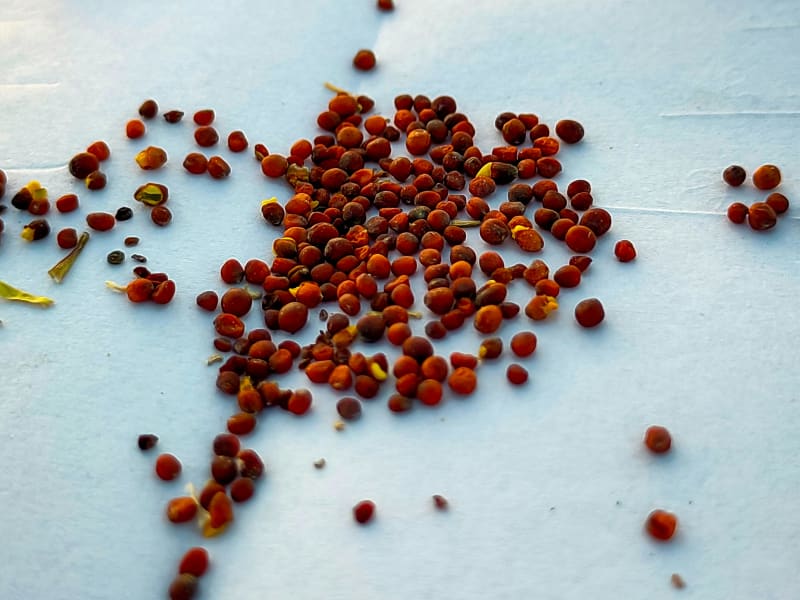
An example of a spice, which has potential health benefits, is mustard seeds. Their nutrition, applications, benefits, and safety are explained in simple terms in this manual.
April 11, 2026

Explore the fascinating world of DNA (deoxyribonucleic acid), the molecule that holds the blueprint for life. Learn about its structure, function, genes, and its vital role in health and inheritance, explained simply for Indian readers.
April 1, 2026

Discover effective, practical tips for recovering from the common cold faster. Learn about hydration, warm liquids, rest, and when to see a doctor, tailored for an Indian audience.
April 1, 2026