

Free Helpline
We are here to assist you.
Health Advisor
+91-8877772277Available 7 days a week
10:00 AM – 6:00 PM to support you with urgent concerns and guide you toward the right care.

We are here to assist you.
Health Advisor
+91-8877772277Available 7 days a week
10:00 AM – 6:00 PM to support you with urgent concerns and guide you toward the right care.
Exploring the potential benefits and risks of intermittent fasting for managing psoriasis. Learn what the science says and if it's right for you.

Psoriasis, a chronic autoimmune condition, affects millions worldwide, causing itchy, scaly patches on the skin. While there's no cure, various treatments and lifestyle adjustments can help manage its symptoms. In recent years, intermittent fasting (IF) has emerged as a popular dietary approach, not just for weight loss but also for its potential health benefits. But can this eating pattern help with psoriasis? Let's explore the current research, potential benefits, risks, and what you should consider before trying intermittent fasting for psoriasis.
Intermittent fasting isn't about what you eat, but when you eat. It’s an eating pattern that cycles between periods of voluntary fasting and non-fasting. The most common methods include:
The core idea is to give your body extended breaks from digesting food, which proponents believe can lead to various health improvements, including metabolic changes and weight loss.
The connection between diet and psoriasis is a growing area of research. Studies suggest that certain dietary patterns and weight loss can significantly improve psoriasis symptoms. This is because psoriasis is an inflammatory condition, and inflammation plays a key role in its development and severity. Many dietary changes that lead to weight loss also help reduce inflammation in the body.
Research specifically on intermittent fasting and psoriasis is still quite limited. However, some studies offer a glimpse into its potential:
It’s important to understand that much of the current research is observational or involves small sample sizes. More robust, controlled studies are needed to definitively conclude whether intermittent fasting directly benefits psoriasis.
While IF shows some promise, it’s not without its risks, especially for individuals with chronic conditions like psoriasis. The evidence for its direct benefit on psoriasis is weak, and potential downsides need careful consideration:
Intermittent fasting is not suitable for everyone. Certain individuals should exercise extreme caution or avoid it altogether:
A Real-Life Scenario: Priya, a 35-year-old marketing manager, has moderate plaque psoriasis and has been struggling with weight gain. She heard about intermittent fasting and decided to try the 16/8 method, hoping it would clear her skin and help her shed a few kilos. However, after a week, she felt constantly tired, irritable, and found herself overeating unhealthy snacks during her eating window, which made her psoriasis feel worse. She realised that IF alone wasn't the answer and that she needed a more balanced approach.
Before making significant changes to your eating habits, especially if you have a chronic condition like psoriasis, consulting a healthcare professional is paramount. Here’s why and when you should seek advice:
What to do next: If you are considering intermittent fasting for psoriasis, schedule an appointment with your dermatologist or a registered dietitian. Discuss your psoriasis symptoms, your interest in IF, and any concerns you might have. They can provide evidence-based advice tailored to your specific needs and health profile.
No, intermittent fasting is not safe for everyone with psoriasis. Individuals with a history of eating disorders, certain medical conditions like diabetes, or those who are pregnant or breastfeeding should avoid it or consult their doctor very carefully.
No, intermittent fasting is not a cure for psoriasis. While some studies suggest it might help manage symptoms, it does not eliminate the condition. It should be considered a potential complementary lifestyle change, not a standalone treatment.
Common side effects can include headaches, fatigue, dizziness, irritability, and constipation. More serious risks include hypoglycemia and disordered eating patterns.
Research is limited, but studies that have shown potential benefits often involve calorie restriction or are short-term fasts. It is best to discuss the most suitable method with a healthcare professional.
Incorporating foods like fatty fish (salmon, mackerel), berries, leafy greens (spinach, kale), nuts, seeds, and olive oil can help reduce inflammation. These can be part of a balanced diet during your eating windows.
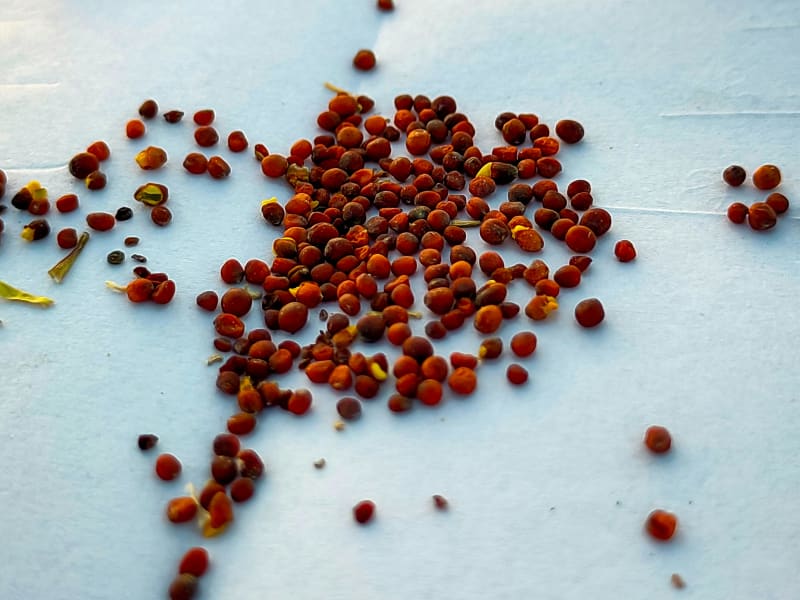
An example of a spice, which has potential health benefits, is mustard seeds. Their nutrition, applications, benefits, and safety are explained in simple terms in this manual.
April 11, 2026

Explore the fascinating world of DNA (deoxyribonucleic acid), the molecule that holds the blueprint for life. Learn about its structure, function, genes, and its vital role in health and inheritance, explained simply for Indian readers.
April 1, 2026

Discover effective, practical tips for recovering from the common cold faster. Learn about hydration, warm liquids, rest, and when to see a doctor, tailored for an Indian audience.
April 1, 2026