

Free Helpline
We are here to assist you.
Health Advisor
+91-8877772277Available 7 days a week
10:00 AM – 6:00 PM to support you with urgent concerns and guide you toward the right care.

We are here to assist you.
Health Advisor
+91-8877772277Available 7 days a week
10:00 AM – 6:00 PM to support you with urgent concerns and guide you toward the right care.
Explore the potential of fenugreek seeds in managing type 2 diabetes. Learn about its traditional use, scientific evidence, safety, and when to consult a doctor.

For centuries, fenugreek, a humble herb with small, potent seeds, has been a staple in both kitchens and traditional medicine cabinets across the Middle East and South Asia. Its history stretches back to ancient Egypt, where it was first recorded around 1500 B.C. While the leaves offer a unique flavour to dishes, it's the seeds that have garnered significant attention for their potential health benefits, particularly in managing type 2 diabetes. But can this ancient remedy truly help you keep your blood sugar in check? Let's explore what the science says.
Fenugreek (Trigonella foenum-graecum) is an annual plant native to parts of Europe and western Asia. Its seeds, often described as small, hard, and yellowish-brown, are the most commonly used part for medicinal purposes. They possess a distinct aroma, which some individuals notice as a maple syrup-like scent emanating from their armpits after consuming them regularly – a phenomenon verified by studies and attributed to specific chemical compounds like dimethylpyrazine.
The potential of fenugreek in managing type 2 diabetes lies primarily in its rich content of fiber and other unique chemical compounds. These components are thought to influence blood sugar levels in several ways:
While traditional use is widespread, scientific evidence provides a mixed but promising picture. Several small studies have investigated fenugreek's impact on blood sugar:
However, it's important to temper expectations. The National Institutes of Health (NIH) currently classifies the evidence supporting fenugreek's blood-sugar-lowering effects as weak. This means that while there are positive signs, more extensive and robust research is needed to definitively establish its efficacy.
Fenugreek's potential health contributions extend beyond diabetes management. Research has explored its role in:
Fenugreek is generally considered safe, especially when consumed in amounts typically used in cooking. However, like any natural remedy or supplement, it's not without potential considerations:
Certain groups need to be particularly cautious or avoid fenugreek altogether:
This is a critical point for anyone managing diabetes or other health conditions:
It's vital to remember that fenugreek supplements, like many herbal supplements, are not regulated by the Food and Drug Administration (FDA) in the same way that prescription drugs are. This means:
Consider Meena, a 55-year-old homemaker diagnosed with type 2 diabetes a few years ago. She diligently follows her doctor's advice, takes her prescribed medication, and tries to maintain a healthy diet. Recently, she read about fenugreek seeds helping with blood sugar and felt hopeful about trying a natural approach. She started adding a tablespoon of soaked fenugreek seeds to her morning routine, alongside her regular medication. While she felt a slight improvement, she also experienced occasional dizziness and mild stomach upset. This is a common situation where enthusiasm for a natural remedy meets the reality of potential interactions and side effects.
Before you incorporate fenugreek seeds or supplements into your diet, especially if you have type 2 diabetes or any other health condition, it's essential to have a conversation with your doctor. They can help you understand:
Fenugreek seeds show promise as a complementary approach for managing type 2 diabetes, thanks to their fiber content and potential to influence insulin sensitivity and absorption. However, current scientific evidence is not definitive, and the NIH categorizes it as weak. It's not a replacement for prescribed diabetes medications or a healthy lifestyle. Always prioritize consulting your healthcare provider before starting any new supplement, especially when managing a chronic condition like diabetes. They will guide you on the safest and most effective path for your health.
A: While fenugreek seeds may offer some benefits, they should not replace your prescribed diabetes medications or a balanced diet and exercise plan. Always discuss with your doctor before making significant changes to your diabetes management routine.
A: Research studies have used doses ranging from 10 grams of seeds per day. However, the appropriate and safe dosage can vary. Your doctor can provide personalized recommendations.
A: Yes, potential risks include digestive issues like gas and bloating, allergic reactions, and interactions with certain medications, particularly for diabetes and blood clotting. Pregnant women and those with hormone-sensitive cancers should avoid it.
A: Yes, fenugreek can potentially lower blood sugar. When combined with diabetes medications, there's an increased risk of hypoglycemia (blood sugar dropping too low). Monitoring your blood sugar closely and consulting your doctor is crucial.
A: Fenugreek seeds are widely available in Indian grocery stores, spice shops, and health food stores. They can also be purchased online. If considering supplements, look for reputable brands, but remember they are not FDA-regulated.
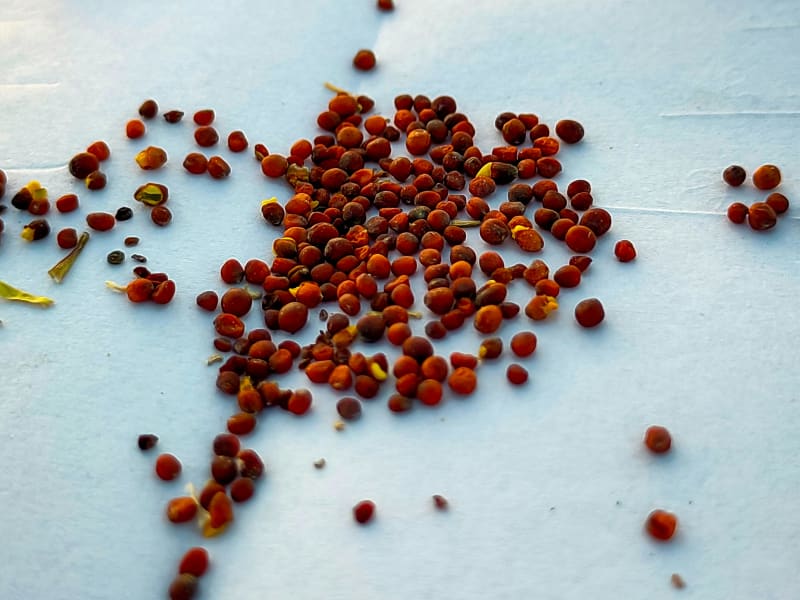
An example of a spice, which has potential health benefits, is mustard seeds. Their nutrition, applications, benefits, and safety are explained in simple terms in this manual.
April 11, 2026

Explore the fascinating world of DNA (deoxyribonucleic acid), the molecule that holds the blueprint for life. Learn about its structure, function, genes, and its vital role in health and inheritance, explained simply for Indian readers.
April 1, 2026

Discover effective, practical tips for recovering from the common cold faster. Learn about hydration, warm liquids, rest, and when to see a doctor, tailored for an Indian audience.
April 1, 2026