

Free Helpline
We are here to assist you.
Health Advisor
+91-8877772277Available 7 days a week
10:00 AM – 6:00 PM to support you with urgent concerns and guide you toward the right care.

We are here to assist you.
Health Advisor
+91-8877772277Available 7 days a week
10:00 AM – 6:00 PM to support you with urgent concerns and guide you toward the right care.
An exchange transfusion is a medical procedure that removes and replaces a patient's blood with donor blood or plasma. It's used for serious conditions like severe newborn jaundice and sickle cell disease. Learn how it works, its risks, and what to expect.

In the world of medicine, certain procedures are designed to address critical health issues that standard treatments cannot manage. An exchange transfusion is one such powerful intervention. It's a medical process where a portion of a patient's blood is systematically removed and replaced with donor blood or plasma. This isn't a routine procedure; it's reserved for specific, often life-threatening, conditions affecting the blood. Think of it as a sophisticated blood 'reset' button when the body's blood is not functioning correctly or contains harmful substances.
The primary reason for an exchange transfusion is to treat serious blood abnormalities. These can range from inherited blood disorders to conditions where the blood has become toxic. The goal is to quickly improve the patient's health by removing problematic blood components and introducing healthy ones.
One of the most common scenarios for exchange transfusion is severe jaundice in newborns. Jaundice occurs when there's a buildup of bilirubin, a yellow pigment produced during the normal breakdown of red blood cells. While mild jaundice is common and often resolves on its own, severe cases can be dangerous. If bilirubin levels get too high, they can cross into the brain and cause serious, permanent damage, a condition known as kernicterus. An exchange transfusion efficiently removes the excess bilirubin from the baby's blood, along with the old red blood cells that are producing it, and replaces it with healthy donor blood. This procedure is particularly important for premature babies (born before 38 weeks of pregnancy) who are more vulnerable to complications from jaundice.
Sickle cell disease is a genetic disorder affecting red blood cells. Instead of their usual flexible, disc shape, the red blood cells become rigid and crescent-shaped, like a sickle. These sickle-shaped cells can block blood flow in small blood vessels, leading to severe pain, organ damage, stroke, and other serious complications. Exchange transfusion is a vital treatment for SCD, especially during painful crises or before surgery. It helps reduce the number of sickle cells in the blood and increases the concentration of healthy red blood cells, improving blood flow and preventing blockages. For instance, a child experiencing a severe sickle cell crisis, unable to move due to excruciating pain in their limbs and high fever, might be rushed to the hospital for an exchange transfusion to quickly alleviate the blockage and pain.
Beyond jaundice and sickle cell disease, exchange transfusions can be used for other critical conditions. This includes certain types of anemia where red blood cells are destroyed too rapidly, or when the blood chemistry is dangerously imbalanced. It can also be employed to remove toxins from the blood, such as those resulting from drug overdoses or poisoning, helping to clear the harmful substances from the body more rapidly than the body could on its own.
This procedure takes place in a hospital setting, usually in an intensive care unit (ICU) or a specialized procedure room. It requires careful monitoring by a medical team.
While exchange transfusion is a powerful tool, like any medical procedure, it carries potential risks and side effects. The medical team will discuss these with you or the patient's guardians before proceeding.
If any adverse reaction occurs, the medical team will stop the transfusion immediately and manage the complication. They will then decide whether to continue the transfusion later or restart the process.
Preparation for an exchange transfusion is primarily managed by the medical team. However, understanding the process can help ease anxiety. Key steps include:
An exchange transfusion is a procedure decided upon by medical professionals in specific critical situations. You typically won't
Overall, early action and medically verified advice remain the safest approach.
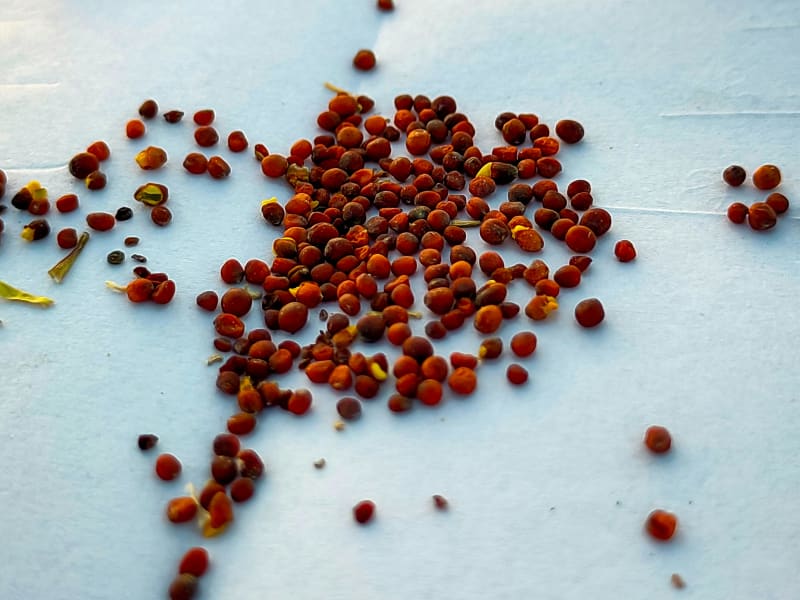
An example of a spice, which has potential health benefits, is mustard seeds. Their nutrition, applications, benefits, and safety are explained in simple terms in this manual.
April 11, 2026

Explore the fascinating world of DNA (deoxyribonucleic acid), the molecule that holds the blueprint for life. Learn about its structure, function, genes, and its vital role in health and inheritance, explained simply for Indian readers.
April 1, 2026

Discover effective, practical tips for recovering from the common cold faster. Learn about hydration, warm liquids, rest, and when to see a doctor, tailored for an Indian audience.
April 1, 2026