

Free Helpline
We are here to assist you.
Health Advisor
+91-8877772277Available 7 days a week
10:00 AM – 6:00 PM to support you with urgent concerns and guide you toward the right care.

We are here to assist you.
Health Advisor
+91-8877772277Available 7 days a week
10:00 AM – 6:00 PM to support you with urgent concerns and guide you toward the right care.
Learn about dietary choices for diverticulitis. Discover what to eat and avoid to manage symptoms and promote gut health, with practical tips for Indian readers.

Diverticulitis is a medical condition that affects your large intestine, specifically the colon. It involves the formation of small pouches, called diverticula, which can become inflamed or infected. When these pouches become inflamed, it’s known as diverticulitis. While doctors and dietitians no longer strictly recommend specific diets for everyone with diverticulitis, many individuals find that adjusting their food intake can significantly help manage symptoms. This guide explores what you might consider eating and avoiding, based on research and common patient experiences in India.
For a long time, medical advice centered around avoiding certain foods like nuts, seeds, and popcorn, fearing they could get stuck in the diverticula and cause inflammation. However, current research suggests this isn't necessarily the case for most people. Instead, the focus is shifting towards understanding how different types of foods and overall dietary patterns can influence gut health and potentially trigger or alleviate diverticulitis symptoms.
A common scenario many patients face is experiencing sudden, sharp abdominal pain, often on the left side, accompanied by fever and nausea. During such an episode, the immediate thought is, "What can I eat?" This is when dietary adjustments become critical. While medical treatment is essential, your diet plays a supportive role in recovery and prevention.
When you are experiencing an acute episode of diverticulitis, your doctor will likely recommend a specific diet to give your digestive system a rest and reduce inflammation. This typically involves:
During a flare-up, a diet low in fiber is usually advised. Fiber, while generally beneficial for gut health, can be harder to digest when your colon is inflamed. Limiting fiber allows your intestines to heal.
In some cases, especially during severe flare-ups, a clear liquid diet might be recommended for a short period. This means consuming only liquids that you can see through. Examples include:
Important Note: Aim to drink at least 8 cups of fluids daily, even on a liquid diet. This helps you stay hydrated and supports your gastrointestinal health.
Once your symptoms start to improve, your doctor will guide you on gradually reintroducing solid foods. This usually begins with a low-fiber diet and slowly progresses to a higher-fiber diet as your digestive system recovers. It’s a step-by-step process to avoid overwhelming your gut.
While general recommendations have evolved, some individuals find that certain foods trigger or worsen their diverticulitis symptoms. Research suggests exploring these areas:
FODMAP stands for Fermentable Oligosaccharides, Disaccharides, Monosaccharides, and Polyols. These are types of carbohydrates that can be poorly absorbed in the small intestine and fermented by bacteria in the large intestine, potentially causing gas, bloating, and pain. While primarily studied for Irritable Bowel Syndrome (IBS), some research indicates a low-FODMAP diet might benefit individuals with diverticulitis by reducing pressure in the colon.
Examples of high-FODMAP foods that some people with diverticulitis may want to limit include:
It's essential to note that not everyone with diverticulitis will react to all these foods. Identifying personal triggers is key.
Some studies suggest that a diet high in red meat (like beef, pork, lamb) and processed meats (like sausages, bacon, deli meats) may increase the risk of developing diverticulitis. These foods are often higher in fat and lower in fiber compared to plant-based alternatives.
A diet that is generally high in unhealthy fats and refined sugars, and low in fiber, has been linked to a higher incidence of diverticulitis. These dietary patterns can contribute to inflammation and affect gut motility.
Conversely, a diet rich in certain foods is associated with a reduced risk of developing diverticulitis and may help manage symptoms. Focusing on these can support gut health:
Once you are past the acute flare-up and your doctor gives the okay, increasing your fiber intake is crucial. Fiber helps keep your digestive system running smoothly and can prevent constipation, which is thought to play a role in diverticulitis. Aim for:
Tip: Gradually increase fiber intake to avoid gas and bloating. Drink plenty of water as you increase fiber.
Probiotics are beneficial bacteria that support gut health. Including foods rich in probiotics might help maintain a healthy balance of gut microbes.
It’s vital to seek medical attention if you experience:
These could be signs of diverticulitis or a more serious complication like an abscess or perforation. Prompt medical evaluation is necessary.
A: The old advice was to avoid popcorn, nuts, and seeds. However, current medical understanding is that these are generally safe for most people with diverticulosis or diverticulitis, especially outside of an acute flare-up. If you find they personally cause you discomfort, then it's wise to avoid them.
A: A diet rich in fiber from fruits, vegetables, and whole grains is considered the best for preventing diverticulitis. Staying well-hydrated and maintaining a healthy weight also contribute to gut health and prevention.
A: Aim for at least 8 cups (about 2 liters) of fluids per day. This is important for overall hydration and helps keep your digestive system functioning properly, especially when increasing fiber intake.
A: For most people, nuts and seeds do not cause diverticulitis flare-ups. They are good sources of fiber and healthy fats. If you notice they cause you pain or discomfort, discuss this with your doctor or a dietitian.
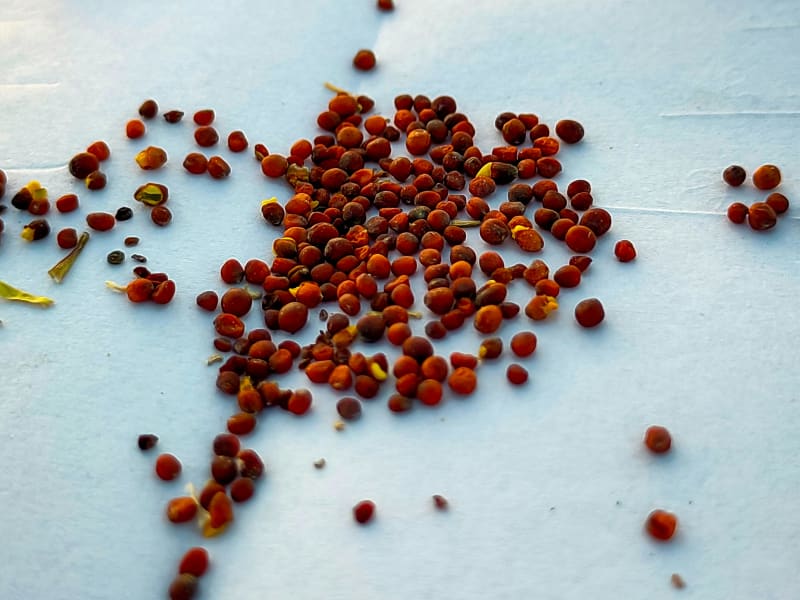
An example of a spice, which has potential health benefits, is mustard seeds. Their nutrition, applications, benefits, and safety are explained in simple terms in this manual.
April 11, 2026

Explore the fascinating world of DNA (deoxyribonucleic acid), the molecule that holds the blueprint for life. Learn about its structure, function, genes, and its vital role in health and inheritance, explained simply for Indian readers.
April 1, 2026

Discover effective, practical tips for recovering from the common cold faster. Learn about hydration, warm liquids, rest, and when to see a doctor, tailored for an Indian audience.
April 1, 2026