

Free Helpline
We are here to assist you.
Health Advisor
+91-8877772277Available 7 days a week
10:00 AM – 6:00 PM to support you with urgent concerns and guide you toward the right care.

We are here to assist you.
Health Advisor
+91-8877772277Available 7 days a week
10:00 AM – 6:00 PM to support you with urgent concerns and guide you toward the right care.
Explore how congeners in alcoholic drinks affect your hangover. Learn about high vs. low congener drinks and when to seek help.

When you enjoy a drink, whether it's a glass of wine, a beer, or a spirit, you're consuming more than just ethyl alcohol. Along with the ethanol, which is the primary psychoactive component of alcoholic beverages, there are other compounds present. These are known as congeners. Think of them as the 'byproducts' of the fermentation and distillation process that creates your favorite alcoholic drinks. While they might sound technical, congeners are actually quite common and play a role in the taste and aroma of many alcoholic beverages.
The process of turning sugars into alcohol, often using yeasts, results in ethyl alcohol as the main product. However, it's not the only thing produced. Congeners are also formed during this intricate process. The specific types and amounts of congeners can vary greatly depending on the raw ingredients used – like grapes for wine, grains for beer, or molasses for rum. This variability is why different alcoholic drinks have such distinct flavors and smells.
The creation of congeners is an inherent part of how alcoholic beverages are produced. During fermentation, yeasts convert sugars into ethanol. But alongside this, a complex array of other compounds are also generated. These include various types of alcohols (other than ethanol), aldehydes, ketones, and esters. For instance, acetaldehyde, an aldehyde, can give some drinks a fruity scent, while certain alcohols might contribute sweet or pungent aromas.
Distillation, the process used to increase the alcohol concentration in spirits, can further influence congener levels. While distillation generally removes some congeners, the extent to which it does so can vary. Highly distilled spirits, often referred to as 'top-shelf' liquors, typically have lower congener counts compared to less refined or un-distilled beverages like wine or beer. This is one reason why some people report experiencing less severe hangovers from clear spirits compared to darker liquors.
The connection between congeners and hangovers is a topic that researchers have explored for years. While alcohol consumption itself is the primary driver of a hangover, congeners are thought to play a significant role in the severity of those unpleasant symptoms. The prevailing theory suggests that your body has to work harder to process these additional compounds. When your body is busy breaking down congeners, it might take longer to metabolize the ethanol, potentially prolonging the effects of alcohol and contributing to hangover symptoms.
Some scientific studies indicate that alcoholic drinks with higher congener content tend to result in more intense hangovers. This could be because congeners might stimulate the release of stress hormones like norepinephrine and epinephrine. These hormones can trigger inflammatory responses in the body, leading to fatigue, headaches, and nausea – all classic signs of a hangover.
Not all alcoholic drinks are created equal when it comes to congeners. Generally, the darker the color of the drink, the higher its congener content is likely to be. This is often a result of the aging process or the ingredients used.
It's important to remember that this is a general guideline. The specific production methods and ingredients used by manufacturers can significantly impact the congener levels in any given product.
When it comes to alcoholic beverages made at home, such as homemade beers or wines, the congener content can be significantly higher. This is because home brewers often have less control over the precise fermentation process compared to commercial manufacturers. As a result, home-brewed drinks can sometimes contain up to ten times the usual amount of congeners found in commercially produced alcohol. If you're looking to avoid a severe hangover, it might be wise to be cautious with home-brewed beverages.
While choosing drinks with lower congener content might help reduce the severity of a hangover for some individuals, it's not a foolproof solution. Alcohol consumption itself is the main culprit behind hangovers. Even drinks with low congeners can lead to a hangover if consumed in excess. Factors like dehydration, the speed of drinking, and individual tolerance also play a significant role.
For example, imagine you're at a party and decide to drink vodka mixed with orange juice, believing it will prevent a hangover. While vodka is low in congeners, if you consume several large glasses quickly, you'll likely still experience some unpleasant symptoms the next morning due to the sheer amount of alcohol and potential dehydration.
Understanding congeners is interesting, but if you find yourself struggling with alcohol consumption and want to cut back or stop, professional help is available. Recognizing when you might need support is a sign of strength. If you feel you can't control your drinking or if alcohol is negatively impacting your life, reaching out is the first step towards recovery.
The Substance Abuse and Mental Health Services Administration (SAMHSA) National Helpline is a valuable resource. You can reach them 24/7 at 800-662-HELP (4357). This confidential service can provide information and connect you with local resources to help you find a path to quitting and maintaining sobriety.
Congeners themselves are not necessarily
Overall, early action and medically verified advice remain the safest approach.
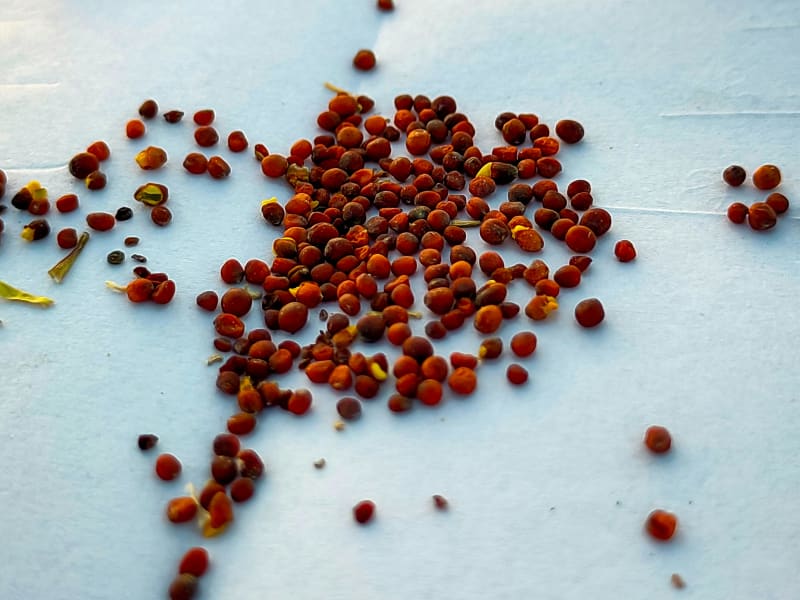
An example of a spice, which has potential health benefits, is mustard seeds. Their nutrition, applications, benefits, and safety are explained in simple terms in this manual.
April 11, 2026

Explore the fascinating world of DNA (deoxyribonucleic acid), the molecule that holds the blueprint for life. Learn about its structure, function, genes, and its vital role in health and inheritance, explained simply for Indian readers.
April 1, 2026

Discover effective, practical tips for recovering from the common cold faster. Learn about hydration, warm liquids, rest, and when to see a doctor, tailored for an Indian audience.
April 1, 2026