

Free Helpline
We are here to assist you.
Health Advisor
+91-8877772277Available 7 days a week
10:00 AM – 6:00 PM to support you with urgent concerns and guide you toward the right care.

We are here to assist you.
Health Advisor
+91-8877772277Available 7 days a week
10:00 AM – 6:00 PM to support you with urgent concerns and guide you toward the right care.
Explore the safety of reusing plastic water bottles. Learn about plastic codes (#1, #2, #7), chemical leaching, bacterial growth, and safe practices for Indian consumers. Discover when to ditch a bottle and the best reusable alternatives.

We’ve all been there: you finish a bottle of water, and instead of tossing it, you rinse it out and fill it up again. It’s a simple act, driven by a desire to be more eco-friendly and perhaps save a few rupees. The mantra of ‘reduce, reuse, recycle’ has been ingrained in us for years. But when it comes to those convenient plastic water bottles, is reusing them actually safe? The answer, surprisingly, isn't a straightforward yes or no. It depends on the type of plastic, how you use it, and what precautions you take. Let’s break down the science behind plastic bottles and explore safe reuse practices for Indian consumers.
Plastic bottles come with a small symbol, usually on the bottom, featuring a number inside a triangle. This is the recycling code, and it tells you what kind of plastic the bottle is made from. These codes, numbered 1 through 7, are primarily for sorting during recycling, but they also offer clues about a bottle's composition and potential safety for reuse.
Not all plastics are created equal, and not all are used for beverage bottles. Most single-use water and soda bottles you find in India are made from plastics with recycling codes #1, #2, or #7.
The urge to reuse plastic bottles is understandable. In India, like globally, we are increasingly aware of our environmental impact. Reducing plastic waste is a priority for many. Reusing a bottle seems like a simple, effective way to cut down on the number of single-use plastics that end up in landfills or polluting our waterways. However, this well-intentioned act can come with hidden health risks if not done carefully.
The primary concern with reusing plastic bottles, particularly those not designed for it, is the potential leaching of chemicals into the water. Here’s what can happen:
If you are committed to reusing plastic bottles, or if it's your only option, follow these guidelines to minimize risks:
Bottle caps are often made from #2 (HDPE) or #5 (polypropylene) plastics. Like the bottles themselves, they should be reused conservatively and washed between uses to prevent bacterial buildup.
It’s crucial to know when to say goodbye to a plastic bottle. If you notice:
In these situations, it’s safest to recycle the bottle and opt for a fresh one or, better yet, a reusable alternative.
While we’ve explored the nuances of reusing plastic bottles, the most recommended approach for regular hydration is to invest in durable, reusable water bottles. Options include:
Choosing these options significantly reduces your exposure to potential chemical leaching and microplastics, and it’s the most sustainable choice in the long run.
Even if you only drink water, the plastic can degrade over time with repeated use, exposure to light, and washing. Bacteria can still accumulate if not cleaned properly. It’s best to limit reuse and inspect the bottle regularly.
No, it is generally not safe to fill plastic bottles, especially PET (#1) bottles, with hot water. Heat can accelerate the leaching of chemicals like antimony from the plastic into the water.
If you are using bottles designed for reuse (like BPA-free plastics), you should replace them when they show signs of wear and tear, such as scratches, cracks, or discoloration. For single-use bottles that you are reusing occasionally, replace them after a few uses or if any signs of damage appear.
Not all #7 plastics necessarily contain BPA, but the category is a mix of different plastics. Unless a #7 bottle is explicitly labeled as BPA-free, it’s safest to assume it might contain BPA and avoid reusing it.
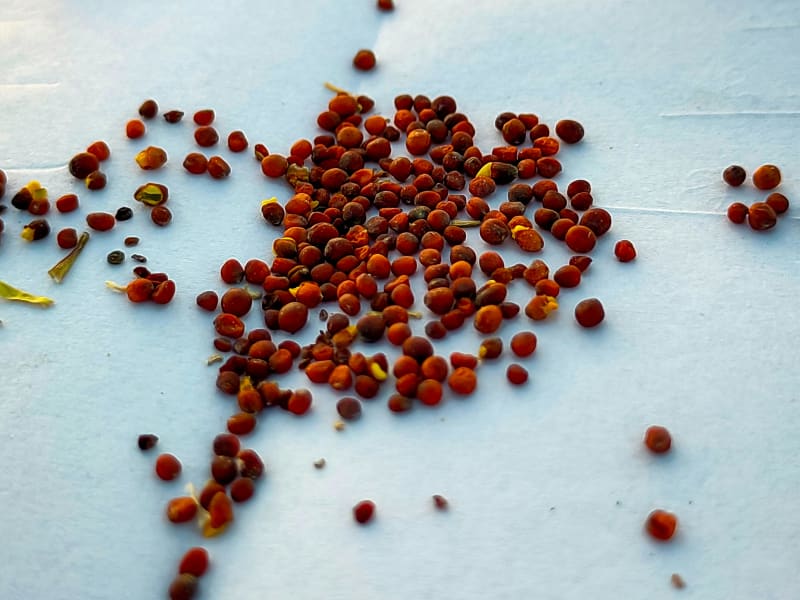
An example of a spice, which has potential health benefits, is mustard seeds. Their nutrition, applications, benefits, and safety are explained in simple terms in this manual.
April 11, 2026

Explore the fascinating world of DNA (deoxyribonucleic acid), the molecule that holds the blueprint for life. Learn about its structure, function, genes, and its vital role in health and inheritance, explained simply for Indian readers.
April 1, 2026

Discover effective, practical tips for recovering from the common cold faster. Learn about hydration, warm liquids, rest, and when to see a doctor, tailored for an Indian audience.
April 1, 2026