

Free Helpline
We are here to assist you.
Health Advisor
+91-8877772277Available 7 days a week
10:00 AM – 6:00 PM to support you with urgent concerns and guide you toward the right care.

We are here to assist you.
Health Advisor
+91-8877772277Available 7 days a week
10:00 AM – 6:00 PM to support you with urgent concerns and guide you toward the right care.
Explore the potential benefits and risks of medical marijuana for conditions like chronic pain, inflammation, and nausea. Understand its legal status, side effects, and when to consult a doctor.

For decades, marijuana has been a substance shrouded in legal and cultural debate. Once largely considered illegal, it's now being re-evaluated, with a growing number of states in India and around the world legalizing it for medical and even recreational use. This shift has sparked significant interest in its potential therapeutic benefits. But what does the science say? Can marijuana truly help with medical conditions, and what are the potential downsides? This article aims to provide a clear, practical overview for Indian readers, separating fact from fiction and exploring the current understanding of marijuana's role in healthcare.
The therapeutic potential of marijuana is largely attributed to its active compounds, known as cannabinoids. Among these, two stand out: tetrahydrocannabinol (THC) and cannabidiol (CBD). THC is the compound best known for its psychoactive effects, meaning it can alter mood, perception, and consciousness. CBD, on the other hand, is non-psychoactive and is believed to offer a range of health benefits, including anti-inflammatory and pain-relieving properties. These cannabinoids interact with the body's endocannabinoid system, a complex network that plays a role in regulating various functions like pain, mood, appetite, and sleep.
Research and anecdotal evidence suggest several potential benefits of using marijuana for specific medical conditions. It's important to remember that marijuana is not a one-size-fits-all solution, and its effectiveness can vary greatly among individuals.
One of the most widely studied benefits of marijuana is its potential to alleviate chronic pain. The cannabinoids, particularly THC, can interact with pain receptors in the brain, altering pain perception. This could offer relief for conditions like:
For many suffering from persistent pain, marijuana might offer an alternative to traditional painkillers, some of which can have significant side effects or lead to dependency. For instance, a patient with severe arthritis might find that medical marijuana helps reduce their reliance on NSAIDs, which can irritate their stomach over time.
CBD's anti-inflammatory properties are a key area of research. By reducing inflammation in the central nervous system and throughout the body, CBD may help manage conditions characterized by inflammation, such as:
Chronic inflammation is linked to a host of health problems, so reducing it can contribute to overall well-being.
For individuals undergoing chemotherapy, nausea and loss of appetite can be debilitating side effects. Medical marijuana has shown promise in helping to manage these symptoms, making it easier for patients to maintain nutrition and cope with treatment.
The effects of cannabinoids on the brain's limbic system have led to their investigation for various neurological and mental health conditions. Some research suggests potential benefits for:
It's crucial to approach the use of marijuana for mental health conditions with caution and under strict medical supervision due to its psychoactive properties.
Compared to synthetic opioids, marijuana is considered to pose fewer risks and is thought to be less addictive. This has led to discussions about its potential role in managing pain, potentially offering a safer alternative or adjunct to opioid therapy.
While the potential benefits are promising, it is essential to acknowledge the risks and concerns associated with marijuana use. The legal status of marijuana varies, and even where it is legal for medical use, it is still subject to strict regulations.
In India, the Narcotic Drugs and Psychotropic Substances (NDPS) Act, 1985, prohibits the production, possession, sale, and consumption of cannabis resin and flowers. However, certain parts of the hemp plant, like seeds and leaves, are permitted for industrial use under specific regulations. This means that medical marijuana, as commonly understood in countries with legal frameworks, is not broadly legal in India. Always consult with local laws and regulations regarding cannabis.
The side effects of marijuana can vary depending on the strain, dosage, and individual sensitivity. Common side effects include:
The psychoactive effects of THC can be a concern for some individuals, particularly when driving or operating machinery. It is vital to understand how marijuana affects you personally before engaging in such activities.
While often considered less addictive than substances like opioids, marijuana can still lead to psychological dependence in some individuals. Regular, heavy use can result in withdrawal symptoms when use is stopped.
Despite growing interest, many researchers and medical professionals advocate for more rigorous scientific studies to fully understand marijuana's long-term effects and efficacy for various conditions. The quality and consistency of medical marijuana products can also vary, making standardized treatment challenging.
When legally prescribed and regulated, medical marijuana can be administered in several ways:
The choice of administration method depends on the condition being treated, the desired speed of effect, and individual preference.
The decision to explore medical marijuana should always be made in consultation with a qualified healthcare professional. If you are considering marijuana for a medical condition, especially in regions where it is legally regulated, discuss the following with your doctor:
Given the strict legal landscape in India, it is imperative to be aware of and adhere to all applicable laws. Self-medicating with unregulated cannabis products can carry significant health and legal risks.
Medical marijuana holds promise for various conditions, particularly in pain management, inflammation reduction, and managing certain side effects of treatments like chemotherapy. However, its use is complex, involving legal restrictions, potential side effects, and the ongoing need for more robust scientific evidence. For readers in India, understanding the current legal framework is paramount. Always prioritize a conversation with your doctor to make informed, safe decisions about your health.
No, the production, possession, sale, and consumption of cannabis resin and flowers are prohibited under the NDPS Act, 1985. While certain parts of the hemp plant are permitted for industrial use under regulation, medical marijuana as understood in many other countries is not broadly legal.
The two main active compounds are tetrahydrocannabinol (THC), which is psychoactive, and cannabidiol (CBD), which is non-psychoactive and known for its potential therapeutic properties like anti-inflammatory effects.
Currently, there is no scientific consensus that marijuana can cure diseases. It is primarily considered for symptom management and improving quality of life for certain conditions, rather than as a curative treatment.
Common side effects include dry mouth, red eyes, temporary impairment of memory and concentration, increased heart rate, dizziness, and in some cases, anxiety or paranoia, especially with high THC doses.
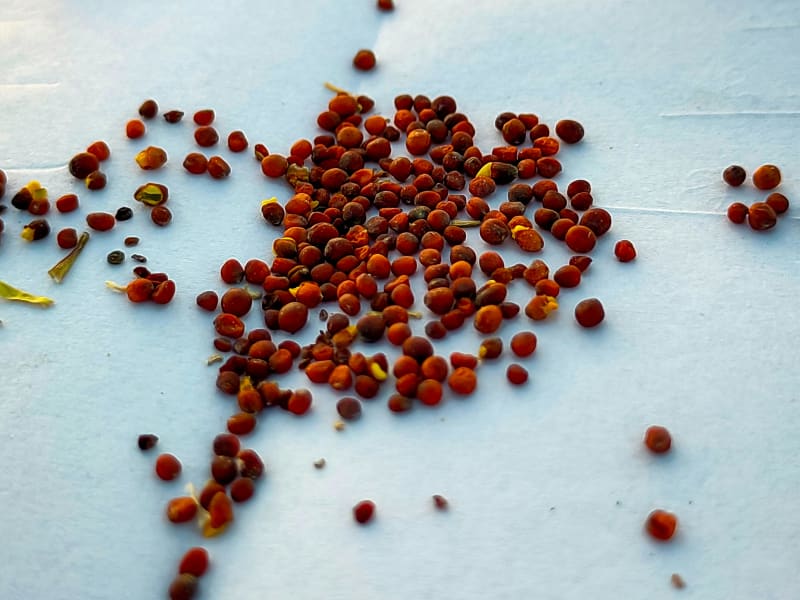
An example of a spice, which has potential health benefits, is mustard seeds. Their nutrition, applications, benefits, and safety are explained in simple terms in this manual.
April 11, 2026

Explore the fascinating world of DNA (deoxyribonucleic acid), the molecule that holds the blueprint for life. Learn about its structure, function, genes, and its vital role in health and inheritance, explained simply for Indian readers.
April 1, 2026

Discover effective, practical tips for recovering from the common cold faster. Learn about hydration, warm liquids, rest, and when to see a doctor, tailored for an Indian audience.
April 1, 2026