

Free Helpline
We are here to assist you.
Health Advisor
+91-8877772277Available 7 days a week
10:00 AM – 6:00 PM to support you with urgent concerns and guide you toward the right care.

We are here to assist you.
Health Advisor
+91-8877772277Available 7 days a week
10:00 AM – 6:00 PM to support you with urgent concerns and guide you toward the right care.
Explore the potential link between leaky gut syndrome and hives. Learn about symptoms, causes, diagnosis, and dietary and lifestyle strategies for managing gut health and skin conditions.

Understanding the Link Between Leaky Gut Syndrome and Hives Hives, medically known as urticaria, are itchy, raised welts that can appear suddenly on the skin. While often triggered by allergic reactions, insect bites, or certain medications, there's a growing interest in less common causes, including a condition known as ‘leaky gut syndrome’. This article explores the potential connection between leaky gut and hives, offering insights for Indian readers on symptoms, causes, diagnosis, and management. What is Leaky Gut Syndrome? Leaky gut syndrome, also referred to as increased intestinal permeability, describes a condition where the lining of the intestines becomes compromised. The intestinal wall acts as a barrier, controlling what passes from the gut into the bloodstream. In a healthy gut, this barrier allows nutrients to be absorbed while keeping harmful substances like toxins and undigested food particles out. However, when the gut lining is ‘leaky’, these unwanted substances can pass through into the bloodstream, potentially triggering inflammation and immune responses throughout the body. The exact causes of leaky gut are not fully understood, but it is often associated with digestive disorders such as Inflammatory Bowel Disease (IBD). Some research suggests that changes in the gut microbiome – the community of bacteria and other microorganisms living in our digestive tract – may contribute to the development of a leaky gut. This disruption in the gut microbiome has also been linked to various autoimmune conditions. What are Hives? Hives are a common skin reaction characterized by red, itchy, and raised bumps or welts on the skin. They can vary in size and shape and may appear anywhere on the body. Hives can be a sign of an allergic reaction to foods, medications, insect stings, or environmental allergens like pollen or dust. Other triggers include physical stimuli like pressure or cold, and sometimes, the cause remains unknown, leading to chronic hives. Chronic hives are defined as the occurrence of hives almost every day for six weeks or longer. According to dermatological experts, a significant portion of individuals experiencing chronic hives may find their symptoms resolve within a year. Can Leaky Gut Cause Hives? The Emerging Evidence While the direct causal link between leaky gut syndrome and hives is still an area of active research, there is compelling evidence suggesting a connection. The theory is that when the intestinal barrier is compromised, inflammatory molecules and toxins can enter the bloodstream. This systemic inflammation can manifest in various ways, including skin reactions like hives. A study conducted in 2021 compared the gut microbiome of individuals with chronic hives to those without. The findings indicated significant differences in the bacterial composition of the gut in people with chronic hives. The researchers concluded that alterations in the gut microbiome might play a role in the development of chronic hives. Furthermore, a 2020 review of existing research highlighted a link between the gut microbiome and overall skin health. This review noted that differences in gut bacteria have been observed in individuals suffering from various skin conditions, including chronic hives. The mechanism proposed is that the increased intestinal permeability associated with leaky gut allows inflammatory substances to enter the circulation. The body’s immune system may then react to these substances, leading to the characteristic inflammation and swelling that results in hives. Other Skin Problems Associated with Leaky Gut Hives are not the only skin issue that may be linked to leaky gut syndrome. Some sources suggest that increased intestinal permeability can contribute to a range of dermatological problems. These can include: Eczema (atopic dermatitis) Acne Rosacea Psoriasis These conditions are often characterized by inflammation, and the systemic inflammation triggered by a leaky gut could potentially exacerbate or even contribute to their development. Symptoms of Leaky Gut Syndrome While leaky gut syndrome is not a formally recognized medical diagnosis in the same way as IBD, individuals experiencing symptoms associated with increased intestinal permeability may report a variety of issues. These can include: Digestive problems: Bloating, gas, diarrhea, constipation, abdominal pain Skin issues: Hives, eczema, acne Food sensitivities or intolerances Fatigue Headaches Joint pain Mood changes, such as anxiety or depression Autoimmune conditions It’s important to note that these symptoms are non-specific and can be indicative of many other health conditions. Diagnosis and When to Consult a Doctor Diagnosing leaky gut syndrome can be challenging as there isn’t a single definitive test. Doctors typically rely on a combination of patient history, symptom assessment, and sometimes, specific tests to evaluate intestinal permeability. These tests might include: Lactulose and Mannitol Test: This involves drinking a solution containing two types of sugar and then measuring their levels in the urine. Higher levels of lactulose and lower levels of mannitol can suggest increased intestinal permeability. Zonulin Test: Zonulin is a protein that regulates the tight junctions between intestinal cells. Elevated levels of zonulin in blood or stool samples may indicate a leaky gut. Stool Tests: These can help assess the overall health of the gut microbiome and identify inflammation. When to consult a doctor: Persistent Hives: If you experience hives almost daily for more than six weeks, it’s crucial to consult a doctor, preferably a dermatologist or an allergist. Digestive Issues: If you have chronic bloating, pain, diarrhea, or constipation, seek medical advice. Suspected Food Intolerances: If you notice a pattern of digestive upset or skin reactions after eating certain foods. Unexplained Symptoms: If you are experiencing a combination of the symptoms mentioned above without
In summary, timely diagnosis, evidence-based treatment, and prevention-focused care improve long-term health outcomes.
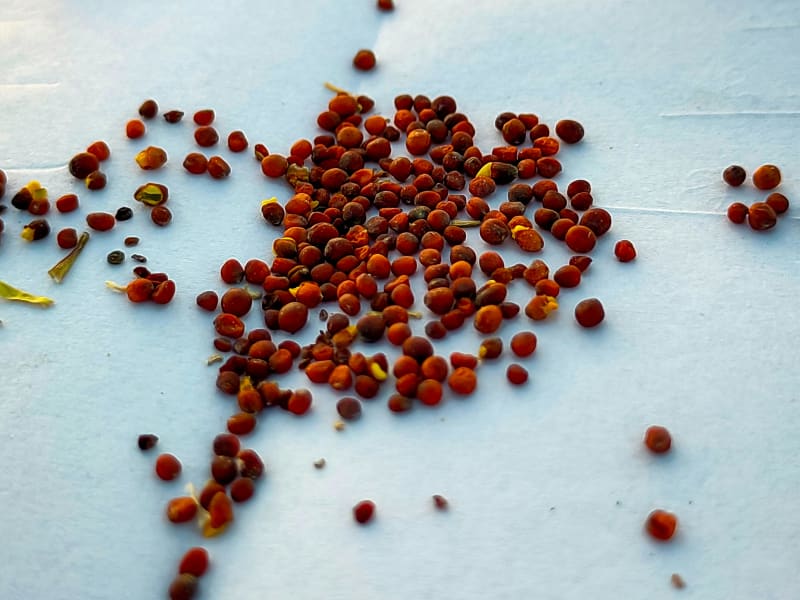
An example of a spice, which has potential health benefits, is mustard seeds. Their nutrition, applications, benefits, and safety are explained in simple terms in this manual.
April 11, 2026

Explore the fascinating world of DNA (deoxyribonucleic acid), the molecule that holds the blueprint for life. Learn about its structure, function, genes, and its vital role in health and inheritance, explained simply for Indian readers.
April 1, 2026

Discover effective, practical tips for recovering from the common cold faster. Learn about hydration, warm liquids, rest, and when to see a doctor, tailored for an Indian audience.
April 1, 2026