

Free Helpline
We are here to assist you.
Health Advisor
+91-8877772277Available 7 days a week
10:00 AM – 6:00 PM to support you with urgent concerns and guide you toward the right care.

We are here to assist you.
Health Advisor
+91-8877772277Available 7 days a week
10:00 AM – 6:00 PM to support you with urgent concerns and guide you toward the right care.
Explore the intriguing world of breast milk cheese. Is it a safe culinary experiment or a potential health risk? We break down the facts, safety concerns, and alternatives for using excess breast milk.

Breast milk is a miracle food, perfectly designed by nature to nourish your baby. For the first six months, it's all they need. But what happens when a mother produces more milk than her baby can consume? While freezing excess milk is the most common solution, some adventurous individuals have explored other, more unconventional uses for this precious liquid. One such culinary exploration that has raised eyebrows and sparked widespread curiosity is the creation of cheese from breast milk. You might have heard about it from celebrity chefs or seen it on reality cooking shows. But is making cheese from breast milk a safe and viable option, or is it a gastronomic experiment best left to the avant-garde? Let's explore the facts.
The short answer is yes, it is technically possible to make cheese using breast milk. However, this is not a common practice, nor is it widely accepted as a culinary practice. While a few chefs have experimented with it, both privately and publicly, you're unlikely to find "foremilk fondue" on any mainstream restaurant menu anytime soon. For instance, if you're a fan of the reality TV show "MasterChef," you might recall a contestant serving Gordon Ramsay mac and cheese made with breast milk. Ramsay was surprised by this deeply personal ingredient, but other culinary artists are more open to such experimental cooking. After all, "breast is best," right?
The origin of such an idea often stems from necessity. A common scenario involves a mother with an abundant supply of pumped breast milk and limited freezer space. Instead of letting the excess milk go to waste, inspiration strikes to use it in other ways. One chef shared that his wife had a surplus of milk, leading him to develop a recipe. This "waste not, want not" philosophy is understandable when faced with a large quantity of nutrient-rich milk.
While the idea might sound intriguing, there are significant health and safety considerations that cannot be overlooked. Breast milk, by its nature, is an unpasteurized bodily fluid. This means it can potentially harbor illness-causing bacteria if not handled and stored with extreme care. Improper handling can lead to contamination, posing a risk to anyone who consumes it. Furthermore, as a bodily fluid, breast milk can transmit viruses such as HIV, Hepatitis B, and Hepatitis C. This is precisely why donated breast milk undergoes rigorous screening and testing before it is distributed to ensure the safety of infants who rely on it.
The U.S. Food and Drug Administration (FDA) has specific guidelines regarding the sale of human milk. Generally, it is illegal to sell human milk without a license or permit. This regulation exists to ensure that the milk is handled, stored, and processed under safe conditions. While personal use or sharing among friends might not fall under these strict commercial regulations, the underlying safety principles remain paramount.
Imagine Sarah, a new mother in Delhi, who is exclusively pumping for her baby. She's managing well, but her freezer is rapidly filling up with milk bags. She feels a sense of guilt seeing the milk potentially going to waste if her baby's needs don't increase. Her friend mentions a chef who made cheese from breast milk. Sarah, while intrigued by the idea of using the milk creatively, immediately worries about safety. She knows her milk is precious and wants to ensure it's handled correctly, even for something as experimental as cheese, and wonders if it's even legal or advisable to try.
From a culinary standpoint, the idea of breast milk cheese is met with mixed reactions. Many cheese connoisseurs are taken aback by the thought of replacing traditional milk (from cows, goats, or sheep) with human milk. The flavor profile and coagulating properties might also differ significantly, making it a challenging ingredient to work with.
However, the culinary world is always seeking novelty. Some chefs view it as an experimental ingredient, pushing the boundaries of what's considered food. It's a way to explore unique textures and flavors. For instance, a contestant on "MasterChef" used it in a mac and cheese dish, highlighting its potential in familiar recipes.
Interestingly, some proponents of veganism have shown curiosity towards using human milk. They see it as a more ethical, animal-friendly alternative to dairy products. PETA (People for the Ethical Treatment of Animals) has, in fact, celebrated the idea of using human milk over animal milk as a more ethical choice in cooking. However, it's important to note that many recipes, including the one by Chef Daniel Angerer that gained notoriety, often use a combination of breast milk and traditional ingredients like cow's milk and rennet to achieve the desired coagulation and texture. This means it's not necessarily a vegan dish.
If cheese-making isn't your cup of tea, there are other, perhaps more practical, ways to utilize excess breast milk. Cooking with breast milk can be a clever method to incorporate its immune-boosting and nutrient-rich benefits into the diet of a weaning baby or even an older child. Here are a few ideas:
While exploring creative uses for breast milk is a personal choice, safety should always be the top priority. If you are considering using breast milk for purposes other than feeding your baby, especially in cooking or making products like cheese, it's wise to consult with a healthcare professional or a lactation consultant. They can provide guidance on safe handling, storage, and potential risks associated with consuming breast milk that has not been pasteurized or properly screened.
Key points to discuss with your doctor include:
The safety depends heavily on how the milk is handled and stored. Unpasteurized breast milk can carry bacteria and viruses. If not handled under sterile conditions, it can pose health risks. It is not recommended for general consumption due to these safety concerns.
In many countries, including India and the US, selling human milk without proper licensing and adherence to safety regulations is illegal. This is to protect consumers from potential health risks.
The primary risks include bacterial contamination (like E. coli or Staphylococcus) and the transmission of viruses (like HIV, Hepatitis B, or C) if the milk is not properly screened and handled.
Breast milk is highly nutritious for babies. However, the process of cheesemaking involves fermentation and coagulation, which can alter the nutritional composition. The benefits are likely to be different from those of fresh breast milk, and the risks may outweigh potential benefits for adults.
Safer alternatives include freezing it for later use by the baby, donating it to a milk bank (after screening), or using it in small quantities in cooked dishes for your baby (like thinning purees or in baked goods), ensuring thorough cooking.
In summary, while the idea of breast milk cheese is a fascinating topic, it's essential to approach it with caution. The potential health risks associated with handling and consuming unpasteurized bodily fluids are significant. Prioritizing safety and consulting with healthcare professionals is paramount before considering any unconventional uses for breast milk.
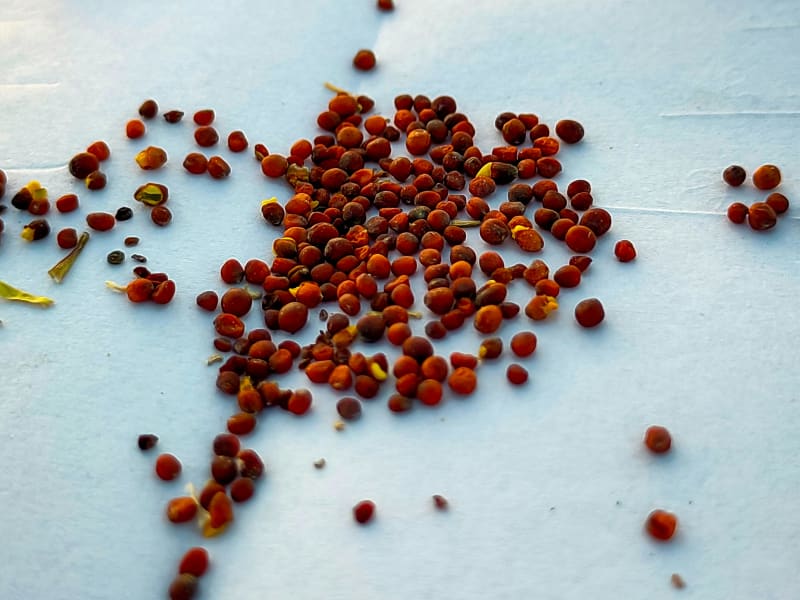
An example of a spice, which has potential health benefits, is mustard seeds. Their nutrition, applications, benefits, and safety are explained in simple terms in this manual.
April 11, 2026

Explore the fascinating world of DNA (deoxyribonucleic acid), the molecule that holds the blueprint for life. Learn about its structure, function, genes, and its vital role in health and inheritance, explained simply for Indian readers.
April 1, 2026

Discover effective, practical tips for recovering from the common cold faster. Learn about hydration, warm liquids, rest, and when to see a doctor, tailored for an Indian audience.
April 1, 2026