

Free Helpline
We are here to assist you.
Health Advisor
+91-8877772277Available 7 days a week
10:00 AM – 6:00 PM to support you with urgent concerns and guide you toward the right care.

We are here to assist you.
Health Advisor
+91-8877772277Available 7 days a week
10:00 AM – 6:00 PM to support you with urgent concerns and guide you toward the right care.
Learn how to effectively treat, prevent, and recognize painful bluebottle stings on the beach. Get practical first-aid tips for this common marine encounter.

The shimmering, translucent bluebottle, also known as the Pacific man o' war, can turn a delightful beach day into a painful encounter. While beautiful from a distance, its long, trailing tentacles pack a potent sting. If you've ever felt that sharp, burning sensation after a dip in the ocean, you might have encountered one of these fascinating, yet formidable, marine creatures. This guide will help you understand what a bluebottle sting is, how to treat it effectively, and how to prevent future painful encounters.
The bluebottle (Physalia utriculus) is a marine organism that floats on the surface of the ocean. It's often mistaken for a jellyfish, and it shares similarities, particularly with the Portuguese man o' war found in the Atlantic. The most striking feature is its gas-filled float, or 'sail', which is typically only a few inches long and can be blue, purple, or pink. This float helps it drift with the wind and currents. However, the real danger lies beneath the surface: its tentacles. These can extend up to an astonishing 30 feet (about 9 meters) in length, though they are often nearly invisible in the water. These tentacles are armed with stinging cells called nematocysts, which inject venom.
The immediate sensation after a bluebottle sting is usually sharp and intense pain. It feels like a burning or stinging sensation right where the tentacle made contact. You might notice a distinct red line on your skin, which can appear like a string of beads. This line often swells and becomes intensely itchy. In some cases, blisters may form along the affected area. The severity of the symptoms can depend on how long the tentacle was in contact with your skin and how much venom was injected.
Common Symptoms of a Bluebottle Sting:
Imagine this: You're enjoying a refreshing swim at your favourite beach in Goa, feeling the cool waves wash over you. Suddenly, a sharp, burning pain shoots up your leg. You look down and see a thin, red, beaded line appearing on your skin. Panic sets in, but you remember reading about bluebottle stings and know you need to act quickly and calmly.
If you're stung by a bluebottle, the most important thing is to stay calm. If you're with someone, ask for their help. Rushing can sometimes make things worse. Here's a step-by-step approach:
There are many old wives' tales about treating stings, but some can actually cause more harm than good. It's vital to stick to proven methods.
For most bluebottle stings, home treatment is usually sufficient. However, there are situations where you should consult a doctor or seek immediate medical help:
The best approach to dealing with bluebottle stings is prevention. Here’s how you can protect yourself:
Bluebottle stings are painful and can cause significant discomfort, swelling, and itching. While rarely fatal, they can cause severe pain and, in rare cases, trigger allergic reactions. It's important to treat them promptly and seek medical attention if symptoms are severe or unusual.
Yes, absolutely. The stinging cells (nematocysts) on the tentacles can remain active even after the bluebottle is dead or washed ashore. Always avoid touching any part of a bluebottle, even if it appears lifeless.
The most effective and recommended treatment is immersing the stung area in hot water (as hot as can be tolerated without scalding, around 42°C or 107°F) for about 20 minutes. This helps neutralize the venom and relieve pain. Gentle rinsing with seawater and careful removal of any tentacle fragments are also important initial steps.
The intense pain usually subsides within a few hours after proper treatment. However, itching and discomfort can linger for several days. If pain persists or worsens, consult a doctor.
Enjoying the ocean is one of life's great pleasures. By understanding the risks associated with bluebottles and knowing how to react if stung, you can ensure your beach visits remain safe and enjoyable. Remember to stay informed, be prepared, and most importantly, have fun!
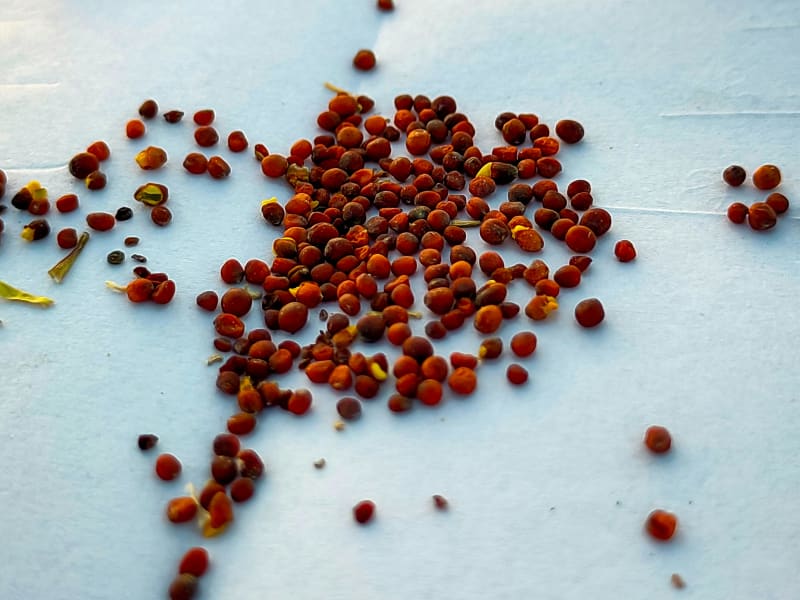
An example of a spice, which has potential health benefits, is mustard seeds. Their nutrition, applications, benefits, and safety are explained in simple terms in this manual.
April 11, 2026

Explore the fascinating world of DNA (deoxyribonucleic acid), the molecule that holds the blueprint for life. Learn about its structure, function, genes, and its vital role in health and inheritance, explained simply for Indian readers.
April 1, 2026

Discover effective, practical tips for recovering from the common cold faster. Learn about hydration, warm liquids, rest, and when to see a doctor, tailored for an Indian audience.
April 1, 2026