

Free Helpline
We are here to assist you.
Health Advisor
+91-8877772277Available 7 days a week
10:00 AM – 6:00 PM to support you with urgent concerns and guide you toward the right care.

We are here to assist you.
Health Advisor
+91-8877772277Available 7 days a week
10:00 AM – 6:00 PM to support you with urgent concerns and guide you toward the right care.
Accidentally swallowed a silica gel packet? Learn what happens, the risks of choking and blockage, and when to seek medical help for yourself or your child.

You’ve probably seen them before – those small, unassuming packets tucked away in the packaging of new shoes, in bottles of vitamins, or even in bags of dried fruit. These are silica gel packets, and their job is to absorb moisture. They are essentially tiny beads or granules made from silicon dioxide, a component naturally found in sand. Think of them as tiny sponges for the air, working to keep your products dry and fresh. This desiccant action is vital for preventing mould, mildew, and general spoilage during shipping and storage. So, while they might seem like mere packaging filler, these little packets play an important role in preserving the quality of many items we use and consume daily.
You might find these packets in a surprising variety of places:
The good news is that, in most cases, accidentally ingesting silica gel is not a cause for major alarm. The gel itself is generally considered nontoxic. This means it’s unlikely to cause poisoning or chemical reactions within your body. It’s chemically inert, which means it doesn’t break down or react with your digestive system. For the most part, if you or your child swallows a silica gel packet, the contents will likely pass through the digestive system and be expelled from the body without any ill effects. There’s no nutritional value to it, and it won’t cause you to become sick from toxicity.
However, there's a very important distinction to be made between the gel itself and the packet it comes in, as well as the potential for choking. The packets, especially if they are the paper or plastic kind, can be a significant choking hazard. This is why manufacturers label them with clear warnings like “Do not eat” or “Throw away after using.” They aren't trying to scare you; they're trying to prevent a potential emergency.
While the silica gel itself is usually harmless, the physical presence of the packet and its contents can pose a risk. The primary concern is choking. Imagine a small child, curious about a new packet, putting it in their mouth. The packet, or even a large amount of the gel beads, can easily become lodged in the airway, leading to a medical emergency. Choking requires immediate attention – if you suspect someone is choking on a silica gel packet, call emergency services (like 108 or 112 in India) right away.
Another potential issue, though less common, is an intestinal obstruction. If a very large quantity of silica gel is ingested, or if the packet itself is swallowed, it could potentially block the passage of food and waste through the intestines. This is more likely if a person has pre-existing digestive issues or has consumed a substantial amount. Symptoms might include severe abdominal pain, vomiting, and an inability to pass gas or stool.
Real-life scenario: Little Rohan was playing with his new toy car when he noticed a small white packet inside the box. Thinking it was candy, he popped the whole thing into his mouth. His mother, distracted for a moment, heard a strange sound and rushed over to find Rohan struggling to breathe, the packet visible in his mouth. This is a critical moment where quick action is needed.
While most ingestions are minor, you should always be vigilant. Seek emergency medical attention if:
In India, you can call:
In very rare instances, manufacturers might use silica gel that is coated with a compound called cobalt chloride. This compound is toxic. If ingested, it can cause symptoms like nausea and vomiting. If you suspect that the silica gel you or your child ingested might be coated with cobalt chloride (often indicated by blue or orange beads, though this is not always the case), it is crucial to contact a medical professional or poison control for advice. Most silica gel used today is now cobalt chloride-free due to these concerns.
If the ingestion was accidental and the person is not choking or showing severe symptoms:
Prevention is always better than cure, especially when it comes to curious little ones and pets.
Our furry friends can also accidentally ingest these packets. While the silica gel is usually nontoxic to pets, it can still cause them discomfort. If your pet eats a silica gel packet, they might experience nausea and vomiting. If you suspect your pet has ingested a packet, especially if they show signs of illness, contact your veterinarian. They can provide specific advice based on your pet's size, breed, and overall health.
No, the silica gel itself is generally considered nontoxic. The main risks are choking and, in rare cases, intestinal blockage if a large amount is consumed.
If your child is choking, call emergency services immediately. If they are not choking but you are concerned, encourage them to drink water and monitor them closely for any adverse symptoms like vomiting or severe abdominal pain. Contact your doctor or a local health helpline if you have any doubts.
While the gel is nontoxic, swallowing the packet or a large amount of gel might cause some mild digestive upset or discomfort as it passes through the system. Severe symptoms like persistent vomiting or pain warrant medical attention.
Most are standard nontoxic silica gel. However, very rarely, they might be coated with cobalt chloride, which is toxic. These are less common now. If you suspect your packet might be one of these (often indicated by colour changes, though not always reliable), seek medical advice.
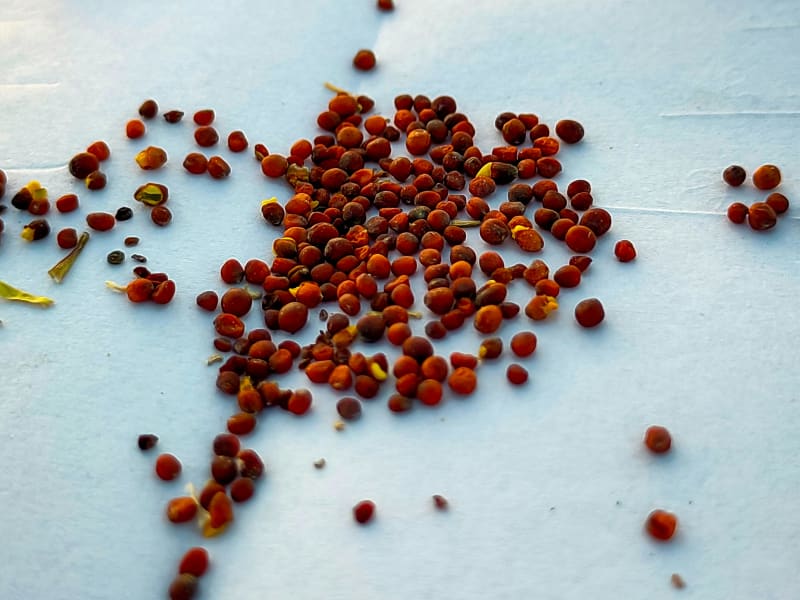
An example of a spice, which has potential health benefits, is mustard seeds. Their nutrition, applications, benefits, and safety are explained in simple terms in this manual.
April 11, 2026

Explore the fascinating world of DNA (deoxyribonucleic acid), the molecule that holds the blueprint for life. Learn about its structure, function, genes, and its vital role in health and inheritance, explained simply for Indian readers.
April 1, 2026

Discover effective, practical tips for recovering from the common cold faster. Learn about hydration, warm liquids, rest, and when to see a doctor, tailored for an Indian audience.
April 1, 2026