

Free Helpline
We are here to assist you.
Health Advisor
+91-8877772277Available 7 days a week
10:00 AM – 6:00 PM to support you with urgent concerns and guide you toward the right care.

We are here to assist you.
Health Advisor
+91-8877772277Available 7 days a week
10:00 AM – 6:00 PM to support you with urgent concerns and guide you toward the right care.
Explore the significant link between chewing tobacco and oral cancer. Learn about the risks, early warning signs, diagnosis, treatment, and effective strategies for quitting.

The Devastating Link Between Chewing Tobacco and Oral Cancer Chewing tobacco, often perceived as a less harmful alternative to smoking, carries a significant and dangerous risk of oral cancer. While it may not directly affect the lungs like cigarettes, the chemicals present in chewing tobacco are potent carcinogens that directly impact the delicate tissues of the mouth. This article delves into the intricate relationship between chewing tobacco and oral cancer, shedding light on the risks, early warning signs, and crucial steps towards prevention and quitting. Understanding the Risks: Why Chewing Tobacco is Dangerous The statistics are stark: tobacco users of any kind are considerably more likely to develop oral cancer than non-users. In fact, approximately 90% of all individuals diagnosed with oral cancer are tobacco users. For those who indulge in chewing or other forms of smokeless tobacco, the risk escalates dramatically. Studies indicate that these individuals face about a 50 times greater risk of developing oral cancer compared to non-users. The duration and intensity of chewing tobacco use directly correlate with this elevated risk; the longer and more frequently you chew, the higher your chances of developing this devastating disease. It's a common misconception that smokeless tobacco is safe because it doesn't involve inhalation. However, chewing tobacco contains a cocktail of harmful chemicals, including nicotine, which is highly addictive and carcinogenic. These substances are in constant contact with the oral mucosa, leading to cellular damage and mutations that can eventually lead to cancer. The average age of diagnosis for oral cancers is around 64, with less than 20% of diagnoses occurring in individuals younger than 55. This highlights that the cumulative effect of tobacco use over many years is a significant factor. Early Warning Signs of Oral Cancer Recognizing the early signs of oral cancer is paramount for timely diagnosis and treatment. The first indication often appears as a small, painless red or white bump within the mouth. This lesion may be easily overlooked or mistaken for a minor irritation that will heal on its own. However, persistence of such a bump warrants immediate medical attention. Another critical early sign is jaw stiffness and swelling. This condition, known as submucous fibrosis, can develop as the cancer progresses, making it difficult to open the mouth fully. Other potential symptoms include: A sore or persistent irritation in the mouth that bleeds easily. A lump or thickening in the cheek, neck, or other areas of the mouth. A rough patch of tissue inside the mouth. Difficulty chewing, swallowing, or speaking. A change in the way your teeth fit together when your mouth is closed. Numbness in the tongue or other area of the mouth. Swelling of the jaw, which may cause dentures to fit poorly or become uncomfortable. It is crucial to understand that while not everyone who chews tobacco will develop oral cancer, the vast majority of those diagnosed with it are tobacco users. Early detection significantly improves the chances of successful treatment and a positive prognosis. Diagnosis of Oral Cancer Diagnosing oral cancer typically involves a thorough examination by a healthcare professional, often a dentist or an oral surgeon. This examination includes: Visual and Physical Examination: The doctor will carefully inspect the entire mouth, including the tongue, gums, cheeks, palate, and floor of the mouth, looking for any suspicious sores, lumps, or discolored patches. Biopsy: If any abnormal areas are found, a biopsy is usually performed. This involves taking a small sample of the suspicious tissue for examination under a microscope by a pathologist. This is the definitive way to confirm the presence of cancer cells. Imaging Tests: Depending on the suspected stage and spread of the cancer, imaging tests such as CT scans, MRIs, or PET scans may be ordered to assess the extent of the disease and whether it has spread to nearby lymph nodes or other parts of the body. Treatment Options for Oral Cancer The treatment for oral cancer depends on several factors, including the stage of the cancer, its location, and the patient's overall health. The primary treatment modalities include: Surgery: This is often the first line of treatment, aiming to remove the cancerous tumor and any affected lymph nodes. The extent of surgery can vary from minimally invasive procedures to more extensive resections, potentially involving reconstruction of the affected area. Radiation Therapy: High-energy rays are used to kill cancer cells. It can be used alone or in combination with surgery, and is often employed to target remaining cancer cells or treat lymph nodes. Chemotherapy: Medications are used to kill cancer cells. Chemotherapy is typically administered intravenously and can be used in conjunction with radiation therapy or surgery, or as a treatment for advanced or recurrent cancers. Targeted Therapy: These drugs specifically target certain molecules involved in cancer cell growth and survival. Immunotherapy: This treatment harnesses the body's own immune system to fight cancer. A multidisciplinary team of specialists, including oncologists, surgeons, radiation oncologists, and speech therapists, often collaborates to create a personalized treatment plan for each patient. Quitting Chewing Tobacco: A Path to Better Health The most effective way to reduce your risk of oral cancer is to quit chewing tobacco. While quitting can be challenging, numerous resources and support systems are available to help you succeed. Making the decision to quit is a powerful step towards safeguarding your health and well-being. Support Systems for Quitting: quitSTART App: This free mobile application, available on
In summary, timely diagnosis, evidence-based treatment, and prevention-focused care improve long-term health outcomes.
Understand the key differences between hepatologists and gastroenterologists to ensure you see the right specialist for your digestive and liver health concerns.
April 24, 2026
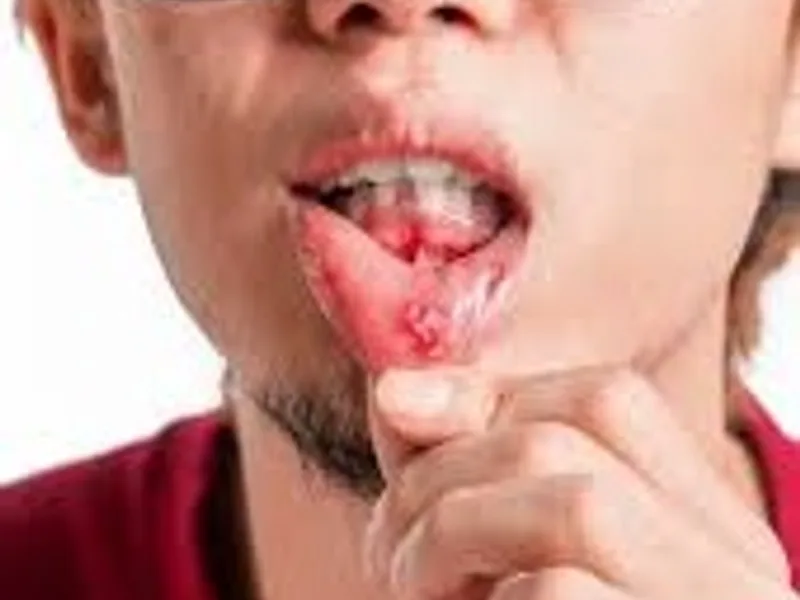
Discover 3 subtle signs of mouth cancer often dismissed as minor issues. Learn why early detection is crucial for effective treatment.
April 23, 2026

Learn about potential side effects of CML treatments like TKIs, interferon, chemotherapy, and stem cell transplants. Understand what to expect and how to communicate with your doctor for effective management.
April 1, 2026