

Free Helpline
We are here to assist you.
Health Advisor
+91-8877772277Available 7 days a week
10:00 AM – 6:00 PM to support you with urgent concerns and guide you toward the right care.

We are here to assist you.
Health Advisor
+91-8877772277Available 7 days a week
10:00 AM – 6:00 PM to support you with urgent concerns and guide you toward the right care.
Learn when and how to safely introduce bread to your baby. Discover the best types of bread, choking prevention tips, and nutritional benefits for your little one.

As a parent, you’re constantly thinking about what’s best for your little one, especially when it comes to their first foods. You’ve probably introduced purees and maybe even some soft fruits and vegetables. Now, you might be wondering about a common staple in many households: bread. Can babies eat bread? And if so, when is the right time to introduce it?
The good news is that babies can typically start enjoying bread from around 6 months of age. This aligns with the general recommendation from organizations like the Academy of Pediatrics (AAP) to begin introducing a variety of solid foods once your baby shows signs of readiness for solids, which usually happens around the six-month mark. However, it’s always wise to introduce new foods one at a time to monitor for any potential reactions. The Centers for Disease Control and Prevention (CDC) suggests waiting about 3 to 5 days between introducing each new food. This careful approach helps you identify any sensitivities or allergies your baby might have.
Before you even think about bread, ensure your baby is ready for solids. Signs include being able to sit up with minimal support, having good head and neck control, and showing an interest in food by opening their mouth when food is offered. If your baby is displaying these cues, they might be ready to explore new textures and tastes, including bread.
Not all breads are created equal, especially when it comes to feeding your baby. You want to choose options that offer nutritional benefits and are safe for little ones to consume. Here’s what to look for:
When selecting bread for your baby, reach for loaves that are made with 100% whole wheat or other whole grains. These breads are packed with fiber, which is fantastic for your baby’s developing digestive system. Fiber can help prevent constipation, a common concern for parents introducing solids. Look for labels that explicitly state “100% whole wheat” or list whole grains as the first ingredient. Examples of good choices include sprouted grain breads.
Many commercially available breads contain added sugars, which aren’t necessary for babies. If you’re overwhelmed by reading labels, a good rule of thumb is to choose breads with 2 grams of sugar or less per slice. This helps ensure you’re not introducing unnecessary sweetness into your baby’s diet.
Just like sugar, excessive sodium isn’t ideal for infants. Aim for breads with lower sodium levels. A good target is 100 milligrams (mg) of sodium or fewer per serving. Always check the nutrition facts panel to make informed choices.
This is a critical safety point: honey should never be given to babies under 1 year old due to the risk of infant botulism. Even if a bread is baked, if honey is listed as an ingredient, it’s best to avoid it for babies under 12 months.
Wheat is one of the top eight food allergens. If there’s a family history of wheat allergies or celiac disease, you might feel hesitant about introducing bread. Discuss any concerns with your pediatrician. They can guide you on the best approach for introducing potential allergens safely.
Safety is paramount when feeding babies. Bread, while generally safe, can pose a choking hazard if not prepared correctly. Here’s how to minimize the risks:
Counterintuitively, very soft, chewy breads like white sandwich bread can sometimes be more problematic. They can easily form a sticky ball in a baby’s mouth, making it difficult to swallow and increasing the risk of gagging or choking. To make these softer breads safer, try toasting them lightly. Toasting helps to dry out the bread slightly, making it less sticky and easier for your baby to manage.
On the other end of the spectrum, hard, crusty breads can be challenging for babies who have few or no teeth. While older babies with more developed chewing skills might be able to handle crusts, it’s generally best to avoid very hard breads for beginners. Stick to breads with a moderate density that are easier to break down.
Cut the bread into small, manageable pieces. Strips or small squares are often easier for babies to grasp and eat than large pieces. For very young babies, you might even consider tearing small pieces off a softened piece of toast.
Always supervise your baby closely while they are eating, especially when introducing new textures and foods like bread. Ensure they are sitting upright and are not distracted while eating.
Imagine it’s your baby’s first time trying bread. You’ve chosen a 100% whole wheat toast, lightly toasted. You cut it into small strips, about the size of your pinky finger. You offer one strip on their high chair tray. Your baby tentatively picks it up, gumming it before taking a small bite. They manage to chew and swallow it successfully, perhaps with a bit of a mess, but no gagging or distress. This is a great sign! You can offer another small piece, always watching closely.
When you choose the right kind of bread, it can offer several nutritional advantages for your little one:
While bread is a common and generally safe food, there are a few situations where you should proceed with caution or consult your pediatrician:
While white bread can be offered, it’s less nutritious than whole grain options. If you do offer white bread, toasting it can help prevent it from becoming a choking hazard.
Sourdough bread, especially whole wheat sourdough, can be a good option. The fermentation process may make it easier to digest for some individuals. Ensure it's not too crusty and is cut into appropriate sizes.
Start with small amounts, like a small strip or piece, once or twice a day. As your baby gets used to it and tolerates it well, you can gradually increase the quantity as part of a balanced diet. Focus on offering a variety of foods rather than relying heavily on one item.
If your baby has celiac disease or a gluten sensitivity, a gluten-free bread is necessary. Choose gluten-free options made from nutritious flours and check for added sugars and sodium. Always consult with your doctor or a registered dietitian for specific dietary advice for gluten-sensitive babies.
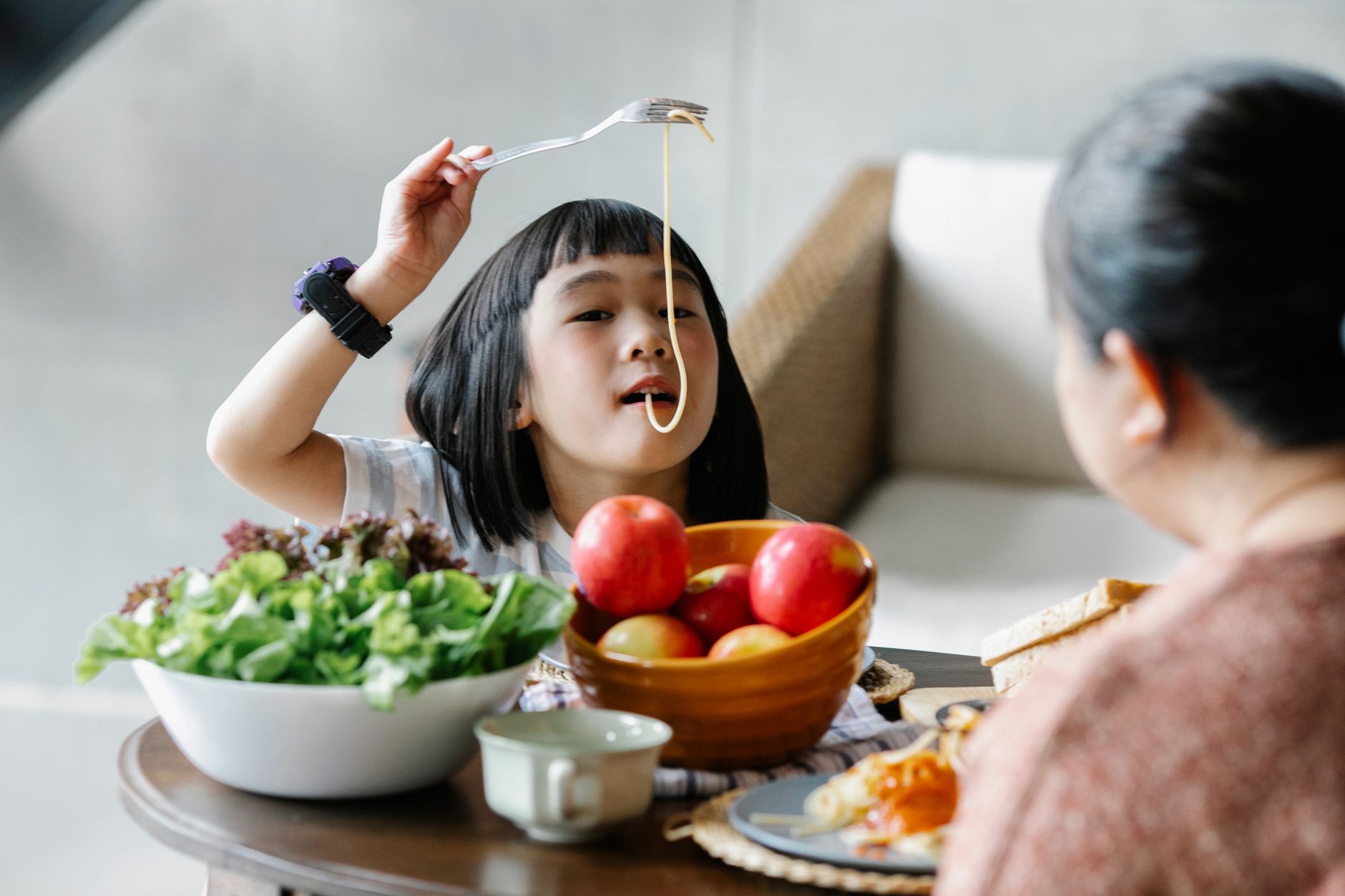
Navigate picky eating with practical tips for Indian parents. Learn common causes for food refusal and strategies to encourage healthy eating habits in your child, making mealtimes positive.
April 1, 2026

A comprehensive guide for Indian parents on selecting the best certified organic baby formula, covering types, key nutrients, and practical advice for making an informed choice.
April 1, 2026

Discover when and how to safely introduce blueberries to your baby. Learn about their nutritional benefits, preparation tips, and allergy information for a healthy start.
April 1, 2026