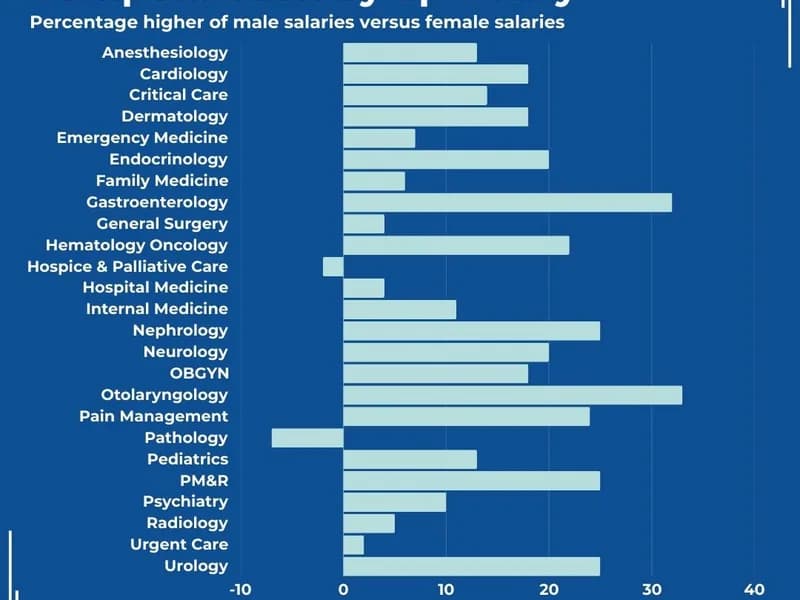
The Doctor Compensation Gender Gap: A Persistent Challenge
We often see discussions about pay gaps in various professions. The medical field, despite its noble aims, is not immune to this disparity. A significant gender pay gap exists among physicians globally, and India is no exception. This gap reflects complex societal and systemic issues that impact women in medicine, affecting their career progression and financial well-being. Understanding these factors is crucial for driving meaningful change.
Why Does This Gap Exist?
But why does this happen? Several intertwined factors contribute to the compensation disparity between male and female doctors. It's not a single issue but a confluence of societal expectations, career choices, and institutional biases.
Specialty Choice: Historically, certain medical specialties have been perceived as more 'feminine' (e.g., pediatrics, dermatology, general medicine) and tend to command lower salaries compared to 'masculine' specialties like surgery or cardiology. While this is changing, a notable portion of female physicians still practice in these lower-paying fields. For instance, a study published in the Indian Journal of Medical Ethics indicated that women are disproportionately represented in non-surgical specialities.
Hours Worked and Career Interruptions: Women are more likely to take career breaks or reduce working hours to manage family responsibilities, particularly childcare. These interruptions can slow career advancement and reduce overall lifetime earnings. Think about it this way: consistent experience and seniority often correlate with higher pay, and breaks disrupt this progression.
Negotiation Differences: Some research suggests subtle differences in salary negotiation tactics between genders, though this is a debated area. Societal conditioning might influence how women approach compensation discussions.
Bias in Practice Management and Leadership: Even within the same specialty and experience level, female physicians may earn less. This can stem from bias in hospital administration, patient volume differences, or fewer opportunities in high-paying administrative or leadership roles. A report by the National Medical Commission (NMC), while not directly on pay, highlights the underrepresentation of women in senior academic and administrative positions, which often come with higher remuneration.
Patient Perception and Trust: In some instances, patients may implicitly or explicitly prefer male physicians for certain procedures or specialties, potentially impacting patient load and, consequently, revenue for physicians in private practice.
Practically speaking, these elements combine to create a situation where, on average, female healthcare providers earn less than their male counterparts, even when controlling for experience and specialty.
The Impact on Female Physicians and Healthcare
Living with this disparity is genuinely hard. It’s not just about the immediate financial loss; it affects long-term financial security, retirement planning, and the overall perception of value within the profession. The cumulative effect over a career can be substantial. For example, if a female doctor earns 10-20% less annually than a male colleague in a similar role, this difference compounds significantly over a 30-year career. Consider a hypothetical scenario: a male doctor earning ₹15 Lakhs per month versus a female doctor earning ₹13 Lakhs per month in the same specialty. Over 30 years, this ₹2 Lakhs monthly difference amounts to ₹7.2 Crores in lost potential earnings. What should you actually do? This gap also has broader implications for the healthcare system. When a considerable portion of the workforce is undervalued, it can lead to burnout, reduced job satisfaction, and potentially impact the quality of care provided. On top of that,, it discourages younger women from entering certain high-demand, high-paying specialties if they perceive systemic barriers to equitable compensation.
Data and Statistics: The Indian Context
While comprehensive, India-specific, granular data on the doctor pay gap is still emerging, global trends offer a stark indication. Globally, studies indicate women physicians earn between 15-25% less than men. In India, anecdotal evidence and smaller studies suggest a similar, if not more pronounced, trend. The Indian Medical Association (IMA) has acknowledged the issue, advocating for greater transparency in compensation structures. * A 2022 analysis of physician salaries in the US by Doximity revealed women earned approximately 25% less than men on average. * While precise Indian figures are harder to pin down due to varied practice settings (government, private, corporate hospitals), estimations place the gap at around 15-20% for comparable roles. * The representation of women in leadership roles within medical institutions remains lower. According to a 2021 survey by the Federation of Indian Chambers of Commerce & Industry (FICCI) on women in healthcare leadership, only about 20-25% of senior leadership positions were held by women. These numbers underscore the reality that gender plays a role in how physicians are compensated.
Addressing the Disparity: Pathways to Equity
Closing the doctor compensation gender gap requires a multi-pronged approach involving individuals, institutions, and policymakers. Worth knowing: systemic change is slow but achievable.
Promoting Transparency: Hospitals and healthcare organizations must adopt transparent salary structures. Clearly defined pay scales based on role, experience, and performance, rather than gender, are essential.
Encouraging Negotiation Skills: Medical schools and professional bodies can offer workshops on salary negotiation, empowering female physicians with the tools to advocate for themselves.
Addressing Bias in Practice: Conscious efforts are needed to mitigate unconscious bias in hiring, promotion, and patient allocation. This includes blind resume reviews and structured interview processes.
Supporting Work-Life Balance: Implementing robust policies for parental leave, flexible work hours, and affordable childcare can help women manage career and family responsibilities without major financial penalty.
Mentorship and Sponsorship: Strong mentorship programs can guide women towards leadership roles. Sponsorship by senior physicians (both male and female) can actively open doors to opportunities.
Data Collection and Research: Continued research and data collection specifically within the Indian context are vital to accurately measure the gap and track progress.
Honestly, individual advocacy is important, but institutional change is where the most meaningful impact will be made. We need policies that ensure fairness and equal opportunity for all physicians, regardless of gender.
The Road Ahead: A Call for Equity
As India's healthcare sector grows, ensuring equitable compensation for all its dedicated professionals is paramount. The journey to close the doctor pay gap is ongoing. It demands our collective attention and action. By fostering transparency, challenging biases, and implementing supportive policies, we can build a more just and equitable future for women in medicine. Let's work together to make sure dedication and skill, not gender, determine a doctor's compensation. The health of our nation depends on a motivated and fairly compensated medical workforce. Key Takeaways
A meaningful gender pay gap exists among physicians globally and in India, impacting women's earnings.
Factors contributing to the gap include specialty choice, career interruptions for family, potential negotiation differences, and institutional biases.
Globally, women physicians earn roughly 15-25% less than their male counterparts.
Addressing the gap requires transparency, bias mitigation, supportive work-life policies, and mentorship.
Always consult a qualified physician before making medical decisions.
Frequently Asked Questions
What is the average salary difference between male and female specialists in India?
While precise, nationwide data is still being compiled, studies and anecdotal evidence suggest a gap of approximately 15-20% on average, with variations based on specialty and experience. This means female healthcare providers may earn significantly less over their careers.
Can choosing a different medical specialty benefit reduce the pay gap?
Yes, choosing specialties that are traditionally higher paying (like certain surgical fields or interventional specialties) can potentially lead to higher earnings. However, this choice should align with personal interests and aptitude, not solely financial considerations.
How do hospital policies affect the doctor pay gap?
Hospital policies play a crucial role. Transparent salary structures, unbiased promotion criteria, equitable patient load distribution, and supportive policies for parental leave and flexible work hours can significantly enable in reducing the gender pay gap.
What can female clinicians do to address potential pay disparities?
Female clinicians can actively negotiate salaries, seek mentorship and sponsorship, pursue leadership opportunities, and advocate for transparent compensation practices within their institutions. Continuous professional development also strengthens their position.
And yet, so many people miss it.
Hospital charity care investigation | Medical bills cervical cancer | Telemedicine abortion pill | Supreme Court mifepristone ruling | Health insurance access 2026 | Physician mental health burnout | Doctor compensation gender gap | AACR 2026 oncology conference | Medscape physician satisfaction | Global health policy WHO | AI in medical diagnosis | Blood test depression detection | Brain decoding hearing technology | Aptamer DNA molecule therapy | Lysosome aging inflammation | Enteroviruses weak spot discovery | Polio cold virus research | Medical ultrasound technology | Biocontainment unit Nebraska | Wearable health monitoring 2026 | Best Doctors Hyderabad | Surgeon in Surat | Medical Specialist Kozhikode | Book Doctor Appointment Online India