Constipation in Youngsters: A Research-Based Guide for Parents
Meena, 45, a homemaker from Jaipur, noticed her 6-year-old son, Rohan, struggling to pass bowel movements for over a week. He would often complain of a tummy ache, become irritable, and even refuse to go to school, fearing the pain associated with emptying his bowels.
This is a common scenario faced by many parents across India, where infrequent bowel movements in youngsters is a prevalent issue.
Understanding infrequent bowel movements in young individuals is crucial for timely intervention and long-term gut health. It’s not just about infrequent bowel movements; it encompasses a range of symptoms that can significantly impact a young person’s well-being and daily life.
Here's the thing — many parents often underestimate the severity or complexity of this condition, sometimes mistaking it for a simple dietary lapse.
What Exactly is Infrequent Bowel Movements in Youngsters?
Medically, infrequent bowel movements in young individuals is defined as fewer than three bowel movements per week, hard or large stools, difficulty or pain during defecation, and withholding behaviour. Sometimes, a young person might pass soft stools, but only after significant straining or in small, hard lumps.
This can be particularly distressing for both the youngster and the parents.
What most people miss is that the definition can vary slightly with age. For infants under one year, fewer than two bowel movements per week may be considered a sign of infrequent passage, especially if the stools are hard and difficult to pass.
That alone changes everything.
For older youngsters, the threshold of three bowel movements per week is more commonly used. Think about it this way: the consistency and ease of passage are as important as the frequency.
Why Does This Happen? Unpacking the Causes
But why does this happen? The reasons for infrequent bowel movements in young individuals are diverse, often stemming from a combination of factors. One of the most typical culprits is dietary inadequacy.
Insufficient intake of fibre-rich foods—fruits, vegetables, and whole grains—is a major contributor. In many Indian households, while rice and roti form staples, the consumption of fibre can be low if not consciously planned. For instance, a diet predominantly of refined flour (maida) products or excessive processed foods can lead to harder stools.
Another marked factor is inadequate fluid intake. Water is essential for softening bowel contents, allowing them to pass more easily through the digestive tract.
During the hot Indian summers or even the humid monsoon season, youngsters can become dehydrated quickly, exacerbating infrequent bowel movements. Dehydration means less water is available to soften the bowel movement, making it harder and more painful to pass.
Stool withholding behaviour is a critical aspect that often perpetuates the cycle of infrequent bowel movements. When a young person experiences painful bowel movements, they may consciously or unconsciously hold back their bowel movement to avoid the discomfort. This withholding leads to more water being absorbed from the bowel movement in the colon, making it even harder and larger. Eventually, this can lead to a vicious cycle where the youngster fears defecation.
Changes in routine can also trigger infrequent bowel movements. Starting school, travel, or even changes in bathroom habits can disrupt a young person’s normal bowel functioning.
For example, many Indian schools may not have easily accessible or hygienic bathrooms, leading youngsters to suppress the urge to defecate during school hours. This learned behaviour can contribute significantly to chronic infrequent bowel movements.
That alone changes everything.
Less commonly, underlying medical conditions might be responsible. These can include Hirschsprung's disease (a congenital situation affecting the large intestine), hypothyroidism, or certain metabolic disorders.
However, these are rare, and a thorough medical evaluation by a paediatrician is necessary to rule them out if infrequent bowel movements are severe or persistent.
Recognising the Signs: indicators to Watch For
So what does that mean for you? As a parent, being aware of the signs is your first line of defence. Beyond infrequent bowel movements, look out for:
- Hard, dry, or lumpy bowel movements: These are often difficult to pass.
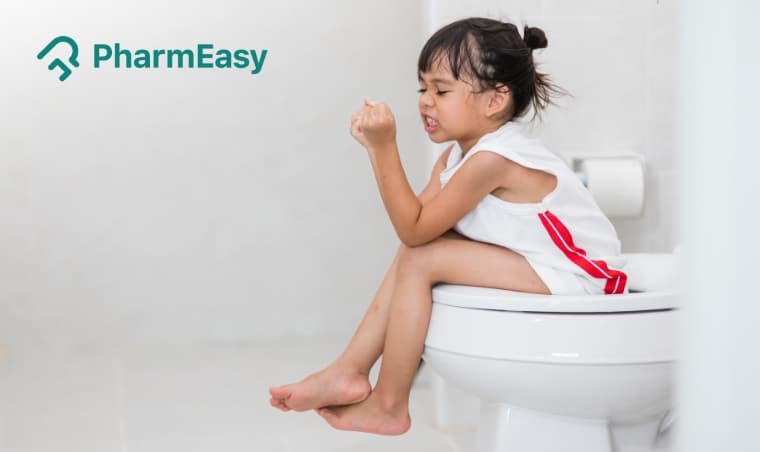
- Pain or straining during bowel movements: Your young person might cry, grunt, or tense their body.
- Abdominal pain or bloating: This can be a constant or intermittent complaint.
- Soiling (encopresis): This is leakage of bowel movements into underwear, often occurring because the young person cannot pass the large, hard bowel movement that is blocking the rectum, and liquid stool leaks around it. This is not intentional misbehaviour.
- Loss of appetite: Persistent infrequent bowel movements can lead to a feeling of fullness, reducing appetite.
- Irritability or fussiness: Discomfort from infrequent bowel movements can make youngsters unhappy.
- Avoiding the bathroom: Youngsters might hide or cross their legs when they feel the urge to pass stool.
Honestly, identifying these signs early can prevent the concern from becoming chronic and impacting your young person's growth and development. Over 101 million Indians have diabetes (ICMR, 2023), highlighting the importance of addressing chronic health issues early.
When to Seek Medical Help
While many cases of infrequent bowel movements in youngsters can be managed at home with dietary and lifestyle changes, certain situations warrant immediate medical attention. If your young person experiences any of the following, consult a paediatrician or visit a hospital:
- Infrequent bowel movements starting in the first few weeks of life.
- Blood in the bowel movement.
- Severe abdominal pain or vomiting.
- Fever along with infrequent bowel movements.
- Failure to gain weight or growth concerns.
- Any signs of neurological problems, such as weakness or back abnormalities.
- Infrequent bowel movements that don't improve with home remedies after a few weeks.
AIIMS (All India Institute of Medical Sciences) and other leading institutions in India report a major number of paediatric admissions due to complications arising from untreated infrequent bowel movements.
Recovery is rarely linear.
Managing Infrequent Bowel Movements: Practical Strategies for Parents
Effective management involves a multi-pronged approach focusing on diet, hydration, bathroom habits, and sometimes, medication. The International Diabetes Federation (IDF) Atlas estimates that over 77 million Indians have diabetes, indicating a broader trend of lifestyle-related diseases which often share similar preventive strategies with infrequent bowel movements, like diet and exercise.
Dietary Adjustments
Increasing fibre intake is paramount. Aim for 5 grams of fibre per year of age per day, up to a maximum of 25-30 grams daily for older youngsters. This means incorporating more:
- Fruits: Prunes, pears, apples (with skin), berries, and oranges are excellent choices. Pureed prunes or pears are often recommended for younger individuals.
- Vegetables: Spinach, broccoli, carrots, peas, and sweet potatoes provide essential fibre.
- Whole Grains: Opt for whole wheat flour (atta), oats, brown rice, and millets (like ragi, jowar) instead of refined grains. Many traditional Indian meals can be easily adapted – think whole wheat chapati instead of naan made from maida.
- Legumes: Dal, beans, and lentils are also good sources of fibre.
When introducing more fibre, it's crucial to increase fluid intake simultaneously to prevent the fibre from causing further blockage.
Hydration is Key
Encourage your young person to drink plenty of fluids throughout the day. Water is the best choice. For younger individuals, breast milk or formula provides adequate hydration.
For older youngsters, aim for at least 5-8 glasses of water daily, more if they are active or in hot weather. Limit sugary drinks, as they can contribute to dehydration and are generally unhealthy.
Establishing Regular Bathroom Habits
Creating a consistent bathroom routine is vital, especially for individuals prone to withholding. Encourage your young person to sit on the bathroom seat for 5-10 minutes after meals, even if they don't feel the urge. This takes advantage of the body's natural gastrocolic reflex (the urge to defecate after eating).
Make the bathroom experience positive and relaxed. Avoid pressure or punishment.
Having a comfortable and familiar bathroom environment is essential. If your young person sits on the floor for extended periods during prayer or family gatherings, ensure they have a designated, comfortable spot.
This principle extends to bathroom habits – a youngster needs a stable place to sit, with their feet supported (a footstool can support), to effectively pass stool.
Physical Activity
Regular physical activity helps stimulate bowel movements. Encourage active play, sports, or even a daily walk. Movement gets the intestines working.
When Diet and Habits Aren't Enough: Medical Interventions
In cases where lifestyle changes are insufficient, a doctor might recommend medications. These can include:
- Stool softeners: Medications like lactulose or polyethylene glycol (PEG) benefit draw water into the bowel movement, making it softer and easier to pass. These are often the first line of medical treatment and are generally safe for long-term use under medical supervision.
- Stimulant laxatives: These are usually prescribed for short-term use if stool softeners are not powerful, as they can lead to dependency if used long-term.
The Lancet has published numerous studies on the efficacy of various treatments for paediatric infrequent bowel movements, underscoring the importance of evidence-based medical guidance. Over 50% of youngsters with chronic infrequent bowel movements have a functional disorder, meaning there is no underlying physical abnormality, but the gut's function is impaired (Source: Pediatric Gastroenterology research).
It sounds simple. It rarely is.
A report by the World Health Organization (WHO) also highlights the global burden of gastrointestinal issues in youngsters.
Education and reassurance are also key components of therapy. Helping parents understand the issue and reassuring them that it is usual and treatable can alleviate anxiety. For youngsters, positive reinforcement and understanding their fears are crucial.
Preventing Future Episodes
Prevention is always better than cure. By establishing healthy habits early on—a fibre-rich diet, adequate hydration, regular physical activity, and a consistent bathroom routine—you can significantly reduce the risk of infrequent bowel movements in your young person.
Teaching youngsters about the importance of listening to their body and not ignoring the urge to defecate is a lifelong lesson.
Key Takeaways:
- Infrequent bowel movements in young individuals is prevalent and defined by infrequent, hard bowel movements, pain, and withholding behaviour.
- Dietary fibre and adequate fluid intake are crucial for healthy bowel movements.
- Stool withholding behaviour can create a painful cycle that requires careful management.
- Establishing regular bathroom habits and encouraging physical activity are vital preventive measures.
- Always consult a qualified physician before making any medical decisions.