Vidangarishta: An Ancient Indian Remedy for Modern Health Concerns
Meena, 45, a homemaker from Jaipur, experienced persistent bloating and discomfort after meals, particularly during the monsoon when her appetite fluctuated significantly. She also felt unusually fatigued.
After trying various remedies, her grandmother suggested Vidangarishta, a time-tested Indian formulation. Like many in India, Meena turned to ancestral wisdom passed down through generations.
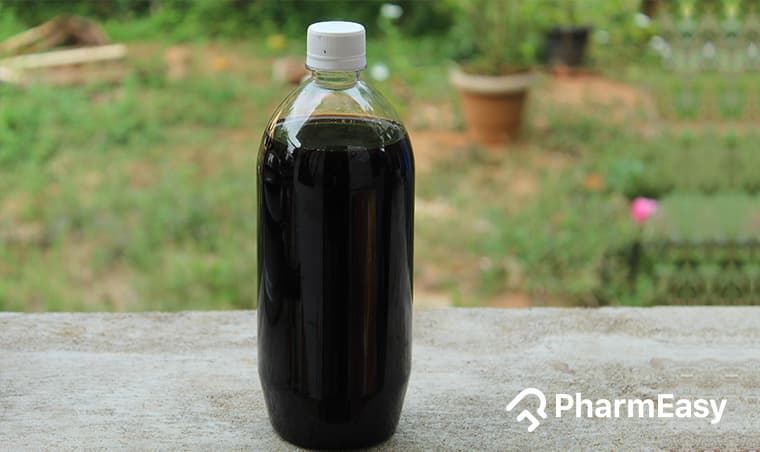
Vidangarishta, a fermented liquid Indian preparation, has been a cornerstone of Indian traditional medicine for centuries. Its primary ingredient, Vidanga (Embelia ribes), is renowned in Ayurveda for its potent anthelmintic (anti-worm) and digestive qualities. This potent concoction is prepared by fermenting a decoction of Vidanga and other herbs with a jaggery base, a process that enhances the bioavailability and therapeutic efficacy of the constituent herbs. Understanding the synergy of these ingredients is key to appreciating its wide-ranging benefits.
The Science Behind Vidangarishta: Uses and Benefits
Digestive Support and Gut Wellness
One of the most celebrated uses of Vidangarishta lies in its profound impact on gut wellness. The formulation is designed to stimulate digestive enzymes, improve appetite, and alleviate common gastrointestinal issues such as indigestion, bloating, gas, and abdominal pain. The carminative properties of Vidanga help to expel accumulated gas, providing significant relief. Its ability to enhance gut motility aids in regular bowel movements, preventing constipation. Research published in the Journal of Ethnopharmacology has highlighted the gastroprotective effects of Embelia ribes extracts, suggesting a scientific basis for these traditional claims.
What most people miss: Vidangarishta doesn't just mask symptoms; it works to correct the underlying imbalances in the digestive fire (Agni) according to Ayurvedic principles. This holistic approach ensures long-term gut wellness. So what does that mean for you? It means a potential solution for chronic digestive discomfort that goes beyond temporary relief.
Combating Worm Infestations
Vidangarishta is perhaps most famous for its efficacy against intestinal parasites. The anthelmintic properties of Vidanga are well-documented, making it a preferred remedy for various types of worm infections. These infections can lead to malnutrition, abdominal discomfort, and impaired growth, particularly in children.
Studies have indicated that Vidanga exhibits marked activity against roundworms and tapeworms, making it a safe and effective natural alternative to synthetic deworming agents. The Indian Council of Medical Research (ICMR) has supported research into traditional remedies for helminthic infections, acknowledging the potential of herbs like Vidanga.
Honestly, the prevalence of worm infestations in certain regions of India, often linked to sanitation and dietary habits, underscores the importance of such traditional remedies. Over 101 million Indians have diabetes (ICMR, 2023), but parasitic infections also represent a notable public health concern, especially in rural areas.
That alone changes everything.
Worms cause problems. They are a concern.
Liver Support and Detoxification
The liver makes a real difference in detoxification and metabolism. Vidangarishta, with its hepatoprotective constituents, aids in cleansing and rejuvenating the liver. It helps protect liver cells from damage caused by toxins and promotes the regeneration of liver tissue. This makes it beneficial in managing conditions like jaundice and fatty liver disease. The formulation assists the liver in processing toxins more efficiently, thereby supporting overall detoxification pathways in the body. Several studies, including those cited by the World Health Organization (WHO) on traditional medicine, point towards the liver-protective potential of herbal preparations containing Embelia ribes.
But why does this happen? The synergistic action of Vidanga with other herbs in the Arishta formulation helps neutralize free radicals and reduce oxidative stress on the liver. This protective effect is vital in today's environment, where exposure to pollutants and processed foods is commonplace. It shields your liver.
Respiratory Health Benefits
Interestingly, Vidangarishta also finds application in managing respiratory ailments. Its ingredients possess expectorant and bronchodilator properties, which support in clearing phlegm from the airways and easing breathing difficulties. It is often prescribed for conditions like cough, cold, asthma, and bronchitis.
The warming nature of the herbs in the formulation helps to liquefy mucus, making it easier to expel. This can be particularly helpful during the humid post-monsoon period when respiratory infections tend to increase.
Skin Health and Complexion
Ayurveda often links skin health to internal purity and proper digestion. By improving digestion and detoxifying the body, Vidangarishta indirectly contributes to clearer, healthier skin. Its anti-inflammatory and anti-microbial properties may also enable in managing certain skin conditions.
Here's where it gets interesting.
A radiant complexion, according to Ayurvedic philosophy, begins with a clean internal system. This traditional belief resonates with modern understanding of the gut-skin axis.
Weight Management Support
Vidangarishta can be a valuable adjunct in weight management programs. By improving metabolism and digestion, it helps the body process food more efficiently and reduces the accumulation of toxins (Ama). A better metabolic rate can contribute to burning calories more effectively. While not a magic bullet for weight loss, its role in improving digestion and reducing bloating can make individuals feel lighter and more energetic, supporting adherence to diet and exercise regimes. The International Diabetes Federation (IDF) highlights the link between obesity and metabolic disorders, making digestive health crucial.
Potential Side Effects and Precautions
While Vidangarishta is generally considered safe when used appropriately and under guidance, certain precautions are necessary. Due to its potent nature, it may cause mild gastrointestinal upset, such as nausea or abdominal discomfort, in sensitive individuals, especially if taken in large doses. It is not recommended for pregnant women or lactating mothers without consulting a healthcare professional.
People with pre-existing medical conditions, particularly those involving severe liver or kidney issues, should exercise caution. It is crucial to source Vidangarishta from reputable manufacturers to ensure quality and purity, as adulteration can lead to adverse effects.
Worth knowing: The fermentation process means it contains a small amount of naturally occurring alcohol, typically around 5-12%. While this is generally considered safe and part of the Indian preparation's efficacy, individuals who need to avoid alcohol entirely should discuss this with their doctor or Ayurvedic practitioner.
The dosage is critical; exceeding the recommended amount can increase the risk of side effects. A typical adult dose might range from 15-30 ml, taken twice daily after meals, but this can vary significantly based on individual constitution and the specific ailment being treated.
That alone changes everything.
So what does that mean for you? It means informed usage is paramount. Always seek professional advice to determine the correct dosage and duration of use for your specific wellness needs.
Children, especially those under 5, should generally not be given this preparation without expert guidance, given their sensitive digestive systems and the potential for stronger reactions. 5 billion people worldwide suffer from parasitic infections annually, highlighting the need for careful management, especially in vulnerable populations.
How to Use Vidangarishta Effectively
Vidangarishta is typically taken orally, usually diluted in an equal amount of water. The standard dosage for adults is around 15-30 ml, taken twice a day after meals. However, the exact dosage and duration of treatment depend on the individual's condition, age, and the severity of the ailment.
It is often recommended to continue the course for a specified period as advised by a qualified Ayurvedic practitioner to achieve optimal results. For instance, for worm infestations, a course might last several weeks.
When Meena started taking Vidangarishta, she followed her grandmother's advice: 20 ml mixed with water after her lunch and dinner. Within two weeks, her bloating subsided, and she felt significantly lighter. Her energy levels improved, and she could enjoy her meals again without discomfort.
Most people overlook this completely.
This personal experience mirrors the anecdotal evidence supporting Vidangarishta's effectiveness. Sitting on the floor for meals, a typical practice in many Indian households, can sometimes exacerbate digestive discomfort if digestion is sluggish, making remedies like Vidangarishta even more valuable.
Integrating Vidangarishta into Your Wellness Routine
Incorporating Vidangarishta into your wellness routine can be straightforward. It's best taken after meals to aid digestion. For those managing chronic digestive issues, consistency is key.
Remember, Ayurvedic treatments often work on a deeper, systemic level, so patience is a virtue. Combining it with a balanced diet, regular exercise, and adequate sleep will amplify its benefits. Consulting with an Ayurvedic doctor can support tailor its use to your specific doshic constitution (Vata, Pitta, Kapha) and health goals.
What to Expect and When to See a Doctor
Most individuals experience gradual improvement in their signs. Noticeable relief from digestive issues or reduced signs of parasitic infection might take a few weeks. , 4-6 weeks), or if you experience any severe adverse reactions like persistent vomiting, severe abdominal pain, or allergic reactions, seek immediate medical attention.
Always discuss its use with your healthcare provider, especially if you are on other medications or have underlying health conditions. The Lancet has published numerous articles on the importance of integrating traditional and modern medicine for better patient outcomes.
Most people overlook this completely.
Key Takeaways
- Vidangarishta is a fermented Indian preparation primarily known for its digestive and anthelmintic (anti-worm) properties.
- It aids in managing indigestion, bloating, gas, and constipation by stimulating digestive enzymes and improving gut motility.
- The formulation is successful against various intestinal parasites and supports liver health by promoting detoxification.
- Potential benefits extend to respiratory health, skin clarity, and supporting weight management efforts through improved metabolism.
- While generally safe, it may cause mild GI upset in some; consult a healthcare professional for appropriate dosage and contraindications.
Always consult a qualified physician before making any medical decisions.