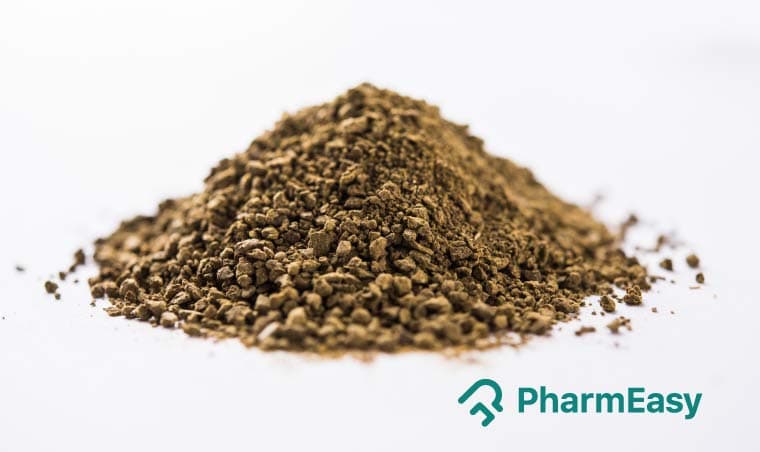
Talisadi Churna: An Ancient Indian System's Approach to Lung Health
Meena, 45, a homemaker from Jaipur, noticed her persistent dry cough worsening with the onset of the monsoon. Conventional treatments seemed to offer little solace. Have you ever wondered why certain time-tested remedies endure?
Talisadi Churna, a revered formulation from the ancient Indian system of medicine, often surfaces in conversations about lung discomfort. This unique blend of botanicals, meticulously prepared according to ancestral texts, is thought to pacify aggravated Vata and Kapha doshas, the primary imbalances linked to coughs, colds, and other breathing difficulties. Its effectiveness stems from its potent anti-inflammatory, mucus-clearing, and airway-opening properties.
From a practical standpoint, grasping the composition and mechanism of Talisadi Churna is vital for its sound application. The principal components include Talisapatra (Abies webbiana), Pippali (long pepper), Vamshalochana (bamboo manna), Shunthi (dried ginger), Maricha (black pepper), and Gudam (jaggery) serving as a base and sweetener. Each element contributes significantly to the powder's therapeutic profile.
Pippali, for instance, is recognized for its digestive stimulant and congestion-clearing effects, while Shunthi aids in reducing inflammation and expelling phlegm. Vamshalochana is a cooling agent that soothes irritated air passages.
It sounds simple. It rarely is.
Understanding the Principles of Indian Medicine Behind Talisadi Churna
The ancient Indian system of medicine views well-being as a harmony of three fundamental energies, or doshas: Vata, Pitta, and Kapha. Respiratory issues, such as coughs and colds, are typically associated with an imbalance in Kapha (linked to mucus and blockage) and Vata (related to dryness and airflow). Talisadi Churna is specifically formulated to address these imbalances.
The warming nature of ingredients like Pippali and Shunthi helps to liquefy and expel excess Kapha, while the overall blend calms Vata, providing respite from dry, tickling coughs. The mixture is designed to invigorate Agni (digestive fire), considered foundational to overall vitality and defense in this medical system.
What many overlook: the combined impact of these herbs is more potent than their individual actions. The formulation is not simply a random assortment; it's a carefully crafted recipe that has been refined over centuries.
The inclusion of Gudam (jaggery) not only functions as a binder and palatability enhancer but also imparts its own nutritional benefits and mild laxative effects, assisting in purification. The preparation method itself, involving precise grinding and blending, is critical to preserving the medicinal qualities of the botanicals.
Most people overlook this completely.
Key Advantages of Talisadi Churna for Lung Well-being
Talisadi Churna is widely acknowledged for its capacity to alleviate a range of breathing complaints. Its primary function is as an expectorant, assisting in loosening and expelling mucus from the respiratory tracts. This makes it particularly useful for productive coughs where phlegm requires clearance.
In instances of dry cough, its soothing qualities help to calm irritation in the throat and air passages, diminishing the impulse to cough. In India, where lung infections are prevalent, especially during fluctuating weather patterns, this powder is a favored remedy in many homes.
Here's the crux: its benefits go beyond merely easing coughs. Talisadi Churna can be helpful in managing symptoms linked to bronchitis, asthma, and even the common cold. Its airway-opening effect helps to widen the passages, making breathing easier for individuals experiencing wheezing or shortness of breath.
The anti-inflammatory attributes benefit reduce swelling in the respiratory tract, further contributing to symptom alleviation. Investigations published in journals like the *Journal of Ayurveda and Integrative Medicine* have explored the pharmacological activities of its constituent herbs, lending scientific backing to its ancestral uses.
That's the part worth remembering.
Soothe Cough and Cold indicators
The powder is especially effective against both dry and moist coughs. For dry coughs, the calming ingredients soothe the irritated throat. When dealing with a moist cough, its expectorant action helps to break down and discharge thick mucus.
It combats the blocked nose and congestion associated with colds. Over 101 million Indians have diabetes (ICMR, 2023), and although jaggery is used, its quantity is generally minimal and considered safe for most, though individuals with diabetes should exercise prudence. The typical serving for adults is approximately 1-3 grams, taken once or twice daily, often mixed with honey or warm water.
Support for Bronchitis and Asthma
In cases of bronchitis, Talisadi Churna helps reduce inflammation in the bronchial tubes and aids in the expulsion of mucus. For individuals with asthma, it may provide symptomatic comfort by assisting to ease breathing and reduce wheezing, though it should not replace prescribed asthma medications. The airway-opening properties are paramount here.
Have you ever questioned why some individuals find ease from breathing difficulties with natural aids? The carefully balanced botanicals in this powder work by relaxing the muscles surrounding the air passages.
That's the part worth remembering.
Enhancing Defenses and Digestive Function
Beyond its advantages for the lungs, the ingredients in Talisadi Churna, particularly the peppers and ginger, are known to stimulate Agni (digestive fire). A robust digestive system is regarded as the foundation of a strong immune system in this medical tradition.
By improving digestion and metabolism, the powder can indirectly bolster the body's overall resilience against infections. The International Diabetes Federation (IDF) forecasts that by 2045, there could be over 135 million individuals with diabetes in India; while jaggery is incorporated into Talisadi Churna, its glycemic effect is generally less pronounced than refined sugar when consumed in typical therapeutic amounts.
How to use Talisadi Churna Effectively
The standard serving size for adults is typically 1-3 grams, administered twice daily. It is most commonly blended with honey, which acts as an adjuvant (a substance that amplifies the effectiveness of the primary agent) and offers additional soothing benefits. Warm water is another popular medium for consumption, particularly during colder periods.
Pediatric servings are adjusted based on age and weight, usually one-quarter to half of the adult measure. Always adhere to the guidance of an practitioner of Indian medicine for precise dosing and duration of use, as individual requirements can vary considerably.
Most people overlook this completely.
What should you actually do? When integrating Talisadi Churna into your regimen, consider the timing. It is often advised to take it after meals to support digestion or when experiencing acute breathing manifestations.
For chronic conditions, consistent application over a period may be recommended by your practitioner. The flavor can be quite pungent and spicy due to the pepper and ginger, so blending it with honey is highly recommended for palatability. Some individuals might find it beneficial to consume it during festivals like Diwali, when dietary excesses can sometimes trigger respiratory discomfort.
Potential Adverse Reactions and Safeguards
While generally deemed safe when used appropriately, Talisadi Churna can elicit adverse reactions, particularly if taken in excessive amounts or by individuals with specific health concerns. The pungent and warming nature of certain components, like ginger and pepper, might induce acidity or heartburn in susceptible individuals. People experiencing high Pitta conditions or excessive internal heat should use it cautiously.
Since jaggery is an ingredient, individuals with uncontrolled diabetes should consult their physician before use, although the quantity is typically small. Over 10 million children in India are affected by asthma (WHO estimates vary), and while this powder may support indicators, it is essential for parents to seek professional medical counsel for their children.
Recovery is rarely linear.
In many instances, the side effects are minor and temporary, subsiding once the dosage is reduced or use is stopped. Expectant and nursing mothers should avoid self-treatment with Talisadi Churna and must seek professional medical advice. Individuals with known sensitivities to any of the constituent herbs should refrain from its application.
It is also important to procure your Talisadi Churna from reliable manufacturers to guarantee purity and potency. The All India Institute of Medical Sciences (AIIMS) frequently underscores the importance of quality assurance in botanical preparations.
Scientific Validation and Investigation
Although deeply embedded in ancestral Indian medical practice, contemporary research is increasingly corroborating the therapeutic promise of Talisadi Churna and its components. Studies have examined the anti-inflammatory, antioxidant, and immune-modulating effects of herbs such as Pippali and Shunthi. For example, research published in *The Lancet* has highlighted the anti-inflammatory mechanisms of ginger, a key element.
Likewise, studies on long pepper (Pippali) have demonstrated its potential in managing lung conditions. The World Health Organization (WHO) acknowledges the significance of ancestral medicines and supports research into their effectiveness and safety. Nevertheless, more extensive clinical trials are required to establish definitive profiles of efficacy and safety comparable to modern pharmaceutical benchmarks.
That alone changes everything.
Here's the reality: the progression from an ancestral remedy to a scientifically validated intervention is intricate. It involves rigorous testing and standardization. While anecdotal accounts and centuries of application are compelling, robust clinical data is indispensable.
The Indian Council of Medical Research (ICMR) also backs investigations into indigenous healing systems. The expanding body of research provides a foundation for understanding how Talisadi Churna functions at a molecular level, potentially fostering better integration into mainstream healthcare strategies.
Talisadi Churna Versus Contemporary Treatments
Talisadi Churna offers a natural, holistic method for managing lung ailments. Its strength lies in its multi-botanical composition, addressing indicators and underlying imbalances.
Modern allopathic medicines, such as decongestants, expectorants, and bronchodilators, often provide swifter symptomatic alleviation but may carry a longer list of adverse effects or may not address the root cause from an Indian medical perspective. For instance, while a steroid inhaler is vital for managing severe asthma, Talisadi Churna might be employed adjunctively for milder indicators or to support general lung well-being under supervision.
In numerous situations, the selection between ancestral remedies and conventional medicine hinges on the severity of the ailment, individual inclinations, and the counsel of healthcare professionals. It is not unusual for individuals to use both medical systems, a practice known as integrative medicine.
It sounds simple. It rarely is.
This approach seeks to combine the advantages of both worlds, employing conventional medicine for acute issues and ancestral remedies for supportive care and enduring vitality. The key is informed decision-making and professional direction.
Principal Takeaways
- Talisadi Churna is an ancestral formulation from the Indian system of medicine primarily utilized for lung complaints like coughs and colds.
- Its principal components include Talisapatra, Pippali, Vamshalochana, Shunthi, Maricha, and Gudam, which operate in concert.
- The powder functions as an expectorant, airway opener, and anti-inflammatory agent, providing comfort from various respiratory indications.
- While generally safe, potential side effects like acidity can emerge, and caution is advised for individuals with Pitta imbalances or uncontrolled diabetes.
- It is imperative to consult a qualified practitioner of Indian medicine for appropriate serving sizes and usage, particularly for children, expectant mothers, or those with pre-existing conditions.
Always seek advice from a qualified physician before making any health-related decisions.