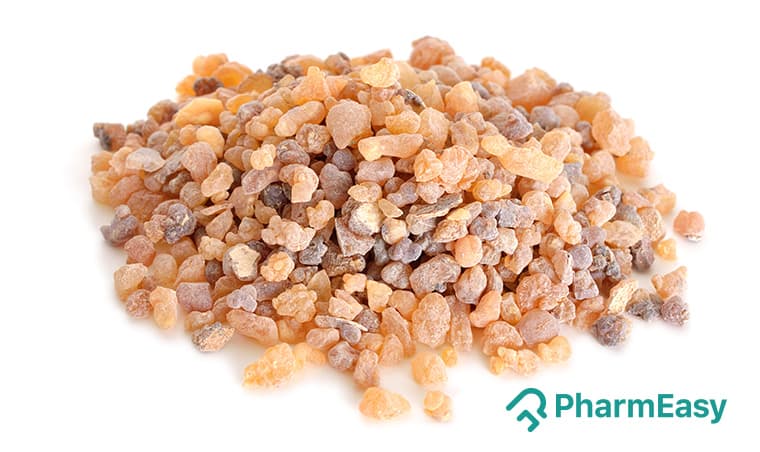
Shallaki (Boswellia Serrata): An Ayurvedic Ally for Joint Health
Meena, 45, a homemaker from Jaipur, experienced a persistent ache in her knees that worsened with the monsoon rains. Climbing stairs became difficult, and sitting on the floor during family gatherings caused significant discomfort. Like many in India, she initially dismissed it as normal wear and tear. However, the pain intensified, greatly impacting her daily life.
After consulting her local physician and exploring traditional remedies, she learned about Shallaki, also known as Boswellia serrata. This ancient herb is celebrated in Ayurveda for its powerful anti-inflammatory properties. This potent resin has been a cornerstone of traditional Indian medicine for centuries, offering a natural path to managing joint pain and swelling.
Often, the search for relief from chronic joint discomfort leads people to explore time-tested botanical solutions. Shallaki stands out as a prime example. Its active compounds, particularly boswellic acids, show major therapeutic potential. These compounds are believed to work by blocking inflammatory pathways in the body, providing a natural option or supplement to standard treatments.
What most people overlook: the profound impact that natural compounds can have when used wisely under expert guidance. The global prevalence of joint disorders is concerning; the World Health Organization (WHO) estimates that musculoskeletal conditions affect over a billion people worldwide. In India, issues like osteoarthritis and rheumatoid arthritis are particularly common, with studies indicating a high disease burden across various age groups.
That's the part worth remembering.
Understanding Shallaki (Boswellia Serrata)
Shallaki comes from the resin of the Boswellia serrata tree, which is native to India and parts of Africa. This aromatic resin, often called "Indian Frankincense," has a rich history in Ayurvedic texts. It is praised for its ability to balance 'Vata' and 'Kapha' doshas, thereby easing joint pain, swelling, and stiffness.
The main active components responsible for its therapeutic effects are a group of triterpene acids, known collectively as boswellic acids (including beta-boswellic acid, acetyl-beta-boswellic acid, 11-keto-beta-boswellic acid, and acetyl-11-keto-beta-boswellic acid). These compounds are thought to inhibit key inflammatory enzymes like 5-lipoxygenase (5-LOX), a critical factor in the inflammatory process associated with conditions like arthritis.
The effectiveness of Shallaki is increasingly recognized beyond traditional practices. Research published in respected journals like The Lancet has highlighted the anti-inflammatory and pain-relieving properties of boswellia extracts. For example, studies indicate that boswellic acids can lower levels of pro-inflammatory cytokines (such as TNF-alpha and IL-6) and matrix metalloproteinases (MMPs), enzymes that break down cartilage. This dual action—reducing inflammation and protecting joint tissues—makes Shallaki a compelling choice for individuals experiencing various joint ailments.
Benefits of Shallaki for Joint Health
The advantages of Shallaki primarily stem from its strong anti-inflammatory and pain-relieving effects, making it especially helpful for:
- Osteoarthritis (OA): This is arguably the most studied use of Shallaki. Numerous clinical trials have shown its capacity to reduce pain and enhance physical function in individuals with knee osteoarthritis. A meta-analysis in the *Journal of Ethnopharmacology* found that boswellia extracts significantly improved pain scores and physical function compared to a placebo. In many instances, patients report a noticeable decrease in stiffness, particularly in the morning.
- Rheumatoid Arthritis (RA): While RA is an autoimmune condition, inflammation is a central issue. Shallaki's ability to modulate the immune response and reduce inflammation suggests it could be a beneficial add-on therapy. Some research indicates it may help lessen joint swelling and tenderness associated with RA.
- Other Inflammatory Conditions: Beyond arthritis, Shallaki's anti-inflammatory action might benefit other conditions involving inflammation, such as inflammatory bowel disease (IBD), asthma, and certain skin issues. However, research in these areas is less extensive than for its use in joint health.
- Pain Relief: The pain-relieving qualities of boswellic acids contribute to notable pain reduction, often allowing individuals to decrease their use of conventional pain medications. This is particularly appealing for those seeking natural pain management approaches.
- Improved Joint Mobility: By reducing swelling and pain, Shallaki can lead to better joint flexibility and a wider range of motion, making daily tasks easier. This is precisely what Meena observed after consistently using Shallaki supplements.
How Does Shallaki Work?
But why does this effect occur? The mechanism of action is mainly linked to the boswellic acids present in the resin. These compounds specifically block the 5-LOX enzyme.
Unlike NSAIDs (Non-Steroidal Anti-Inflammatory Drugs), which affect both COX-1 and COX-2 enzymes (potentially causing stomach issues), boswellia mainly targets the 5-LOX pathway. This pathway is vital for producing leukotrienes, potent inflammatory substances that contribute to joint swelling, pain, and cartilage breakdown. By inhibiting leukotriene production, Shallaki effectively reduces the inflammatory response within the joints.
Additionally, research suggests that boswellic acids may also inhibit other inflammatory signals, including cytokines like TNF-alpha and interleukins, which are involved in the development of various inflammatory diseases. Some studies even hint at a potential role in protecting cartilage from enzymatic damage by blocking MMPs.
This is where most people struggle.
This multifaceted approach to controlling inflammation sets Shallaki apart from many other natural remedies.
Incorporating Shallaki into Your Routine
So, what steps should you take? Shallaki is typically available as a supplement, commonly in capsule or tablet form containing standardized Boswellia serrata extracts.
Dosages can differ based on the concentration of boswellic acids in the extract and the specific situation being addressed. It is vital to follow the manufacturer's dosage instructions or, ideally, consult with an Ayurvedic practitioner or a healthcare professional.
When considering Ayurvedic herbs, cultural context often plays a part. In India, the use of such remedies is deeply embedded, passed down through generations.
Many families still favor traditional methods, especially for long-term conditions, believing in Ayurveda's holistic philosophy. Whether taken with warm water after meals or as part of a broader Ayurvedic plan, integrating Shallaki should be a deliberate choice aimed at enhancing your overall health strategy.
It's worth noting: The quality of Shallaki supplements can vary considerably. Look for products that state the percentage of boswellic acids (often standardized to 30-65%). Reputable brands frequently use third-party testing to ensure purity and strength.
Given that over 101 million Indians have diabetes (ICMR, 2023), managing related health issues and potential medication interactions is crucial. Always discuss any new supplement with your doctor, especially if you are taking other medicines or have existing health problems.
This is where most people struggle.
Potential Side Effects and Precautions
Honestly, while Shallaki is generally considered safe for most individuals when used properly, some people might experience minor side effects. These can include digestive issues like nausea, diarrhea, heartburn, and stomach discomfort. A few reports suggest a possibility of allergic reactions in sensitive individuals.
Precautions:
- Pregnancy and Breastfeeding: There is not enough reliable information regarding the safety of using Shallaki during pregnancy and breastfeeding. It is best to avoid its use during these times.
- Bleeding Disorders: Shallaki might slow down blood clotting. If you have a bleeding disorder or are taking anticoagulant or antiplatelet medications (such as warfarin or aspirin), consult your doctor before using Shallaki.
- Surgery: Because it may affect blood clotting, it is advisable to stop taking Shallaki at least two weeks before any scheduled surgery.
- Medication Interactions: Shallaki could interact with certain medications, including those affecting liver enzymes (like some antidepressants or antipsychotics) and NSAIDs. Always inform your healthcare provider about all supplements you are taking.
The Indian Council of Medical Research (ICMR) consistently emphasizes the importance of evidence-based practices. While Shallaki has strong traditional roots and increasing scientific support, it is not a replacement for conventional medical care. If your symptoms are severe or ongoing, seeking professional medical advice is essential.
Scientific Evidence and Research
The scientific validation of Shallaki's benefits is growing. A study published in *Phytomedicine* showed that a specific extract of Boswellia serrata (branded as 5-LOXIN®) provided notable relief from osteoarthritis pain and improved joint function within just five days, with lasting benefits over 30 days.
The International Diabetes Federation (IDF) estimates that India may have the second-highest number of diabetics globally by 2030, underscoring the rising burden of chronic diseases that require effective management strategies, including those for associated joint discomfort.
This is where most individuals struggle.
Another notable finding comes from research conducted at the All India Institute of Medical Sciences (AIIMS), which has investigated the anti-inflammatory potential of various Indian herbs, including Boswellia serrata, for managing chronic inflammatory conditions. Their work frequently highlights the importance of standardized extracts and rigorous clinical trials to confirm efficacy and safety.
The global market for herbal supplements is expanding rapidly, with Boswellia serrata being a considerable contributor, reflecting growing consumer interest in natural health solutions.
Honestly, the path from traditional knowledge to scientifically proven treatments is lengthy but rewarding. Shallaki's story exemplifies the lasting wisdom of Ayurveda and its potential to offer successful answers for modern health challenges.
Its capacity to target inflammation at a molecular level, combined with a generally good safety profile (when used correctly), makes it a valuable addition to the array of natural therapies for joint health.
Key Takeaways
- Shallaki (Boswellia serrata) is an Ayurvedic herb recognized for its strong anti-inflammatory and pain-relieving qualities, primarily used for joint pain and arthritis.
- Its active components, boswellic acids, function by inhibiting the 5-LOX enzyme pathway, thereby reducing the production of inflammatory mediators like leukotrienes.
- Clinical studies back its effectiveness in managing osteoarthritis, decreasing pain, stiffness, and improving joint function.
- While generally safe, potential side effects include mild digestive upset. Precautions are recommended for pregnant/nursing individuals, those with bleeding issues, and before surgery.
- Always consult a qualified physician before making any medical decisions.
Always consult a qualified physician before making any medical decisions.