Punarnavadi Mandoor: An Ayurvedic Powerhouse for Holistic Wellness
Meena, 45, a homemaker from Jaipur, noticed persistent swelling in her legs, particularly after long hours of standing. Coupled with a general feeling of sluggishness and occasional digestive discomfort, she sought relief beyond conventional medicine.
Her search led her to explore traditional Ayurvedic remedies, and Punarnavadi Mandoor emerged as a promising option. This ancient formulation, deeply rooted in Indian heritage, has been used for centuries to address a spectrum of wellness concerns, from fluid retention to inflammatory issues.
Worth knowing: Ayurveda, a holistic healing system originating in India over 5,000 years ago, emphasizes balancing the body, mind, and spirit. It views wellness as a state of equilibrium and illness as a manifestation of imbalance. Punarnavadi Mandoor is a prime example of how potent herbal combinations are crafted to restore this balance.
What is Punarnavadi Mandoor?
Punarnavadi Mandoor is a classical Ayurvedic medicine, primarily known for its diuretic and anti-inflammatory properties. The name itself offers clues to its composition: 'Punarnava' (Boerhavia diffusa) is the star ingredient, renowned for its ability to reduce swelling and improve kidney function.
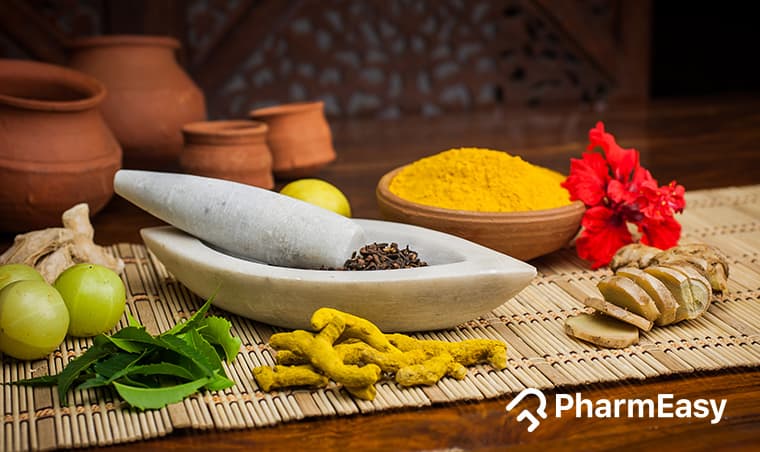
'Mandoor' refers to purified iron, which, when processed with herbs, becomes highly bioavailable and offers numerous wellness benefits, including improving strength and addressing anemia. The formulation typically includes a synergistic blend of several other herbs, such as Shunthi (ginger), Maricha (black pepper), Pippali (long pepper) – collectively known as Trikatu – and Dashamoola, a group of ten roots with potent anti-inflammatory actions.
That alone changes everything.
The preparation process itself is meticulous, involving the simmering of herbs and minerals in a specific sequence to enhance their therapeutic efficacy. This careful crafting ensures that the final product is not just a collection of ingredients but a potent therapeutic agent.
The reality is, the effectiveness of Ayurvedic formulations often lies in this intricate preparation and the synergistic action of multiple herbs.
Key Benefits and Uses of Punarnavadi Mandoor
Punarnavadi Mandoor is revered in Ayurveda for its wide-ranging therapeutic applications. Its primary actions target fluid balance and inflammation, making it particularly useful in several situations.
1. Edema (Swelling) Management
One of the most well-documented uses of Punarnavadi Mandoor is in managing edema, or fluid retention. The diuretic action of Punarnava helps the body eliminate excess fluid, thereby reducing swelling in the legs, ankles, and abdomen.
This is particularly beneficial for individuals experiencing swelling due to kidney issues, heart problems, or liver dysfunction. The diuretic effect is significant; studies suggest herbs like Punarnava can increase urine output by up to 20%.
It sounds simple. It rarely is.
2. Anti-inflammatory Properties
Inflammation is at the root of many chronic diseases. Punarnavadi Mandoor, with ingredients like Dashamoola and ginger, possesses potent anti-inflammatory properties.
It helps calm inflammatory pathways in the body, offering relief from issues like arthritis, joint pain, and muscular aches. Its ability to reduce inflammation can be a marked advantage in managing chronic pain situations.
Think about it this way: Imagine inflammation as a fire within the body. Punarnavadi Mandoor acts like a coolant, helping to douse that fire and restore normalcy.
3. Digestive Health and Metabolism
The inclusion of Trikatu (ginger, black pepper, long pepper) in the formulation significantly boosts digestive fire (Agni). This improves digestion, enhances nutrient absorption, and helps alleviate symptoms like indigestion, bloating, and gas.
A healthy metabolism is crucial for overall well-being, and Punarnavadi Mandoor supports this by optimizing digestive functions. Over 101 million Indians have diabetes (ICMR, 2023), and addressing metabolic health is paramount.
4. Liver Support
The liver plays a vital role in detoxification and metabolism. Punarnavadi Mandoor is known to support liver function and protect it from damage. It aids in the elimination of toxins and can be beneficial in addressing liver disorders, including fatty liver disease. Its hepatoprotective action is a key reason for its widespread use.
It sounds simple. It rarely is.
5. Anemia and Iron Deficiency
The 'Mandoor' component, purified iron, is a crucial element in treating anemia. Iron is essential for red blood cell production, and its deficiency leads to fatigue and weakness.
Punarnavadi Mandoor helps replenish iron stores, thereby improving hemoglobin levels and combating the manifestations of anemia. Iron deficiency affects an estimated 50% of women of reproductive age in India.
6. Respiratory Health
While not its primary use, the warming properties of ingredients like ginger and pepper can help in addressing respiratory issues like coughs and colds by clearing congestion and reducing inflammation in the airways.
How to Use Punarnavadi Mandoor
The dosage of Punarnavadi Mandoor can vary depending on the individual's situation, age, and the severity of the ailment. It is typically available in tablet or powder form. Standard dosages often range from 1 to 2 tablets (or 1/2 to 1 teaspoon of powder) taken twice daily.
Practically speaking, it is usually consumed after meals with warm water, cow's milk, or buttermilk. The choice of adjuvant (Anupana) can further enhance its therapeutic effect. For instance, taking it with milk can be beneficial for those with Vata imbalances, while buttermilk might be preferred for Kapha issues.
It is crucial to follow the dosage prescribed by a qualified Ayurvedic practitioner. Self-medication can lead to unintended consequences. Remember, just like the diverse dietary habits during festivals like Diwali, individual wellness needs vary significantly.
This is where most patients struggle.
Potential Side Effects and Precautions
Punarnavadi Mandoor is generally considered safe when taken in recommended doses under professional guidance. However, like any medicine, it can have side effects, especially if misused or taken in excess.
- Digestive Upset: Some individuals might experience mild stomach irritation, acidity, or nausea, particularly if taken on an empty stomach.
- Dryness: Due to its heating nature, excessive use might lead to dryness in the body.
- Contraindications: It is generally not recommended during pregnancy and breastfeeding without explicit medical advice.
- Iron Overload: While rare with standard doses, individuals with situations prone to iron overload should use it cautiously.
sufferers with pre-existing medical issues, particularly those involving the heart, kidneys, or liver, should consult their doctor before starting Punarnavadi Mandoor. Interactions with other medications are possible, underscoring the importance of professional consultation.
So what does this mean for you? It means always prioritizing safety and informed decision-making.
But why does this happen? The body is a complex system, and introducing potent herbal and mineral combinations requires careful consideration of individual physiology and existing wellness status. What works wonders for one person might need adjustment for another.
Punarnavadi Mandoor in the Context of Indian Healthcare
In India, Ayurvedic medicines like Punarnavadi Mandoor are widely accepted and integrated into healthcare practices. Institutions like the All India Institute of Medical Sciences (AIIMS) and the Indian Council of Medical Research (ICMR) have ongoing research into traditional Indian medicine, seeking to validate and understand the mechanisms behind these ancient remedies.
Organizations like the World Health Organization (WHO) also acknowledge the importance of traditional medicine in healthcare systems globally.
The cultural significance of Ayurveda in India cannot be overstated. From daily wellness practices to therapeutic interventions, it remains a cornerstone of wellness for millions.
Many families continue traditional floor sitting, a practice that can be exacerbated by issues like edema, making remedies like Punarnavadi Mandoor particularly relevant. The Lancet has published several studies highlighting the potential of Ayurveda in addressing chronic diseases, further bolstering its credibility.
The numbers don't lie.
The IDF Diabetes Atlas 2021 reported over 96 million adults living with diabetes in India, a number projected to rise significantly. This highlights the growing need for effective, accessible healthcare solutions, including those offered by traditional systems like Ayurveda.
Punarnavadi Mandoor, with its focus on metabolic health and inflammation, could play a role in a holistic approach to addressing such prevalent situations.
Key Takeaways
- Punarnavadi Mandoor is a classical Ayurvedic formulation known for its diuretic and anti-inflammatory properties.
- It is highly successful in addressing edema (swelling) and reducing fluid retention.
- The formulation supports digestive health, boosts metabolism, and offers hepatoprotective benefits.
- It also plays a role in treating anemia due to its purified iron content.
- Always consult a qualified Ayurvedic practitioner for appropriate dosage and usage.
Always consult a qualified physician before making any medical decisions.