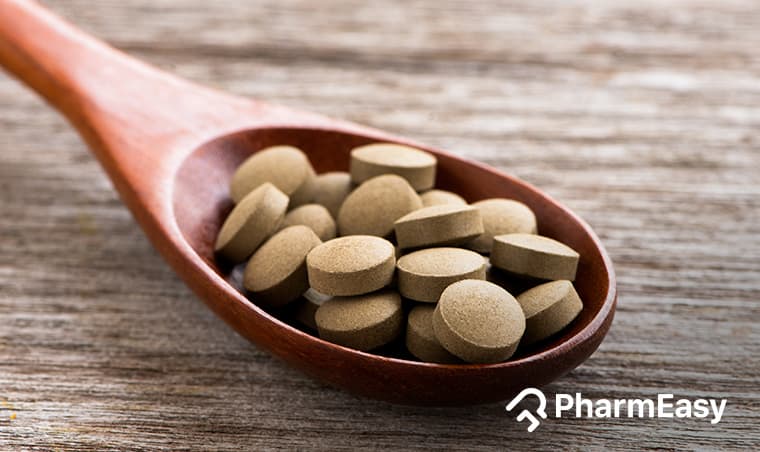
Prabhakar Vati: A Traditional Ayurvedic Remedy for Cardiac Well-being
Meena, 45, a homemaker from Jaipur, experienced a persistent, dull ache in her chest, alongside occasional palpitations and breathlessness. Her family physician recommended several lifestyle adjustments and medications.
However, Meena, deeply connected to traditional Indian practices, sought an Ayurvedic perspective. Her practitioner suggested Prabhakar Vati, a well-established preparation recognized for its potential cardiac benefits.
Prabhakar Vati, a respected Ayurvedic medicine, has been utilized for centuries to bolster cardiovascular function. Its distinctive fusion of potent botanicals and minerals aims to strengthen the cardiac muscle, regulate its rhythm, and enhance overall circulatory flow.
This potent mixture is particularly valued for addressing conditions related to the chest and lungs.
Understanding Prabhakar Vati
The composition of Prabhakar Vati showcases the profound knowledge of Ayurvedic pharmacology. It typically features a synergistic blend of components, each selected for its specific therapeutic action. Key constituents often include:
Most people overlook this completely.
- Abhrak Bhasma: A calcined mica compound, thought to offer rejuvenating and fortifying effects for the heart.
- Purified Arjuna (Terminalia arjuna): This celebrated herb, extensively researched for its cardiotonic properties, helps to tone the cardiac muscle and improve its pumping efficiency.
- Purified Shatavari (Asparbus racemosus): Known for its adaptogenic and cooling qualities, it aids in managing stress and inflammation.
- Purified Ashwagandha (Withania somnifera): Another potent adaptogen, it assists in reducing stress and anxiety, which can indirectly benefit cardiac wellness.
- Purified Bhallataka (Semecarpus anacardium): Used with caution and in specific preparations, it is believed to positively influence circulation.
- Ghee (Clarified Butter): Frequently employed as a carrier, it aids in the absorption and effectiveness of other constituents.
- Honey: Another common carrier that facilitates absorption and contributes its own therapeutic advantages.
The exact ratios and preparation methods are critical and differ among Ayurvedic manufacturers, following classical texts like the Bhaishajya Ratnavali. In essence, the combination is crafted to provide a holistic approach to cardiac care.
Potential Uses and Benefits of Prabhakar Vati
Prabhakar Vati is primarily recommended for various cardiac ailments and associated respiratory issues. Its purported advantages arise from its capacity to address the fundamental causes of many cardiac conditions, according to Ayurvedic principles.
Cardiac Support
The most prominent application of Prabhakar Vati is its function as a cardiotonic. It is believed to fortify the cardiac muscle (myocardium), enhance its contractility, and elevate its ability to efficiently circulate blood throughout the body. This makes it a valuable aid in managing conditions such as:
- Heart Failure: By augmenting the heart's pumping capacity.
- Palpitations and Arrhythmias: Assisting in regulating irregular cardiac beats.
- Angina Pectoris: Potentially alleviating chest discomfort linked to reduced cardiac blood supply.
Research, though often preliminary and requiring more extensive clinical investigation, has examined the potential of individual ingredients like Arjuna. Studies indicate Arjuna may help lower blood pressure and cholesterol levels, two major risk factors for cardiac disease. For instance, a meta-analysis published in the International Journal of Ayurveda Research reported positive impacts of Arjuna on cardiovascular wellness markers.
Blood Pressure Regulation
Elevated blood pressure, or hypertension, is a silent threat affecting millions globally. 4 billion people worldwide live with hypertension, according to the World Health Organization (WHO).
Prabhakar Vati is thought to assist in managing blood pressure by promoting vasodilation (the widening of blood vessels) and improving blood flow. Its diuretic properties might also contribute to reducing fluid retention, thereby lowering pressure.
Cholesterol Management
High cholesterol levels represent another significant contributor to cardiovascular disease. Certain Ayurvedic texts suggest Prabhakar Vati can aid manage lipid profiles by diminishing cholesterol absorption and encouraging its elimination. While conventional treatments are paramount, Ayurvedic preparations may offer supplementary support.
This is where most patients struggle.
Respiratory Health
Notably, Prabhakar Vati is also used for specific respiratory ailments, particularly those linked to cardiac weakness. It is believed to benefit ease symptoms like cough, shortness of breath, and fluid buildup in the lungs (pulmonary edema) when these stem from cardiac dysfunction.
The included herbs are thought to possess expectorant and bronchodilatory effects.
General Vitality and Rejuvenation
As a Rasayana (rejuvenating) preparation in Ayurveda, Prabhakar Vati is also considered to impart overall robustness and vitality. It is believed to combat fatigue and enhance stamina, contributing to a better quality of life for individuals experiencing general weakness, especially those recovering from illness.
How Prabhakar Vati Works (Ayurvedic Perspective)
From an Ayurvedic viewpoint, cardiac issues often arise from an imbalance in the Pitta and Kapha doshas, along with impaired Prana Vayu (a sub-dosha of Vata governing vital functions including the heart) and weakened Ojas (vital life force). Prabhakar Vati is formulated to:
- Balance Doshas: Constituents like Arjuna benefit pacify aggravated Pitta and Kapha.
- Strengthen Hridaya (Heart): Herbs and bhasmas nourish the cardiac muscle and its energetic pathways.
- strengthen Circulation: By promoting smooth blood flow and clearing obstructions.
- Reduce Ama: By aiding detoxification and clearing metabolic waste.
The combination aims to restore the heart's natural rhythm and function, promoting longevity and well-being. It's important to know: The effectiveness of Ayurvedic medicines is often understood through a combination of their biochemical actions and their ability to harmonize the body's intrinsic energies.
Dosage and Administration
The appropriate dosage of Prabhakar Vati is highly personalized and depends on factors such as the patient's age, the severity of the ailment, and their digestive capacity (Agni). Typically, it is administered in tablet or powder form.
Here's where it gets interesting.
- Standard Dosage: Usually, 1-2 tablets (equivalent to 125-250 mg) are taken twice daily.
- Anupana (Vehicle): It is often consumed with honey, ghee, or lukewarm water. The choice of Anupana can enhance the therapeutic effect. For example, taking it with honey might be beneficial for Kapha-related issues, while ghee could be preferred for Vata imbalances.
Following the specific guidance from a qualified Ayurvedic practitioner is crucial. Self-treatment is strongly discouraged, particularly for serious conditions like cardiac disease. What should you actually do? Always seek professional guidance before commencing any new intervention, including Prabhakar Vati.
Potential Side Effects and Precautions
While Prabhakar Vati is generally considered safe when used under expert guidance, certain precautions and potential adverse effects warrant consideration. The presence of ingredients like Purified Bhallataka necessitates careful preparation and administration to prevent toxicity.
- Digestive Issues: Some individuals might experience mild stomach upset, acidity, or constipation.
- Allergic Reactions: Although uncommon, allergic responses to any of the botanical components are possible.
- Bhasma Content: Preparations containing bhasmas (mineral/metallic compounds) require stringent quality control to ensure they are free from heavy metal contamination. Reputable manufacturers adhere to strict quality standards, often certified by bodies like the Indian Pharmacopoeia Commission (IPC) for quality assurance.
Who Should Avoid Prabhakar Vati?
Certain individuals should exercise caution or refrain from using Prabhakar Vati:
- Pregnant and Lactating Women: Due to a lack of sufficient safety data.
- Individuals with Severe Kidney or Liver Impairment: As these organs are involved in metabolizing and eliminating substances.
- Those on Specific Medications: Particularly anticoagulants or cardiac drugs, due to potential interactions.
But why does this happen? Ayurvedic medicines, though natural, can exert potent physiological effects and may interact with conventional drugs. It is imperative to disclose all supplements and medications you are currently taking to your physician.
Interactions with Other Medications
Prabhakar Vati may potentially interact with certain conventional medications. If you are taking:
- Anticoagulants (e.g., Warfarin): Some herbs within Prabhakar Vati might possess mild blood-thinning properties, potentially increasing bleeding likelihood.
- Antihypertensives: It might amplify the effect of blood pressure-lowering drugs, leading to hypotension (low blood pressure).
- Diuretics: The combination could result in excessive fluid and electrolyte loss.
Always discuss your complete medication regimen with your healthcare provider before initiating Prabhakar Vati. The integration of Ayurvedic treatments with conventional medicine must be carefully managed by a physician.
That alone changes everything.
Quality and Authenticity
Ensuring the quality and authenticity of Ayurvedic medicines like Prabhakar Vati is of utmost importance. Counterfeit or inferior products can be ineffective or even detrimental. Look for:
- Reputable Brands: Select products from well-established Ayurvedic manufacturers known for their adherence to Good Manufacturing Practices (GMP).
- Clear Labelling: The product should clearly state all ingredients, manufacturing date, expiry date, and batch number.
- Certifications: Seek certifications from relevant regulatory bodies or quality assurance programs.
The International Diabetes Federation (IDF) highlights the escalating prevalence of diabetes in India, a condition frequently linked with cardiovascular issues. While Prabhakar Vati is not a direct diabetes therapy, managing overall wellness, including cardiac function, is crucial for individuals with or at danger of diabetes.
The Indian Context
In India, where Ayurveda has been practiced for millennia, preparations like Prabhakar Vati are deeply embedded in the healthcare system. Many families continue to rely on these traditional remedies, often passed down through generations.
The custom of sitting on the floor, prevalent in many Indian households, can sometimes place additional strain on the circulatory system, making cardiac well-being a pertinent concern. Festivals, often accompanied by rich diets, can further challenge metabolic and cardiac health, underscoring the need for supportive therapies.
The emphasis on holistic healing in Ayurveda resonates with many Indians seeking natural and time-tested approaches to wellness. Prabhakar Vati embodies this rich heritage, offering a time-honoured solution for cardiac ailments.
Most people overlook this completely.
Key Takeaways
- Prabhakar Vati is a classical Ayurvedic preparation primarily used to support cardiac well-being.
- It contains ingredients like Arjuna, Abhrak Bhasma, and Shatavari, recognized for their cardiotonic and circulatory benefits.
- Potential applications include managing heart failure, palpitations, angina, and supporting blood pressure and cholesterol levels.
- While generally safe, it requires expert supervision due to possible side effects and interactions with conventional medications.
- Always consult a qualified Ayurvedic practitioner and inform your physician before use.
Always consult a qualified physician before making any medical decisions.