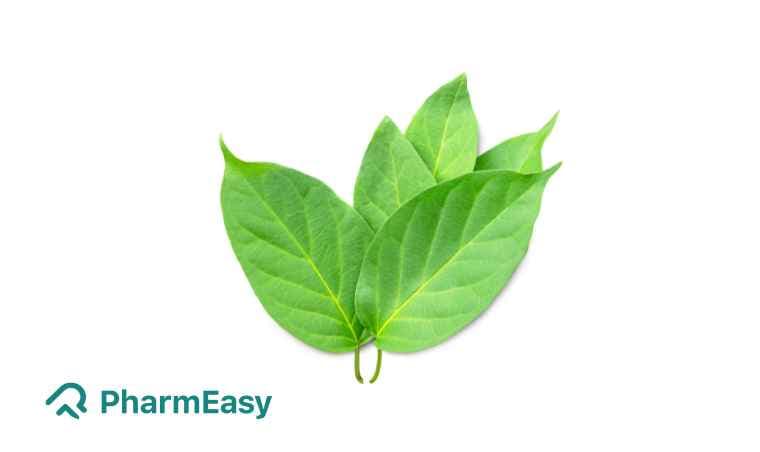
Gymnema Sylvestre: A Boon for Blood Glucose Management
Meena, 45, a homemaker from Jaipur, noticed her blood glucose readings creeping up despite adhering to a disciplined diet. Her doctor, Dr. Smita Barode, suggested incorporating Gymnema Sylvestre, also known as Madhunashini or Gurmar, into her daily regimen.
This ancient herb, revered in Ayurveda for centuries, holds remarkable potential in managing diabetes and improving overall health. Have you ever wondered why certain plants have been used for millennia in traditional medicine? Gymnema Sylvestre's story is a testament to nature's profound healing capabilities.
Worth knowing: The name 'Gurmar' literally translates to 'sugar destroyer' in Hindi, a fitting moniker for an herb that has shown significant promise in regulating blood glucose readings. This potent plant, native to India and Africa, has been a cornerstone of Ayurvedic practice, utilized for its diverse therapeutic properties.
Its active compounds, particularly gymnemic acids, are believed to be responsible for many of its health benefits.
The Science Behind Gymnema Sylvestre's Efficacy
What most people miss: The primary mechanism through which Gymnema Sylvestre exerts its anti-diabetic effects is by influencing glucose metabolism. Gymnemic acids, the key phytochemicals present in Gymnema Sylvestre leaves, are structurally similar to glucose.
That alone changes everything.
When consumed, they bind to the sugar receptors on the taste buds, thereby reducing the perception of sweetness. This might explain why Meena found her craving for sweets diminished after starting Gymnema Sylvestre.
But why does this happen? Beyond taste modification, research suggests that gymnemic acids can also inhibit the absorption of sugar in the intestines. Studies indicate that they might block specific pathways involved in glucose absorption, leading to lower post-meal blood glucose spikes.
On top of that,, Gymnema Sylvestre is thought to stimulate the pancreas to increase insulin production and enhance the sensitivity of peripheral tissues to insulin. This dual action—reducing sugar intake and improving insulin function—makes it a powerful ally for individuals with diabetes. Over 101 million Indians are estimated to have diabetes (ICMR, 2023), highlighting the urgent need for effective management strategies.
How Gymnema Sylvestre Works
- Reduced Sugar Absorption: Gymnemic acids block sugar receptors in the gut, decreasing glucose absorption.
- Increased Insulin Sensitivity: It enhances the body's response to insulin, allowing cells to use glucose more effectively.
- Stimulated Insulin Production: Gymnema Sylvestre may encourage the pancreas to release more insulin.
- Lowered Blood Glucose Readings: Clinical studies have shown a major reduction in fasting and post-prandial blood glucose readings in participants using Gymnema Sylvestre. For instance, one study published in the *Journal of Traditional and Complementary Medicine* found that supplementation led to a mean reduction of 2.5 mmol/L in fasting blood glucose.
Beyond Diabetes: Other Benefits of Gymnema Sylvestre
Think about it this way: While its reputation is primarily linked to diabetes, Gymnema Sylvestre offers a spectrum of other health advantages. Its anti-inflammatory properties are well-documented. Chronic inflammation is a root cause of many diseases, and incorporating herbs with anti-inflammatory action can be beneficial.
That's the part worth remembering.
This herb has also shown promise in supporting weight management efforts. Studies suggest that gymnemic acid may inhibit lipogenesis—the process of fat formation—and reduce the accumulation of body fat. This could be particularly helpful for individuals struggling with obesity, a considerable risk factor for type 2 diabetes, affecting approximately 24% of the Indian adult population (WHO, 2022).
Here's the thing: Gymnema Sylvestre's impact extends to cardiovascular health. By helping to manage cholesterol readings—studies indicate it can lower LDL ('bad') cholesterol and triglycerides—it contributes to a healthier heart.
On top of that,, its antioxidant properties help combat oxidative stress, protecting cells from damage caused by free radicals. This cellular protection is vital for preventing premature aging and reducing the chance of chronic diseases.
Nutritional Profile and Key Compounds
The leaves of Gymnema Sylvestre are rich in triterpenoid saponins, which include gymnemic acids (A1-A4, B1-B5, C1-C4), and as-is-gymnemasides. Anthraquinones, flavones, and furaneol-type compounds are also present. These constituents work synergistically to provide the herb's therapeutic effects.
Most people overlook this completely.
How to Use Gymnema Sylvestre
Dr. Barode typically advises patients like Meena on the optimal dosage and form of Gymnema Sylvestre. It is commonly available as dried leaves, powder, capsules, and tinctures.
The dosage can vary depending on the individual's health condition, age, and the specific product used. Generally, a daily intake of 4-6 grams of dried leaves or equivalent in other forms is recommended for adults. It's crucial to start with a lower dose and gradually increase it while monitoring blood glucose readings closely.
Experiencing the benefits of Gymnema Sylvestre might take time. Consistency is key, especially when integrating it into a long-term health plan. For instance, Meena found that consistent use over three months led to a noticeable improvement in her HbA1c readings, bringing them closer to the target range recommended by her endocrinologist at AIIMS.
Recommended Dosage and Forms
- Powder: 1-2 teaspoons (4-6 grams) daily, mixed with water or honey.
- Capsules: Follow the manufacturer's recommended dosage, typically 250-500 mg twice daily.
- Tea: Steep 1 teaspoon of dried leaves in hot water for 5-10 minutes. Drink 2-3 cups daily.
- Tincture: 1-2 ml diluted in water, taken 2-3 times a day.
Remember, these are general guidelines. Individual needs may differ. Always seek professional advice for personalized dosage recommendations.
Potential Side Effects and Precautions
While Gymnema Sylvestre is generally considered safe for most adults when taken appropriately, certain precautions are necessary. Some individuals might experience mild side effects, such as nausea, stomach upset, or dizziness, particularly when starting the supplement. These are usually transient and subside as the body adjusts.
It is absolutely vital for individuals with diabetes, especially those on medication, to monitor their blood glucose readings very carefully. If you are taking insulin or oral hypoglycemic agents, combining them with Gymnema Sylvestre could potentially lead to hypoglycemia (dangerously low blood glucose). Have you ever experienced dizziness or shakiness that felt like low blood glucose?
This is where most those affected struggle.
This herb can exacerbate such symptoms if not managed properly. The International Diabetes Federation (IDF) emphasizes careful monitoring for all individuals managing diabetes.
Who Should Be Cautious?
- Pregnant and Breastfeeding Women: Due to a lack of sufficient research, it's advisable to avoid Gymnema Sylvestre during pregnancy and lactation.
- Individuals on Diabetes Medication: Close monitoring and consultation with a healthcare provider are essential to adjust medication dosages if necessary.
- People with Hypoglycemia: Those prone to low blood glucose should use Gymnema Sylvestre with extreme caution.
- Upcoming Surgery: It is recommended to discontinue Gymnema Sylvestre at least two weeks before a scheduled surgery, as it may affect blood glucose readings during and after the procedure.
Interactions with other medications are possible. For example, it might interact with blood thinners or medications affecting blood pressure. Always inform your doctor about all supplements and medications you are currently taking.
Cultural Significance and Availability in India
Gymnema Sylvestre is deeply woven into the fabric of Indian culture and traditional healing practices. Its use dates back thousands of years, mentioned in ancient Ayurvedic texts. During monsoon season, when moisture levels are high and the likelihood of infections increases, traditional remedies like Gymnema Sylvestre were often turned to for their immune-boosting and anti-inflammatory properties.
Even during festive seasons, when diets can become indulgent, incorporating herbs like Gurmar was a way to maintain balance. You can find Gymnema Sylvestre easily across India, available in local Ayurvedic stores, health food shops, and online platforms. Its widespread availability makes it an accessible option for many seeking natural health solutions.
Key Takeaways
- Gymnema Sylvestre is a traditional Ayurvedic herb known for its potential in managing blood glucose readings by reducing sugar absorption and enhancing insulin sensitivity.
- Studies suggest it may also aid in weight management, improve cholesterol readings, and possess anti-inflammatory and antioxidant properties.
- Common forms include powder, capsules, tea, and tincture, with typical dosages ranging from 4-6 grams of dried leaves daily.
- Potential side effects are generally mild but require caution, especially for individuals on diabetes medication, pregnant/breastfeeding women, and those with hypoglycemia.
- Close monitoring of blood glucose is crucial when using Gymnema Sylvestre, particularly in conjunction with other diabetes treatments.
Always consult a qualified physician before making any medical decisions.