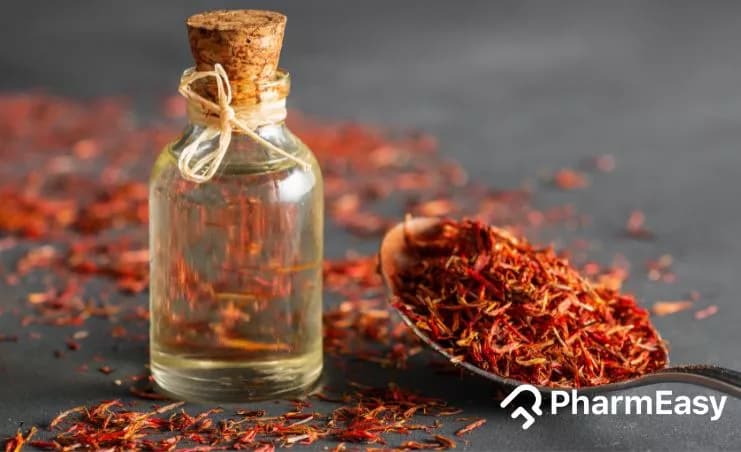
Kumkumadi Oil: Unlocking Radiant Skin with Ancient Wisdom
Meena, 45, a homemaker from Jaipur, noticed her skin losing its natural luminescence. Years of managing household chores and sun exposure had left her with dullness and occasional dark spots.
She recalled her grandmother often speaking of 'Kumkumadi Oil,' a traditional Indian formulation believed to rejuvenate the skin. Intrigued, Meena decided to explore this age-old remedy, hoping for a gentle path back to her skin's lost radiance.
Kumkumadi Oil is more than just a liquid; it's a time-tested Indian blend that has been cherished for centuries in India for its remarkable skin benefits. Derived from a classical Indian text, the 'Ashtanga Hridayam,' this potent mixture typically comprises around 25-30 components, with saffron being the star. The preparation process itself is meticulous, involving simmering these elements in a base oil, often sesame or coconut oil, allowing their therapeutic properties to infuse deeply.
This slow infusion is key to unlocking the oil's full potential. What most people miss: the efficacy of Kumkumadi Oil lies not just in its individual components but in the synergistic harmony they create.
The Science and Tradition Behind Kumkumadi Oil
Ayurveda, the ancient Indian system of medicine, views skin health as a reflection of overall well-being. Kumkumadi Oil is a prime example of Indian principles applied to skincare. Its formulation is based on balancing the 'doshas' – Vata, Pitta, and Kapha – which, according to Ayurveda, govern bodily functions and health.
The numbers don't lie.
When these doshas are imbalanced, it can manifest as various skin issues, from dryness and acne to pigmentation. The carefully selected components in Kumkumadi Oil work to pacify these imbalances, promoting a clear, healthy complexion.
Think about it this way: The vibrant orange threads of saffron, the primary element, are rich in crocin and safranal. Crocin possesses antioxidant and anti-inflammatory properties, while safranal contributes to its distinctive aroma and calming effects. These compounds help combat free radical damage, a major contributor to premature aging.
What's more,, saffron is known for its skin-brightening properties, helping to fade blemishes and even out skin tone. Studies published in journals like the 'International Journal of Cosmetic Science' have highlighted the photoprotective and antioxidant capabilities of saffron extracts, lending scientific credence to its traditional use.
Key Components and Their Benefits
The magic of Kumkumadi Oil lies in its complex blend of herbs and earthy elements. While formulations can vary slightly, some core components are almost always present:
- Saffron: As mentioned, it's the hero component. Saffron is renowned for its ability to impart a healthy glow, reduce pigmentation, and fight acne-causing bacteria. Over 101 million Indians have diabetes (ICMR, 2023), and while not directly related, chronic conditions can sometimes affect skin health, making potent antioxidants like those in saffron beneficial.
- Sandalwood: This cooling component soothes inflammation, reduces redness, and has antiseptic properties, making it excellent for acne-prone skin.
- Turmeric: A staple in Indian households, turmeric is a powerful anti-inflammatory and antioxidant. It helps in healing acne scars and improving skin texture. Its use is deeply embedded in cultural practices, often applied during festivals and weddings for its purifying and beautifying qualities.
- Licorice Root: Known for its skin-lightening properties, licorice root helps fade dark spots and hyperpigmentation, contributing to an even skin tone.
- Manjistha: This herb is prized for its blood-purifying properties, which translate to clearer, healthier skin by addressing underlying toxins.
- Vetiver: With its cooling and antiseptic properties, vetiver helps in managing acne and soothing irritated skin.
- Indian Madder: Another potent component known for its ability to improve complexion and treat skin infections.
- Various Oils: Sesame oil is a common base, favoured for its ability to penetrate deeply into the skin and its warming properties. Coconut oil, known for its moisturizing benefits, is also sometimes used.
Worth knowing: The precise combination and proportions of these components are often proprietary to the manufacturer, leading to variations in the final product's efficacy and aroma.
Transformative Uses and Benefits for Your Skin
The multifaceted benefits of Kumkumadi Oil make it a sought-after remedy for a variety of skin concerns. Its ability to address multiple issues simultaneously is truly remarkable.
Acne and Blemish Control
The anti-inflammatory and antimicrobial properties of elements like turmeric, sandalwood, and saffron benefit combat acne-causing bacteria and reduce inflammation associated with breakouts. Regular use can lead to fewer pimples and a significant reduction in acne scars.
That alone changes everything.
A study suggested that Indian formulations containing these herbs can be effective in managing mild to moderate acne vulgaris, a condition affecting millions globally.
Reducing Hyperpigmentation and Dark Spots
The potent skin-lightening agents in Kumkumadi Oil, such as saffron and licorice root, work synergistically to fade dark spots, sun spots, and post-acne marks. Consistent application can result in a noticeably brighter and more even complexion.
This is particularly beneficial for individuals dealing with melasma or sun damage, widespread concerns exacerbated by India's intense UV exposure during summer months.
Anti-Aging and Rejuvenation
Rich in antioxidants, Kumkumadi Oil fights free radicals that accelerate skin aging. It promotes collagen production, improves skin elasticity, and reduces the appearance of fine lines and wrinkles.
The oil nourishes the skin, leaving it looking plump, firm, and youthful. The World Health Organization (WHO) highlights the growing burden of non-communicable diseases, including those related to aging, emphasizing the importance of lifestyle and earthy interventions.
Enhancing Skin Radiance and Glow
Perhaps its most celebrated benefit is its ability to impart a healthy glow. By improving blood circulation to the skin, reducing dullness, and promoting cell turnover, Kumkumadi Oil reveals a brighter, more luminous complexion. It's often referred to as a 'natural highlighter' in Indian circles.
Moisturizing and Nourishing
The oil-based nature of Kumkumadi Oil ensures deep moisturization, combating dryness and flakiness. It replenishes the skin's natural barrier, leaving it soft, supple, and hydrated. This is especially vital during dry spells or after exposure to harsh environmental conditions.
Most people overlook this completely.
How to Use Kumkumadi Oil Effectively
Using Kumkumadi Oil is relatively straightforward, but consistency and proper application are key to achieving optimal results. Remember, this is a potent blend, and a little goes a long way.
Application Method
Cleanse your face thoroughly to remove all makeup and impurities. Gently pat your skin dry. Take 2-3 drops of Kumkumadi Oil onto your fingertips. Warm the oil slightly by rubbing your fingertips together. Gently massage the oil onto your face and neck using upward strokes.
Avoid the immediate eye area. It's best to leave it on overnight for maximum absorption and benefit. If overnight application isn't feasible, leave it on for at least 2-3 hours before washing it off. Many people choose to apply it just before bed, especially after their evening skincare routine.
Frequency
For best results, apply Kumkumadi Oil daily, preferably in the evening. Consistency is crucial for seeing meaningful improvements in skin texture, tone, and radiance. Initial results may become noticeable within 4-6 weeks of regular use, though deeper changes can take longer.
Patch Test Recommendation
Before applying the oil to your entire face, perform a patch test. Apply a small amount to a discreet area of your skin (like behind the ear or on the inner forearm) and wait for 24 hours. If any redness, itching, or irritation occurs, discontinue use. This step is vital, especially if you have sensitive skin or are trying a new brand.
This is where most patients struggle.
Potential Side Effects and Precautions
While Kumkumadi Oil is generally considered safe for topical use due to its earthy components, some precautions are necessary. It's not a magic potion without potential drawbacks for certain individuals.
Skin Sensitivity and Allergies
As with any skincare product, allergic reactions or sensitivity can occur. Elements like saffron, essential oils, or the base oil might trigger reactions in some people. Always perform a patch test before full application. If you experience stinging, burning, or excessive redness, wash the oil off immediately and consult a dermatologist.
Photosensitivity
Some elements in traditional blends might increase skin sensitivity to sunlight. While less widespread with modern, well-processed Kumkumadi Oil, it's wise to use sunscreen diligently during the day, especially if you apply the oil in the morning or leave it on for extended periods before sun exposure.
This precaution is particularly important in regions with high UV index, like many parts of India.
Not for Internal Consumption
Kumkumadi Oil is strictly for external application only. Ingesting the oil can lead to adverse health effects. Keep it out of reach of children.
Pregnancy and Breastfeeding
Pregnant and breastfeeding women should consult their healthcare provider before using Kumkumadi Oil, as some Indian herbs may not be recommended during these sensitive periods. Although generally mild, caution is always advised.
Recovery is rarely linear.
Quality and Purity
The quality of Kumkumadi Oil can vary significantly between brands. Opt for products from reputable manufacturers that clearly list their components and adhere to good manufacturing practices. Impure or adulterated oils may not only be ineffective but could also cause harm. Look for certifications or recommendations from trusted sources.
Kumkumadi Oil vs. Modern Skincare
In today's market, numerous synthetic skincare products promise instant results. But why does this happen? Modern science offers targeted solutions, often with potent active agents designed for specific concerns.
However, these can sometimes be harsh, leading to side effects like irritation, dryness, or even long-term damage. The International Diabetes Federation (IDF) reports rising diabetes cases globally, underscoring a general increase in lifestyle-related health issues, which can indirectly impact skin health.
Kumkumadi Oil, on the other hand, offers a gentle, holistic approach. Its strength lies in the synergy of earthy components working over time to optimise skin health from within.
While it might not provide the immediate dramatic changes seen with some chemical treatments, its benefits are often more sustainable and less likely to cause adverse reactions. It represents a return to nature, a philosophy embraced by many seeking healthier, more earthy ways to care for their skin, especially those who grew up with traditional remedies passed down through generations.
It sounds simple. It rarely is.
Expert Insights and Recommendations
Dr. Smita Barode, a seasoned Ayurvedic practitioner, emphasizes the importance of understanding one's skin type and concerns before incorporating any new product. "Kumkumadi Oil is a gift from Ayurveda, but like any potent remedy, it needs to be used judiciously," she advises.
"For individuals with oily or acne-prone skin, using just 1-2 drops and ensuring thorough cleansing is essential to avoid pore congestion. Those with dry skin can benefit from slightly more.
She also notes the growing interest in Indian products among younger generations in India and globally. "The emphasis on earthy components and holistic well-being resonates deeply.
However, it's crucial to source authentic, high-quality Kumkumadi Oil. " She recommends consulting an Ayurvedic doctor for personalized advice on formulation and usage, especially if dealing with persistent skin conditions.
So what does that mean for you? It means that while Kumkumadi Oil holds immense potential, understanding its nuances and using it correctly is paramount. It's about integrating ancient wisdom with modern awareness for truly healthy skin.
Key Takeaways
- Kumkumadi Oil is a traditional Indian blend, typically containing 25-30 components, with saffron as the primary element.
- It offers numerous benefits, including reducing acne and blemishes, fading hyperpigmentation, fighting signs of aging, and enhancing skin radiance.
- Key components like saffron, turmeric, and sandalwood possess potent antioxidant, anti-inflammatory, and skin-brightening properties.
- For optimal results, apply 2-3 drops daily to a cleansed face, preferably overnight, after performing a patch test.
- While generally safe, potential side effects include skin sensitivity and photosensitivity; always use sunscreen and consult a healthcare provider if pregnant or breastfeeding.
Always consult a qualified physician before making any medical decisions.