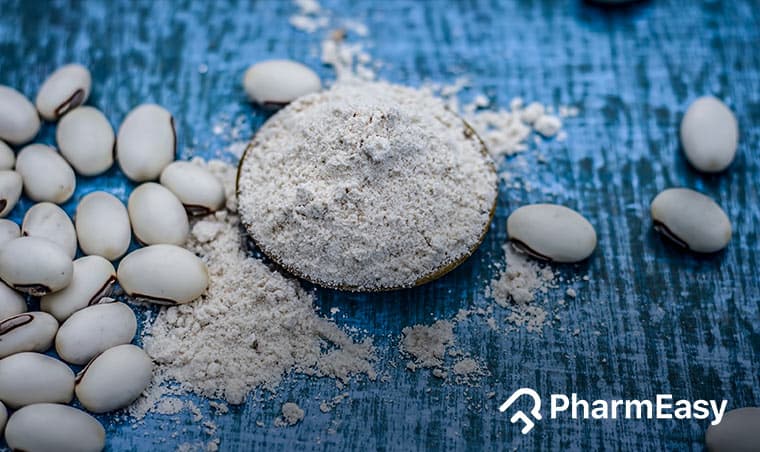
Kaunch Seed: Nature's Potent Seed for Holistic Wellness
Meena, 45, a homemaker from Jaipur, noticed a persistent fatigue that no amount of rest seemed to alleviate. Her energy levels were low, and she often felt overwhelmed by daily chores.
After consulting her local Ayurvedic practitioner, she was introduced to Kaunch Seed (Mucuna pruriens). Many Indians are rediscovering ancient Ayurvedic wisdom, seeking natural solutions for modern ailments.
Kaunch Seed, also known scientifically as Mucuna pruriens, is a leguminous climbing vine native to tropical regions of Africa and Asia. Revered in Ayurvedic medicine for centuries, its seeds are particularly valued for their rich medicinal properties. This humble seed is a powerhouse of bioactive compounds, including L-DOPA, a precursor to dopamine, a crucial neurotransmitter. Over 101 million Indians have diabetes (ICMR, 2023), and while Kaunch Seed isn't a direct cure, its role in managing associated complications is being explored.
The Rich Nutritional Profile of Kaunch Seed
The remarkable benefits of Kaunch Seed stem from its dense nutritional and phytochemical composition. Its seeds are a good source of protein, carbohydrates, fiber, and essential minerals like iron, manganese, and phosphorus. The star component, however, is L-DOPA (L-3,4-dihydroxyphenylalanine).
This naturally occurring amino acid plays a vital role in brain function and is a key precursor to neurotransmitters like dopamine and serotonin. Dopamine influences mood, motivation, and motor control, while serotonin is critical for regulating mood, sleep, and appetite. The concentration of L-DOPA can vary, but some studies suggest it can contain up to 5% L-DOPA by dry weight.
Key Therapeutic Benefits of Kaunch Seed
The therapeutic applications of Kaunch Seed are extensive, spanning various aspects of well-being.
1. Enhancing Male Fertility and Virility
Perhaps the most well-known benefit of Kaunch Seed is its positive impact on male reproductive function. It is widely used in Ayurveda to address issues like low sperm count, poor sperm motility, and reduced sperm morphology. Studies published in journals like Andrologia have indicated that supplementation with Mucuna pruriens extract can significantly improve sperm parameters in infertile men. This is largely attributed to its L-DOPA content, which can help regulate hormones involved in reproduction, including testosterone. Some investigations suggest it may benefit increase serum testosterone levels by up to 40% in men with low testosterone. This offers a natural avenue for men struggling with fertility concerns.
2. Neuroprotective Properties and Parkinson's Disease Management
The presence of L-DOPA makes Kaunch Seed a subject of significant interest in neurological exploration. L-DOPA is the primary medication used to manage Parkinson's disease, a progressive neurodegenerative disorder characterized by tremors, rigidity, and difficulty with movement. Because Kaunch Seed naturally contains L-DOPA, it has been studied as a therapeutic agent. Findings presented at international neurology conferences suggest that the natural L-DOPA in Kaunch Seed may be absorbed and utilized by the body effectively, potentially offering a more natural approach compared to synthetic L-DOPA, though caution is always advised. A study in The Lancet Neurology highlighted the potential efficacy of Mucuna pruriens in managing Parkinson's symptoms.
3. Stress and Anxiety Reduction
The intricate relationship between L-DOPA, dopamine, and serotonin sheds light on Kaunch Seed's anxiolytic (anxiety-reducing) and adaptogenic properties. Dopamine and serotonin are key players in mood regulation. By boosting dopamine levels, Kaunch Seed may enable strengthen mood, reduce feelings of anxiety, and promote a sense of well-being.
Most people overlook this completely.
Its adaptogenic nature means it helps the body better cope with stress, both physical and psychological. Finding natural ways to manage stress is invaluable.
4. Antioxidant and Anti-inflammatory Effects
Kaunch Seed seeds are rich in antioxidants, which combat harmful free radicals in the body. Free radicals are unstable molecules that can cause cellular damage, contributing to aging and chronic diseases. The antioxidant compounds in Kaunch Seed — including flavonoids and phenolic compounds — benefit neutralize these radicals.
It also exhibits anti-inflammatory properties, which can be beneficial in managing conditions associated with chronic inflammation. This dual action supports overall cellular integrity and may play a role in preventing various degenerative diseases.
5. Improving Cognitive Function
The neurotransmitters influenced by Kaunch Seed, particularly dopamine, are critical for cognitive functions such as memory, focus, and learning. By supporting healthy dopamine levels, it may contribute to enhanced mental clarity and improved cognitive performance.
While not a replacement for conventional treatments, its capacity to support brain function makes it an interesting natural supplement.
6. Potential Benefits for Diabetes Management
While not a primary treatment, some investigations suggest Kaunch Seed may offer supportive benefits for individuals with diabetes. Its fiber content can support slow down sugar absorption, and some studies indicate it might enhance insulin sensitivity.
It sounds simple. It rarely is.
However, this area requires more extensive exploration, and patients should not rely solely on Kaunch Seed for diabetes management. Always coordinate with your healthcare provider.
7. Skin Health and Anti-aging
The antioxidant and anti-inflammatory properties extend to benefits for the skin. By fighting oxidative stress, Kaunch Seed may aid reduce the signs of aging, such as wrinkles and fine lines. Some traditional uses also involve its application (in carefully prepared forms) for certain skin conditions, though scientific evidence is still emerging.
How to Use Kaunch Seed
Kaunch Seed is available in various forms, including powders, capsules, and extracts. The dosage and method of consumption depend on the intended use and individual health conditions. Traditionally, the powdered seeds are often consumed after being processed to reduce potential toxicity and enhance digestibility.
A common practice involves roasting the seeds and then grinding them into a fine powder. This powder can be mixed with warm milk or ghee, especially during colder months or after festivals like Diwali, when diets can become richer. Recommended dosages typically range from 3-10 grams of powder per day, but this can vary significantly.
It's crucial to source Kaunch Seed from reputable Ayurvedic suppliers to ensure purity and quality. Many Ayurvedic institutions, like the Banaras Hindu University's Ayurveda department, emphasize the importance of proper processing and standardization of herbal remedies.
That's the part worth remembering.
Potential Side Effects and Precautions
While generally considered safe when used appropriately, Kaunch Seed can have side effects, especially if consumed in high doses or without proper preparation. In many cases, individuals might experience mild gastrointestinal issues such as nausea, bloating, or stomach upset.
Due to its potent effects on neurotransmitters and hormones, certain precautions are necessary.
- Pregnancy and Breastfeeding: Pregnant and breastfeeding women should avoid Kaunch Seed due to a lack of sufficient safety data.
- Mental Health Conditions: Individuals with certain mental health conditions, particularly psychosis or schizophrenia, should use it with extreme caution or avoid it altogether, as it can potentially exacerbate warning signs.
- Medication Interactions: Kaunch Seed can interact with certain medications, especially those used for Parkinson's disease (like levodopa), antidepressants (MAOIs and SSRIs), and blood pressure medications. Always inform your doctor about any herbal supplements you are taking. The World Health Organization (WHO) advises caution with herbal remedies due to potential interactions.
- Surgery: It is advisable to stop using Kaunch Seed at least two weeks before scheduled surgery, as it may affect blood sugar levels and other physiological processes.
- L-DOPA Sensitivity: Individuals sensitive to L-DOPA should exercise caution.
Proper preparation is key. Raw Mucuna pruriens seeds contain compounds that can be toxic if not processed correctly. Roasting or other traditional methods are employed to neutralize these compounds. The International Diabetes Federation (IDF) highlights the importance of consulting healthcare professionals for managing conditions that Kaunch Seed might influence.
The Indian Context of Kaunch Seed
Kaunch Seed has a long history in Indian traditional medicine, particularly Ayurveda. It's often found in formulations aimed at improving vitality and addressing male infertility. Culturally, its use is woven into the fabric of wellness practices, sometimes being passed down through family knowledge.
Think about the monsoon season in India – while many seek relief from dampness, others might be looking for natural tonics to boost their strength and immunity, and Kaunch Seed has historically been considered one such remedy. Its accessibility and perceived efficacy have made it a popular choice for many seeking natural wellness solutions.
Exploration and Future Directions
While traditional use provides a strong foundation, modern scientific exploration is increasingly validating the benefits of Kaunch Seed. Ongoing studies are exploring its role in areas like neuroprotection, metabolic health, and even as an adjuvant therapy in certain chronic conditions.
That's the part worth remembering.
Standardization of extracts and clinical trials are crucial for establishing definitive efficacy and safety profiles. Institutions like the Indian Council of Medical Research (ICMR) and international bodies like the WHO continue to monitor and encourage exploration into traditional Indian medicinal plants.
The journey from ancient texts to modern scientific inquiry highlights the enduring power of nature's pharmacy. Kaunch Seed stands as a testament to this, offering a glimpse into a holistic approach to wellness that integrates traditional wisdom with scientific understanding.
Always consult a qualified physician before making any medical decisions.
Key Takeaways
- Kaunch Seed (Mucuna pruriens) is rich in L-DOPA, a precursor to dopamine and serotonin.
- It is widely used in Ayurveda to enhance male fertility, potentially improving sperm count and testosterone levels.
- Exploration suggests potential benefits for managing Parkinson's disease signs due to its L-DOPA content.
- Kaunch Seed may support reduce stress and anxiety by influencing mood-regulating neurotransmitters.
- Proper preparation and sourcing from reputable suppliers are essential to avoid side effects and ensure efficacy.