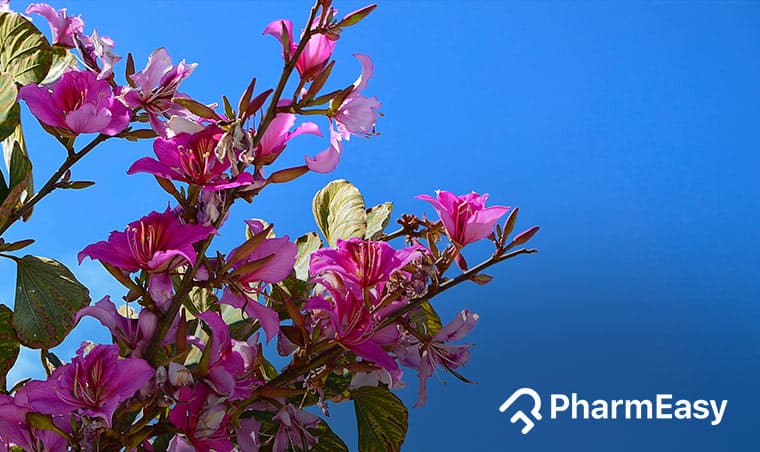
Kachnar (Bauhinia Variegata): An Ancient Indian Remedy for Modern Ailments
Meena, 45, a homemaker from Jaipur, experienced persistent skin rashes that resisted healing, alongside unusual fatigue. Her physician suggested a holistic approach, prompting her to explore indigenous Indian remedies. Kachnar, a flowering tree valued in Ayurveda, emerged as a potential natural aid for her concerns. This adaptable plant, known scientifically as Bauhinia Variegata, has been a staple in Indian households for ages, offering a range of wellness advantages.
Understanding the power of plants like Kachnar provides a fascinating glimpse into India's rich medicinal heritage. For many, especially those managing chronic conditions, integrating such natural therapies can be a complementary strategy. We'll explore its uses, advantages, nutritional makeup, and scientific support.
The Ancient Roots and Modern Relevance of Kachnar
Kachnar, often recognized by its beautiful orchid-like flowers that bloom vibrantly, particularly during the spring season in India, has a long history of use. Ancient Ayurvedic texts detail its effectiveness in treating various issues, from digestive problems to skin conditions and even certain growths. Its relevance today is amplified by the growing global interest in natural and plant-based medicine.
As rates of chronic diseases like diabetes continue to rise—over 101 million Indians have diabetes (ICMR, 2023)—people are increasingly seeking effective, natural solutions. So what does that mean for you? It means exploring time-tested remedies like Kachnar could offer valuable support.
Nutritional Profile: What Makes Kachnar Beneficial?
While often used for its medicinal properties, Kachnar also possesses a decent nutritional value, especially when its leaves and flowers are consumed as part of a balanced diet. They contain essential vitamins and minerals. For instance, Kachnar is a source of Vitamin C, important for immune function and skin wellness. It also provides dietary fibre, which aids digestion and helps regulate blood sugar levels.
The numbers don't lie.
Additionally, the plant contains flavonoids and tannins, known for their antioxidant and anti-inflammatory qualities. These compounds combat oxidative stress in the body, a key factor in many chronic diseases. Although specific, large-scale nutritional analyses for Kachnar in India are limited, its traditional use suggests a beneficial composition.
Key Wellness Advantages of Kachnar (Bauhinia Variegata)
1. Diabetes Management and Blood Sugar Control
Perhaps one of the most significant modern applications of Kachnar lies in its potential to help manage diabetes. Research, including studies published in journals like Phytomedicine, suggests that compounds within Kachnar may enable improve insulin sensitivity and reduce glucose absorption. This makes it a promising natural adjunct for individuals looking to manage their blood sugar levels. The International Diabetes Federation (IDF) estimates that India has the second-highest number of adults with diabetes globally, underscoring the need for accessible management strategies. Kachnar's hypoglycemic properties have been observed in several animal studies, showing a reduction in blood glucose levels after administration.
But why does this happen? The mechanism is thought to involve inhibiting certain enzymes responsible for carbohydrate digestion, thereby slowing down the rise in blood sugar after meals.
On top of that,, its antioxidant qualities can aid combat the oxidative stress associated with diabetes. For individuals who often sit on the floor during meals or festivals, maintaining stable energy levels throughout the day is crucial, and Kachnar might play a role here.
2. Skin Wellness and Wound Healing
Kachnar has a long-standing reputation in Ayurvedic medicine for its advantages to the skin. Its anti-inflammatory and antimicrobial qualities make it powerful in treating various skin conditions, including acne, eczema, and psoriasis. The application of Kachnar paste or decoction can assist reduce inflammation, fight bacterial infections, and promote faster wound healing. Studies have indicated that extracts from Bauhinia Variegata exhibit meaningful wound-healing activity, accelerating the closure of wounds and improving the tensile strength of the healed tissue. This is particularly valuable given the prevalence of skin infections in India's humid climate, especially during the monsoon season.
Worth knowing: Its astringent qualities also assist in toning the skin and reducing the appearance of pores. This makes it a valuable ingredient in natural skincare formulations.
3. Digestive Wellness Support
Traditional use points to Kachnar's effectiveness in improving digestion and alleviating common gastrointestinal issues. It is believed to stimulate the secretion of digestive enzymes and bile, aiding in the breakdown and absorption of food. Its mild laxative properties can assist relieve constipation, while its anti-flatulent action reduces gas and bloating.
For a population that consumes a diverse range of spices and often experiences digestive discomfort, Kachnar offers a gentle, natural solution. Research suggests that the herb may also possess anthelmintic qualities, helping to expel intestinal worms.
That alone changes everything.
4. Anti-inflammatory and Antioxidant Power
The presence of potent antioxidants like flavonoids and phenolic compounds in Kachnar helps neutralise harmful free radicals in the body. This antioxidant action is crucial in preventing cellular damage and reducing the risk of chronic diseases, including heart disease and certain cancers.
Its anti-inflammatory effects are also beneficial for conditions like arthritis and joint pain. The World Health Organization (WHO) acknowledges the role of traditional medicine in healthcare, and Kachnar's anti-inflammatory capacity aligns with this global perspective.
Practically speaking, incorporating herbs with strong antioxidant profiles can contribute significantly to long-term wellness and vitality. This is especially true in regions where environmental factors might increase oxidative stress.
5. Other Potential Uses
Beyond these primary advantages, Kachnar is traditionally used for a variety of other purposes. It's been employed as an expectorant to enable clear respiratory congestion, as a diuretic to increase urine production, and in managing conditions like piles (hemorrhoids).
It sounds simple. It rarely is.
Some traditional systems also suggest its use in improving menstrual regularity and even in managing certain types of ulcers. While more clinical research is needed for these applications, the historical usage provides a strong foundation for further scientific investigation.
How to Use Kachnar
Kachnar can be consumed in several forms. The most widespread methods include:
- Kachnar Guggulu: This is a popular Ayurvedic formulation, often available in tablet form, combining Kachnar with Guggulu and other herbs. It's widely recommended for glandular swellings, skin diseases, and thyroid issues.
- Decoction: Boiling the bark, leaves, or flowers in water creates a decoction, which can be consumed or used externally for skin conditions. A typical preparation involves simmering 1-2 teaspoons of dried Kachnar bark or leaves in a cup of water until the volume reduces by half.
- Powder: The dried parts of the plant can be powdered and taken with water or honey.
- Culinary Use: In some parts of India, the flower buds and young shoots are cooked as a vegetable, especially during springtime. They are often prepared similarly to other green vegetables, sometimes stir-fried with spices. What most people miss: This culinary use is a wonderful way to incorporate its advantages subtly into the diet, especially during seasons when fresh buds are available.
Scientific Evidence and Research
While traditional use is extensive, modern scientific validation is crucial. Numerous laboratory studies have explored the phytochemical constituents of Bauhinia Variegata, identifying compounds like flavonoids, tannins, and terpenoids. These compounds are believed to be responsible for its therapeutic effects. For instance, studies published in journals like the Journal of Ethnopharmacology have highlighted the anti-diabetic, anti-inflammatory, and antioxidant activities observed in preclinical research. Research conducted at institutions like the All India Institute of Medical Sciences (AIIMS) often investigates the potential of indigenous herbs, contributing to the growing body of evidence supporting Kachnar's advantages. However, it's major to note that many studies are preclinical (in vitro or animal models), and more robust human clinical trials are needed to confirm efficacy and optimal dosages for various conditions.
Honestly, the journey from traditional knowledge to scientifically validated treatments is complex but vital. The Lancet has frequently featured research on the integration of traditional medicine with modern healthcare, suggesting a positive future for herbs like Kachnar.
Precautions and Considerations
Despite its numerous advantages, Kachnar should be used with caution. Pregnant and breastfeeding women should avoid its use unless specifically advised by a healthcare professional. Individuals with existing medical conditions, particularly those on medication for diabetes or blood pressure, should consult their doctor before starting Kachnar, as it may interact with their medications.
Overconsumption could potentially lead to digestive upset in some individuals. Always start with a low dose to assess tolerance.
Key Takeaways
- Kachnar (Bauhinia Variegata) is a traditional Ayurvedic herb with many kinds of wellness advantages.
- It shows promise in managing blood sugar levels, potentially aiding individuals with diabetes.
- The herb possesses major anti-inflammatory and antioxidant qualities, beneficial for overall wellness and combating oxidative stress.
- Kachnar is traditionally used to strengthen skin wellness and promote wound healing, with scientific studies supporting these applications.
- It also offers support for digestive wellness, helping with issues like constipation and indigestion.
Always consult a qualified physician before making any medical decisions.