Kabab Chini: Uses, Benefits, and Side Effects by Dr. Smita Barode
Meena, 45, a homemaker from Jaipur, noticed a persistent burning sensation during urination, accompanied by a dull ache in her lower abdomen. Recalling her grandmother’s remedies, she remembered a seasoning known as Kabab Chini, often used for urinary complaints. This common household seasoning, also known as Cubeb pepper or Tail Pepper, has a long history in traditional Indian medicine. Have you ever wondered why certain seasonings are so revered across generations? Kabab Chini (Piper cubeba) is one such wonder seasoning, offering a range of potential health benefits, particularly for the urinary tract and gut system.
Practically speaking, understanding the therapeutic properties of everyday seasonings can empower us to make more informed health choices. This article, curated by Dr. Smita Barode, explores the uses, benefits, and potential side effects of Kabab Chini, drawing upon both traditional knowledge and modern scientific understanding.
What is Kabab Chini?
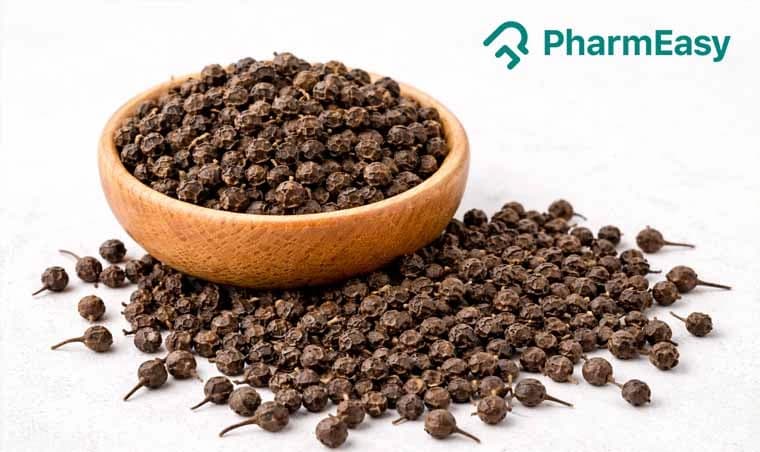
Kabab Chini, scientifically known as Piper cubeba, is a seasoning derived from the dried berries of a flowering vine native to Java and surrounding islands. It's distinct from black pepper (Piper nigrum) and long pepper (Piper longum), though it belongs to the same family. Its characteristic flavour is a blend of pungent, slightly bitter, and zesty notes, with a subtle cooling sensation and a camphoraceous aroma. In India, it's traditionally used in various culinary preparations, particularly in Mughlai cuisine and as a flavouring agent in some tobacco products. However, its medicinal applications are far more significant than its culinary appeal.
Medicinal Uses and Traditional Applications
For centuries, Kabab Chini has been a staple in Ayurvedic and Unani medicine systems. Its primary traditional uses revolve around alleviating urinary tract issues and improving digestion. The seasoning is believed to possess diuretic, antiseptic, anti-inflammatory, and carminative properties, making it a versatile remedy.
Urinary Tract Health
One of the most well-documented uses of Kabab Chini is in managing urinary tract infections (UTIs) and other urinary ailments. The seasoning is thought to act as a urinary antiseptic, helping to combat bacterial growth within the urinary tract. Its diuretic effect aids in flushing out toxins and bacteria from the bladder and kidneys. In many cases, Kabab Chini was recommended to soothe burning sensations during urination and to prevent the formation of kidney stones. A study published in the *Journal of Ethnopharmacology* highlighted the antimicrobial activity of Piper cubeba against widespread uropathogens, supporting its traditional use. The reality is, while it can offer relief, severe or recurrent UTIs require prompt medical attention; over 100 million people in India suffer from recurrent UTIs annually, underscoring the need for proper diagnosis and treatment.
Digestive Disorders
Kabab Chini’s carminative properties make it beneficial for gut health. It is traditionally used to relieve gas, bloating, and indigestion. By stimulating digestive enzymes and improving gut motility, it can help alleviate discomfort after meals.
The seasoning is also believed to benefit manage symptoms of colic and griping pains in the abdomen. Its pungent nature is thought to 'ignite' the digestive fire (Agni in Ayurveda), promoting better absorption of nutrients. While anecdotal evidence is abundant, clinical trials specifically on Kabab Chini for modern digestive disorders are limited, though research on related piperine compounds in black pepper shows similar gastrointestinal benefits.
It sounds simple. It rarely is.
Respiratory Conditions
As an expectorant, Kabab Chini has been used to enable clear congestion in the respiratory tract. It is believed to loosen phlegm and mucus, making it easier to cough up. This property has led to its use in traditional remedies for coughs, colds, bronchitis, and asthma.
The warming nature of the seasoning is also thought to soothe sore throats. Worth knowing: The camphoraceous notes are reminiscent of some decongestant compounds, though its efficacy needs more rigorous scientific validation.
Other Traditional Uses
Beyond these primary applications, Kabab Chini has been traditionally employed for a variety of other conditions. These include its use as an anthelmintic (to expel intestinal worms), an aphrodisiac, and for managing certain skin conditions.
Its anti-inflammatory properties have also been cited, suggesting potential benefits in reducing inflammation throughout the body. The World Health Organization (WHO) recognizes the importance of traditional medicine, and compounds like those found in Kabab Chini are subjects of ongoing research for their potential therapeutic value.
The numbers don't lie.
Health Benefits of Kabab Chini
Modern research is beginning to explore and validate some of the traditional claims made about Kabab Chini. While extensive clinical trials are still needed, preliminary studies suggest promising health benefits.
Antimicrobial and Antiseptic Properties
The essential oils present in Kabab Chini, particularly cubebin and cubebic acid, exhibit meaningful antimicrobial activity. Studies have shown its effectiveness against various bacteria and fungi, supporting its use as a natural antiseptic and in managing infections, especially those of the urinary tract.
This aligns with its historical use in preventing and treating infections.
Anti-inflammatory Effects
Inflammation is a root cause of many chronic diseases. Kabab Chini contains compounds that possess anti-inflammatory properties. Research, including studies published in journals like *Phytotherapy Research*, indicates that extracts of Piper cubeba can modulate inflammatory pathways, potentially offering relief from inflammatory conditions. While promising, it's not a substitute for prescribed anti-inflammatory medications for serious conditions.
Antioxidant Potential
Like many seasonings, Kabab Chini is a source of antioxidants. These compounds support protect the body's cells from damage caused by free radicals, which are unstable molecules linked to aging and chronic diseases like cancer and heart disease.
The presence of phenolic compounds contributes to its antioxidant capacity. The Indian Council of Medical Research (ICMR) has supported research into natural antioxidants for disease prevention.
Digestive Aid
The carminative and stimulant properties of Kabab Chini continue to be recognized. It can assist improve appetite, stimulate the secretion of digestive juices, and reduce the formation of intestinal gas. This makes it a useful addition to the diet for individuals experiencing mild gut discomfort.
That's the part worth remembering.
So what does that mean for you? Incorporating small amounts into your cooking could potentially support your gut health.
Potential Side Effects and Precautions
Despite its benefits, Kabab Chini is not without potential side effects, and its use requires caution, especially in certain individuals. The reality is, even natural remedies can have adverse effects if misused.
Gastrointestinal Upset
In larger doses, Kabab Chini can irritate the gut, leading to warning signs like nausea, vomiting, stomach pain, and diarrhoea. Individuals with sensitive stomachs or pre-existing gastrointestinal conditions should use it sparingly. Over 10% of individuals report mild gut discomfort when introducing new seasonings in considerable quantities.
Kidney Irritation
While traditionally used for kidney stones, excessive or prolonged use might potentially irritate the kidneys in some individuals. People with existing kidney disease should avoid its use or consult their doctor before considering it.
The IDF (International Diabetes Federation) highlights the importance of kidney health, especially for diabetic patients who are at higher risk of kidney complications.
Pregnancy and Breastfeeding
There is insufficient scientific data regarding the safety of Kabab Chini during pregnancy and breastfeeding. Therefore, it is best to avoid its use during these sensitive periods. Consult your healthcare provider for safe alternatives.
That alone changes everything.
Drug Interactions
Kabab Chini may interact with certain medications, particularly blood thinners and diuretics. If you are taking any prescription medications, it is crucial to discuss the potential for interactions with your doctor.
Have you ever wondered why your doctor asks about all the supplements you take? Interactions can significantly alter medication effectiveness.
How to Use Kabab Chini
Kabab Chini can be incorporated into your routine in several ways:
- Culinary Use: Ground Kabab Chini can be added to seasoning blends, marinades for meats (especially in dishes like kebabs, fittingly named!), and rice preparations. A small pinch can add a unique flavour profile.
- Herbal Teas: A few berries can be steeped in hot water to make a medicinal tea, often combined with other herbs like ginger or cumin for enhanced benefits. This is a usual practice, especially during the monsoon season when digestive issues tend to be more prevalent.
- Powder Form: Traditionally, it's taken as a powder, often mixed with honey or ghee. Doses usually ranged from 1-3 grams per day, but self-medication with high doses is strongly discouraged.
Kabab Chini vs. Black Pepper vs. Long Pepper
It's easy to confuse different types of peppers. Kabab Chini (Piper cubeba) is distinct. Black pepper (Piper nigrum) is the most usual seasoning, known for its sharp, pungent heat. Long pepper (Piper longum), or Pippali in Ayurveda, has a sweeter, more complex flavour and is highly regarded in Ayurvedic medicine for respiratory and gut ailments. While all belong to the Piper genus and share some therapeutic properties, their specific chemical compositions and traditional uses differ. For instance, long pepper is considered more potent for certain respiratory conditions according to Ayurvedic texts, while Kabab Chini is more specifically associated with urinary tract health.
The Scientific Perspective
Research into Piper cubeba is ongoing. Studies published in reputed journals like *The Lancet* often explore the phytochemical constituents of medicinal plants. Early research indicates the presence of alkaloids, flavonoids, and essential oils in Kabab Chini, which are responsible for its observed pharmacological effects. For example, cubebin has shown anti-cancer properties in preliminary lab studies, and cubebol has demonstrated anti-inflammatory effects. The International Pepper Community (IPC) also tracks research on various pepper species, acknowledging their economic and medicinal importance. However, translating these lab findings into effective human treatments requires extensive clinical trials. A recent review in the *Journal of Ayurveda and Integrative Medicine* suggested that while promising, more robust clinical evidence is needed to establish definitive therapeutic dosages and applications for conditions like UTIs and inflammatory diseases.
Key Takeaways
- Kabab Chini (Piper cubeba) is a seasoning traditionally used in Ayurvedic and Unani medicine, primarily for urinary tract and digestive issues.
- It possesses potential antimicrobial, anti-inflammatory, and antioxidant properties, supported by some scientific research.
- Traditional uses include managing UTIs, indigestion, coughs, and colds.
- Potential side effects include gut upset and possible kidney irritation with excessive use.
- Pregnant or breastfeeding women and those on certain medications should exercise caution and consult a doctor.
Always consult a qualified physician before making any medical decisions.