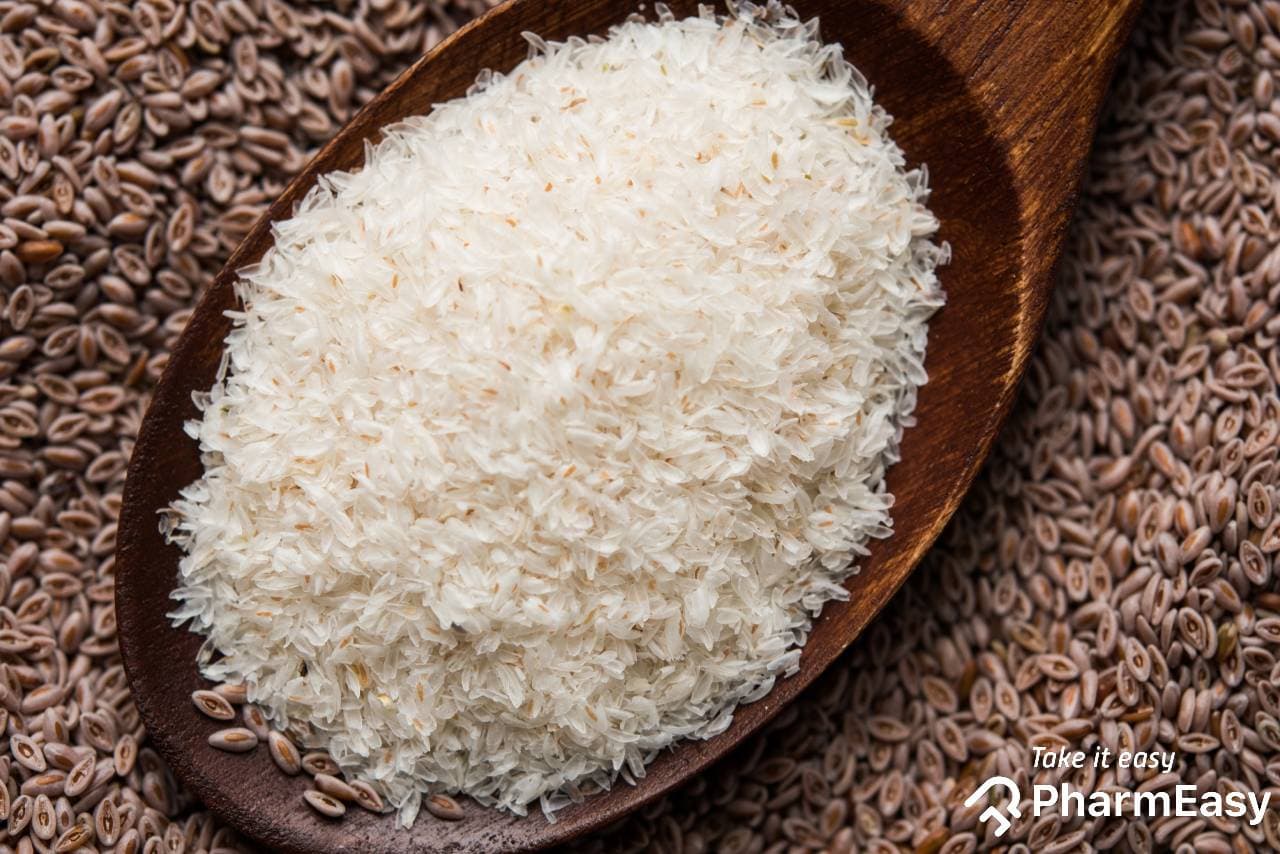
Isabgol (Psyllium Husk): India's Trusted Fibre Solution
Meena, 45, a homemaker from Jaipur, noticed persistent bloating and discomfort after meals. For years, she’d relied on home remedies, but nothing offered lasting relief. Her mother suggested Isabgol, a staple in many Indian households, especially during the monsoon season when dietary habits often shift.
This common yet powerful natural fibre, derived from the seeds of the Plantago ovata plant, has been a cornerstone of traditional Indian medicine for centuries. Its efficacy in promoting gut health and managing various ailments makes it a go-to solution for millions. Have you ever wondered why this humble husk is so revered?
What most people miss: Isabgol isn't just about relieving constipation; its benefits extend to managing blood lipid levels, aiding in weight management, and even offering support for individuals with diabetes. Understanding its mechanism of action and proper usage is key to unlocking its full potential.
The World Health Organization (WHO) recommends a daily intake of 25-30 grams of fibre, yet the average Indian diet often falls short, making fibre supplements like Isabgol increasingly relevant. In India, an estimated 10-15% of the population suffers from chronic constipation, highlighting the widespread need for effective, accessible remedies.
That's the part worth remembering.
The Science Behind Psyllium Husk
Psyllium husk is a remarkable source of soluble fibre. When mixed with water, it forms a viscous, gel-like substance. This unique property is central to its numerous health benefits.
This gel travels through the gut, absorbing fluid and adding bulk to the stool, which facilitates easier bowel movements. It acts as a natural laxative, but unlike stimulant laxatives, it doesn't cause dependency or disrupt natural bowel function. In fact, consistent use can help regulate bowel habits.
How Isabgol Works for Digestion
Constipation is a widespread gastrointestinal issue, affecting a significant portion of the population. It’s often characterised by infrequent bowel movements and difficulty passing stools. Isabgol works by drawing fluid into the colon, softening the stool and making it easier to pass.
This bulking effect also stimulates the intestinal walls, promoting peristalsis – the wave-like muscle contractions that move food and waste through the gastrointestinal tract. The Indian Journal of Gastroenterology has published numerous studies highlighting the efficacy of psyllium in managing chronic constipation, with meaningful improvements reported in stool frequency and consistency.
Worth knowing: For individuals who spend long hours sitting, whether at a desk or even performing traditional floor seating during festivals, gut issues can be exacerbated. Isabgol can be a gentle yet successful way to support gut motility.
This is where most patients struggle.
It’s also beneficial for diarrhoea, as the soluble fibre can absorb excess fluid in the colon, helping to firm up loose stools. This dual action makes it a versatile tool for gut wellness.
Isabgol for Cholesterol Management
High blood lipid levels are a major risk factor for cardiovascular diseases, a leading cause of mortality in India. Studies, including those published in The Lancet, have shown that soluble fibre, like that found in psyllium, can enable lower LDL (bad) cholesterol levels. The gel formed by Isabgol binds to bile acids in the small intestine, preventing their reabsorption.
The liver then uses cholesterol from the bloodstream to produce more bile acids, thereby reducing the overall cholesterol circulating in the body. The Indian Council of Medical Research (ICMR) has also noted the meaningful role of dietary fibre in cardiovascular health.
A meta-analysis of randomised controlled trials indicated that psyllium supplementation can lead to a reduction in total cholesterol and LDL cholesterol by approximately 5-7%. This effect is dose-dependent, meaning higher consistent intake can yield better results.
For many, incorporating Isabgol into their daily routine offers a natural way to support heart health without the need for medication, especially in the initial stages of borderline high cholesterol.
Psyllium Husk and Weight Management
Feeling full for longer periods is a key factor in controlling appetite and managing calorie intake, which are crucial for weight loss. The soluble fibre in Isabgol absorbs a meaningful amount of fluid and expands in the stomach, promoting a feeling of satiety. This can benefit reduce overall food consumption and snacking between meals.
The numbers don't lie.
In many cases, this feeling of fullness can be the difference between sticking to a diet and succumbing to cravings. Research suggests that psyllium can benefit individuals consume up to 10% fewer calories throughout the day.
Here's the thing — while Isabgol can be a valuable aid in weight management, it's not a magic bullet. It works best when combined with a balanced diet and regular physical activity.
Relying solely on Isabgol without addressing dietary habits and exercise will yield limited results. It's about creating sustainable lifestyle changes, and fibre plays a vital supporting role.
Isabgol for Blood Sugar Control
Diabetes is a growing epidemic in India, with millions struggling to manage their blood glucose levels. The International Diabetes Federation (IDF) reports that India has one of the highest numbers of people with diabetes globally. Soluble fibre, like that in psyllium, can slow down the absorption of sugar into the bloodstream, helping to prevent sharp spikes in blood glucose after meals.
This is particularly beneficial for individuals with type 2 diabetes or insulin resistance. Studies have shown that psyllium can improve glycemic control, reducing fasting blood glucose levels and HbA1c (a measure of long-term blood sugar control).
A typical serving of psyllium husk can slow gastric emptying, meaning food stays in the stomach longer, leading to a more gradual release of glucose. This effect is meaningful for preventing postprandial hyperglycemia – the sudden rise in blood sugar after eating.
Here's where it gets interesting.
For many Indian those affected managing diabetes, integrating Isabgol can be a simple, powerful dietary strategy alongside prescribed medications and lifestyle modifications recommended by institutions like the All India Institute of Medical Sciences (AIIMS).
How to Use Isabgol Effectively
Using Isabgol is straightforward, but proper technique ensures maximum benefit and avoids potential side effects. The general recommendation is to mix 1-2 teaspoons (approximately 5-10 grams) of psyllium husk with a full glass (at least 200-250 ml) of fluid or milk. Stir vigorously and consume immediately before the mixture thickens too much.
It’s crucial to drink an additional glass of fluid afterwards to ensure adequate hydration and enable the fibre move smoothly through the gut. What should you actually do? Follow the dosage instructions on the product packaging or consult your doctor.
Timing can also play a role. Many people find taking Isabgol about 30 minutes before a meal helps with satiety and blood sugar control.
For constipation, taking it before bedtime or as recommended by a healthcare professional can be impactful. Consistency is key; daily intake is often necessary to see major benefits for chronic conditions like constipation or cholesterol management.
That alone changes everything.
Potential Side Effects and Precautions
While Isabgol is generally safe for most people, some individuals may experience side effects, especially when starting or if not taken with enough fluid. These can include bloating, gas, abdominal discomfort, or cramping. Starting with a small dose and gradually increasing it can enable minimise these effects.
It’s absolutely essential to drink plenty of fluids throughout the day when consuming psyllium husk to prevent it from causing blockages in the gut. Have you ever wondered why? Insufficient fluid intake is the primary cause of adverse effects.
Individuals with certain medical conditions, such as bowel obstructions, swallowing difficulties (dysphagia), or specific gastrointestinal diseases like Crohn's disease or ulcerative colitis, should consult a doctor before using psyllium. On top of that,, Isabgol can interact with certain medications, including those for diabetes, cholesterol, and thyroid conditions, potentially affecting their absorption.
It's advisable to take medications at least 1-2 hours before or after consuming psyllium husk. Always consult a qualified physician before making any medical decisions.
Key Takeaways
- Isabgol (Psyllium Husk) is a natural soluble fibre source beneficial for gut health, blood lipids, weight management, and blood sugar control.
- It works by absorbing fluid to form a gel, adding bulk to stool and promoting regularity.
- Studies indicate psyllium can assist lower LDL cholesterol and elevate glycemic control in diabetics.
- Proper usage involves mixing with ample fluid and consuming immediately, followed by more fluids.
- Potential side effects like bloating and gas can occur, especially with insufficient fluid intake; consult a doctor if you have pre-existing conditions or are on medication.