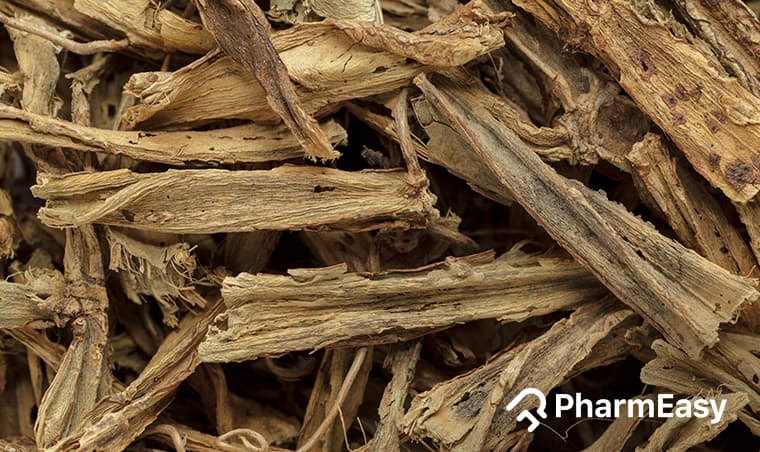
Hadjod (Cissus Quadrangularis): An Ancient Indian Plant for Contemporary Wellness
Meena, 45, a homemaker from Jaipur, experienced a persistent discomfort in her wrists and knees, particularly during the monsoon season when increased humidity seemed to amplify her joint unease. Years of domestic duties, including sitting on the floor for religious ceremonies and preparing meals in the customary way, had left their mark. Her physician suggested exploring natural approaches alongside her standard medical care. This recommendation led her to Hadjod, also scientifically identified as Cissus quadrangularis, a venerable plant deeply embedded in Ayurvedic medicine.
When considering natural aids, Hadjod stands out significantly. For centuries, it has been a cornerstone of Indian customary remedies, especially noted for its remarkable influence on skeletal structure and recovery. Picture it this way: our predecessors recognized the potency of this vine long before contemporary science could measure it.
This powerful plant, often called 'bone setter' in Sanskrit (Asthisandharaka), is more than just folklore; its effectiveness is progressively confirmed by scientific investigation. In India, where established practices frequently merge seamlessly with modern living, understanding such plants becomes vital for complete well-being.
What this implies for you is the availability of a potent, time-honored aid in managing conditions affecting your skeletal framework and overall state of being.
Hadjod's Significant Advantages and Applications
The medicinal potential of Cissus quadrangularis is broad, primarily focusing on its impact on bone processes and joint comfort. It's important to recognize that its active components are thought to encourage osteoblasts, the cells that build bone, while discouraging osteoclasts, which break down bone tissue. This dual action is crucial for preserving bone density and resilience.
Skeletal Structure Support and Fracture Mending
Arguably Hadjod's most lauded application is its capacity to speed up bone repair. Clinical observations have suggested that Cissus quadrangularis can notably shorten the duration required for bone breaks to mend. Investigations published in publications such as the International Journal of Bone Science have yielded encouraging findings, indicating that constituents within the plant can foster the development of callus tissue, the initial phase of skeletal repair. This makes it a valuable complementary therapy for individuals recovering from fractures or managing conditions like osteoporosis. Indeed, osteoporosis affects an estimated 40 million individuals in India, predominantly women past menopause, rendering bone well-being a considerable public wellness concern.
The International Osteoporosis Foundation (IOF) underscores the escalating challenge posed by this condition worldwide, and India is certainly not exempt. Hadjod's capability to bolster bone mineral density could contribute to preventative strategies.
Joint Discomfort and Arthritis Care
For those experiencing joint pain, osteoarthritis, or rheumatoid arthritis, Hadjod offers a ray of optimism. Its anti-inflammatory characteristics are central to this benefit. Persistent inflammation is a primary factor in joint deterioration and pain. Studies indicate that Cissus quadrangularis can help lower levels of inflammatory indicators in the body, thereby easing pain and enhancing joint mobility. A study featured in the Journal of Ayurveda and Integrative Medicine documented substantial improvements in pain assessment scores and physical capability among individuals with knee osteoarthritis who received Cissus quadrangularis extract supplements.
What action should you take? Integrating Hadjod into your regimen, under professional supervision, might assist in managing the discomfort linked to inflammatory joint ailments.
Body Weight Regulation and Metabolic Well-being
Interestingly, Hadjod's advantages extend beyond bone and joint care. Emerging investigations point to a role in managing body weight. Certain studies suggest that Cissus quadrangularis may contribute to a reduction in body mass, an improvement in lipid profiles, and a decrease in leptin resistance, a hormone governing appetite and metabolism. Leptin resistance is frequently associated with obesity. A randomized controlled study revealed that participants consuming Cissus quadrangularis exhibited a marked decrease in body weight and BMI compared to those in the placebo group. Projections indicate that over 200 million Indians may be overweight by 2030 (according to WHO assessments), highlighting the critical importance of interventions for weight control.
The reality is: while it's not a miraculous solution for shedding pounds, it could serve as a supportive element within a broader framework of healthy living habits. It is believed to assist by influencing fat metabolism and curbing appetite.
The numbers don't lie.
Additional Potential Advantages
Beyond these primary applications, Hadjod is also under scrutiny for other prospective wellness benefits:
- Antioxidant Qualities: It contains compounds that can aid in combating oxidative stress, a factor in the aging process and various long-term health issues.
- Digestive System Support: Historically employed to aid digestion and address issues like indigestion and stomach ulcers.
- Hemorrhoid Relief: Certain Ayurvedic texts propose its use in managing hemorrhoids due to its astringent attributes.
- Blood Sugar Regulation: Initial findings suggest a possible role in enhancing insulin sensitivity and managing blood glucose levels, though further study is warranted. The International Diabetes Federation (IDF) reports that India ranks second globally in the number of individuals with diabetes, emphasizing the necessity for such investigative work.
Understanding Hadjod: Dosing, Forms, and Safety Considerations
Hadjod is accessible in numerous formats, including powders, capsules, and liquid extracts. The appropriate quantity can differ based on the presentation, the concentration of active compounds, and the individual's specific health status.
It is imperative to adhere to the dosage guidelines provided by the producer or, more critically, by your medical practitioner.
Typically, Cissus quadrangularis extracts are standardized to contain a specific proportion of active phytosterols. For bone repair, typical quantities might range from 500 mg to 1000 mg daily, often administered in two separate doses. For managing body weight or joint discomfort, similar quantities have been examined in studies. Nevertheless, these are general recommendations.
Presentations of Hadjod
- Powder: The dried and ground stem of the plant. It can be blended with water, milk, or honey.
- Capsules/Pills: Standardized extracts enclosed in capsules for ease of use.
- Liquid Extract: An alcohol-based preparation, usually taken in small liquid amounts.
- Churna: In Ayurvedic practice, the powdered form utilized in customary preparations.
Adverse Reactions and Cautions
Generally regarded as safe for the majority of adults when used at recommended levels, Hadjod might cause minor adverse effects in some people. These could encompass digestive disturbances like queasiness, a dry mouth sensation, or loose stools. In truth, side effects are typically transient and diminish as your body adapts.
It is vital to proceed with caution in specific circumstances:
- Gestation and Lactation: There is insufficient reliable data concerning the safety of Cissus quadrangularis during pregnancy and while nursing. It is advisable to abstain from its use during these periods.
- Diabetes: Given that Hadjod might influence blood glucose levels, individuals with diabetes should closely monitor their sugar readings if using this plant and consult their physician.
- Surgical Procedures: Due to its potential impact on blood sugar and clotting, it is prudent to discontinue Hadjod use at least two weeks before any planned surgery.
- Drug Interactions: Hadjod could potentially interact with certain pharmaceuticals, including blood thinners, antidiabetic medications, and drugs for cholesterol reduction.
Always seek the advice of a qualified medical professional before making any health-related choices.
Hadjod in Indian Heritage and Ayurvedic Philosophy
The importance of Hadjod in India extends beyond its medicinal qualities; it is intrinsically linked to cultural customs and Ayurvedic knowledge. Its Sanskrit designation, Asthisandharaka, directly translates to 'bone mender,' underscoring its long-established reputation.
Ayurvedic practitioners have employed it for millennia to treat fractures, sprains, and various ailments related to the skeletal system. The preparation and administration of plant-based remedies are frequently deeply integrated into daily routines, passed down through generations.
It sounds simple. It rarely is.
Consider this perspective: In numerous Indian households, particularly in rural regions, familiarity with plants like Hadjod is commonplace. It is not unusual for a grandmother to prepare a poultice from the fresh stem or offer a decoction for a child's sprain.
This inherited wisdom, while often anecdotal, constitutes a crucial component of India's rich legacy of natural healing. The ICMR (Indian Council of Medical Research) has supported studies aimed at validating such indigenous Indian remedies, acknowledging their potential value.
It's worth noting: The vine flourishes in various parts of India, often growing wild, making it an accessible resource for many communities. Its ease of cultivation and widespread availability further contribute to its extensive customary application.
Scientific Substantiation and Investigative Work
While customary usage provides a robust foundation, contemporary scientific investigation is increasingly corroborating the assertions made about Hadjod. Studies have concentrated on isolating its active constituents, such as flavonoids and terpenoids, and examining their modes of action.
This is where most patients struggle.
The outcomes from various preclinical and clinical examinations, published in respected journals like *Phytomedicine* and the *Journal of Ethnopharmacology*, are encouraging.
For example, investigations have demonstrated that extracts of Cissus quadrangularis exhibit notable anti-inflammatory and antioxidant effects in laboratory environments. Its capacity to influence bone turnover indicators has been a particular area of focus, with studies illustrating its beneficial impact on bone mineral density and fracture healing rates in animal subjects. Although human trials are progressing and more thorough investigation is required, the existing evidence supports its conventional applications and suggests its potential as a therapeutic agent.
So, what does this signify for you? It means that the remedies your ancestors might have utilized are now undergoing rigorous scrutiny, offering a scientific basis for their continued use and potentially revealing new therapeutic possibilities.
Crucial Insights
- Hadjod (Cissus quadrangularis) is a time-honored Ayurvedic plant recognized as a 'bone setter' for its contributions to skeletal well-being and fracture recovery.
- It possesses anti-inflammatory properties that may aid in alleviating joint discomfort and symptoms associated with arthritis.
- Emerging scientific inquiry suggests Hadjod could play a part in body weight management by influencing metabolic processes and reducing appetite.
- While generally considered safe, potential adverse effects include mild digestive disturbances, and caution is advised for expectant/nursing mothers and individuals with diabetes or undergoing medication.
- Scientific studies are progressively validating the established applications of Hadjod, particularly in bone metabolism and inflammation control.
Always seek the guidance of a qualified medical practitioner before making any health-related decisions.