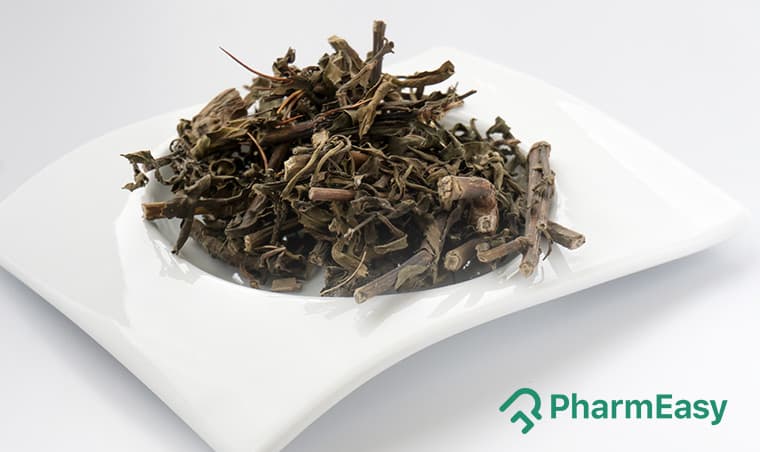
Gokshura: Nature's Aid for Holistic Well-being
Meena, 45, a homemaker from Jaipur, experienced persistent discomfort and a frequent need to urinate. These symptoms, along with general fatigue, made her daily life a struggle. After seeing her local Ayurvedic practitioner, she was introduced to Gokshura (Tribulus terrestris), a herb steeped in ancient Indian tradition. Within weeks, Meena felt significant relief; her energy levels rose, and the urinary discomfort eased. Her experience is not uncommon. For centuries, Gokshura has been valued in Ayurveda for its therapeutic qualities.
The truth is, many people face well-being concerns that ancient wisdom like Ayurveda can help address. Gokshura, often found growing wild across India, particularly in drier areas, is one such potent herb. Its use is deeply ingrained in Ayurvedic texts, where it's praised for its ability to balance bodily energies, especially Vata and Pitta doshas.
In practical terms, its adaptogenic nature helps the body manage stress, contributing to overall wellness. Why does this occur? Its unique chemical makeup, rich in saponins, alkaloids, and flavonoids, is the foundation of its varied advantages.
The Multifaceted Advantages of Gokshura
Gokshura's therapeutic uses are extensive, impacting various aspects of wellness. Its primary recognition stems from its positive influence on the urinary system and its role in boosting vitality.
Kidney Wellness and Urinary Function
One of the most documented benefits of Gokshura is its support for kidney wellness. It's believed to act as a diuretic, aiding the body in flushing out toxins and preventing kidney stone formation. Research suggests Gokshura may lower the risk of urinary tract infections (UTIs) by stopping bacteria from attaching to urinary tract walls. In India, where water quality can vary greatly, maintaining urinary tract wellness is crucial.
The herb is thought to strengthen the urinary system, encouraging smooth urine flow and easing burning sensations during urination. Some studies indicate it might even assist manage conditions like dysuria (painful urination) and crystalluria (crystals in the urine). This points to a natural way to support a vital bodily filtration system.
That's the part worth remembering.
Enhancing Male Vitality and Desire
Gokshura has gained a reputation as a powerful aphrodisiac and a tonic for male reproductive wellness. It is believed to elevate levels of testosterone and luteinizing hormone (LH), which are key for sperm production and sexual function. This makes it a popular choice for men experiencing low libido or erectile dysfunction. Its effects are more than just anecdotal; clinical trials have explored its potential to improve sperm count and motility.
A study in the *International Journal of Impotence Research* found that Tribulus terrestris extract showed promise in enhancing sexual desire and satisfaction in men. The herb's ability to boost circulation also contributes to its effectiveness in addressing erectile issues. For men seeking natural ways to boost their virility, Gokshura offers a compelling option.
Boosting Strength and Athletic Performance
Athletes and bodybuilders often turn to Gokshura for its potential to optimise physical performance. The herb is thought to increase muscle strength and endurance, possibly by enhancing blood flow to muscles and aiding faster recovery post-exercise. Its adaptogenic qualities support combat fatigue, allowing for longer, more intense training sessions.
While scientific evidence is still developing, traditional use and personal accounts suggest it can be a valuable supplement for those aiming to push their physical limits. Some studies, including those in sports nutrition, have hinted at anabolic-like results without the negative side effects of synthetic steroids.
That's the part worth remembering.
Hormonal Balance and Menstrual Wellness
While often highlighted for male vitality, Gokshura also provides advantages for women's wellness. In Ayurveda, it's used to support regulate menstrual cycles and ease indicators of premenstrual syndrome (PMS), such as mood swings and bloating. It is believed to assist balance hormones, making it useful for conditions like polycystic ovary syndrome (PCOS), where hormonal imbalance is a notable factor.
The International Journal of Pharmaceutical Sciences and Research has published studies examining its phytoestrogenic qualities. For women navigating hormonal wellness complexities, Gokshura can be a supportive natural remedy.
Cardiovascular Wellness
Emerging research suggests Gokshura may support a healthy cardiovascular system. Its potential to lower blood pressure and cholesterol levels is under investigation. By promoting better blood flow and reducing oxidative stress, it could play a role in preventing heart disease.
The World Health Organization (WHO) has noted the rising burden of cardiovascular diseases in India, making natural interventions like Gokshura of considerable interest. Though more research is needed, initial findings are promising.
This is where most patients struggle.
Anti-inflammatory and Antioxidant Qualities
Gokshura is rich in compounds that exhibit potent anti-inflammatory and antioxidant effects. These qualities enable combat free radical damage in the body, which is linked to aging and various chronic ailments. The anti-inflammatory action can reduce swelling and pain, making it helpful for conditions like arthritis.
Its antioxidant capacity supports overall cellular wellness and immune function. These qualities are fundamental to its wide-ranging advantages.
Understanding Gokshura: Dosage, Forms, and Use
Effective use of Gokshura depends on understanding the correct dosage and form. It's available in various forms, including powders (churna), tablets, capsules, and liquid extracts. The dosage typically ranges from 1 to 3 grams of powder daily, or as advised by a healthcare provider. For tablets and capsules, follow the product's specific directions.
The powder can be taken with warm water, milk, or honey. It's often recommended after meals. The choice of form and dosage may differ based on individual needs, the specific health issue being addressed, and the preparation's potency. In many instances, Ayurvedic practitioners customize the dosage based on a patient's constitution (Prakriti) and the severity of the imbalance (Vikriti).
Potential Side Effects and Precautions
While Gokshura is generally considered safe for most people when used properly, some potential side effects and precautions warrant consideration. Mild digestive upset, such as stomach discomfort or nausea, might occur in some individuals, particularly when taken on an empty stomach. It's wise to consume it with food to lessen this. Pregnant and breastfeeding women should avoid Gokshura, as its effects on fetal development and infants are not well-established. Individuals with pre-existing medical conditions, especially those affecting the prostate or kidneys, should consult their doctor before use. Though uncommon, some users have reported sleep disturbances or increased body hair growth (hirsutism) in women, possibly due to hormonal influences.
That's the part worth remembering.
The herb's impact on hormones necessitates caution in sensitive individuals or those on hormone therapy. Over-reliance on any single herb without professional guidance can mask underlying problems or lead to unintended outcomes. It's vital to remember that natural doesn't always mean possibility-free. Over 101 million Indians have diabetes (ICMR, 2023), a condition needing careful management, and while Gokshura might offer some support for related issues like kidney wellness, it's not a cure and shouldn't replace conventional treatment. Similarly, for cardiovascular concerns, it's best used as a complementary therapy under expert guidance.
Drug Interactions
Gokshura might interact with certain medications. If you are taking diuretics, lithium, blood pressure drugs, or medications metabolized by the liver (cytochrome P450 enzymes), consult your physician.
The herb's diuretic action could potentially alter the excretion of specific drugs. It's always prudent to inform your healthcare provider about all supplements and medications you are using.
When to Exercise Caution
Women with hormone-sensitive conditions (like breast cancer, uterine fibroids, or endometriosis) should use Gokshura with extreme care or avoid it entirely. Its potential hormonal activity could worsen these conditions. Likewise, individuals with prostate cancer or benign prostatic hyperplasia (BPH) should seek medical advice before using Gokshura.
While it's traditionally used for urinary issues, its effect on prostate wellness requires careful consideration. Even simple actions like sitting on the floor for extended periods, common in Indian homes, can sometimes aggravate existing urinary discomfort; Gokshura might offer relief, but professional diagnosis is key.
The numbers don't lie.
Gokshura in Traditional Indian Practices
The integration of Gokshura into daily life in India often reflects its cultural importance. During festivals, dietary habits shift, sometimes leading to digestive or urinary issues, where Gokshura might be traditionally employed to restore balance. Ayurvedic practitioners frequently prescribe it as part of a broader management plan, considering the individual's constitution and the season.
For example, during the monsoon season, when humidity rises and susceptibility to infections increases, Gokshura might be recommended to support the urinary system. Its use is not merely medicinal; it's woven into the fabric of wellness practices that have sustained generations. Recommendations from institutions like the All India Institute of Medical Sciences (AIIMS) for integrating traditional medicine with modern healthcare highlight the growing recognition of such potent herbs.
Key Takeaways
- Gokshura (Tribulus terrestris) is an Ayurvedic herb noted for its advantages in urinary wellness, male vitality, and kidney support.
- It may aid prevent kidney stones and UTIs by promoting detoxification and hindering bacterial adherence.
- Traditionally used to boost male libido and elevate sperm quality, studies are exploring its hormonal effects.
- Gokshura also possesses anti-inflammatory and antioxidant qualities, contributing to overall well-being.
- Consult a healthcare professional for appropriate dosage and to rule out potential side effects or drug interactions, especially if you have pre-existing conditions.
Always consult a qualified physician before making any medical decisions.