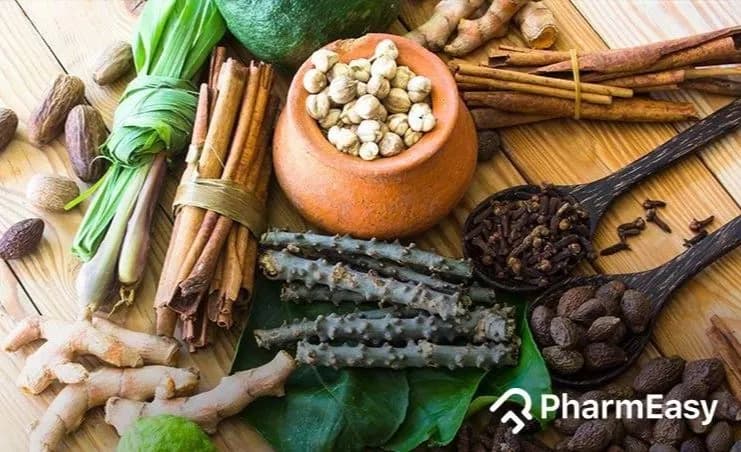
Chandraprabha Vati: Uses, Benefits, Side Effects & Precautions
Meena, 45, a homemaker from Jaipur, noticed a persistent burning sensation every time she urinated. This discomfort, coupled with frequent urges, significantly impacted her daily life. After consulting her local practitioner, she was prescribed Chandraprabha Vati.
Within a few weeks, her symptoms began to subside, bringing her immense relief. This common scenario highlights the enduring relevance of traditional formulations in modern India.
Chandraprabha Vati, also known as Chandraprabha Gulika, is a classical preparation revered for its therapeutic properties. Its name, translating to "moonlight powder," hints at its cooling and balancing effects on the body. This potent preparation is widely used to address a spectrum of ailments, particularly those related to the system, reproductive health, and metabolic disorders.
It is typically prepared by combining a blend of numerous medicinal and minerals, processed meticulously according to ancient principles. Have you ever wondered why certain ancient remedies remain effective?
The efficacy of Chandraprabha Vati stems from its unique combination of ingredients, each contributing to its overall therapeutic action. These components are believed to pacify aggravated Vata and Kapha doshas, often implicated in the diseases it treats.
Recovery is rarely linear.
The preparation process itself is crucial, involving careful grinding, mixing, and purification steps to enhance the potency and bioavailability of the elements. What should you actually do when faced with persistent discomfort?
Key Benefits and Uses of Chandraprabha Vati
System Health
One of the most well-established uses of Chandraprabha Vati is in managing infections (UTIs) and other system disorders. UTIs affect millions of people annually; in India, while specific nationwide data for UTIs is scarce, anecdotal evidence and practitioner reports suggest a high prevalence, especially among women.
The anti-inflammatory, diuretic, and antimicrobial properties of the within Chandraprabha Vati help combat infection, reduce inflammation, and promote the flushing out of toxins from the tract. It is particularly beneficial in cases of painful urination (dysuria), burning sensation, and frequent urination.
Chandraprabha Vati is frequently recommended for conditions such as kidney stones and bladder stones. Its diuretic action aids in increasing urine output, which can assist in the passage of small stones and prevent the formation of new ones.
Recovery is rarely linear.
Some studies, though preliminary, suggest that certain constituents of the may assist break down calculus formations. It is important to remember that while it can offer supportive care, severe cases require conventional medical intervention.
Digestive System Support
Beyond its impact on the system, Chandraprabha Vati also demonstrates considerable benefits for digestive health. In Ayurveda, a strong digestive fire (Agni) is considered foundational to overall well-being. This formulation helps to improve digestion and metabolism.
It can be useful in managing conditions like indigestion, bloating, and gas, often stemming from an imbalanced digestive fire. The carminative properties of its components support in expelling trapped gases from the gastrointestinal tract.
What most people miss: its ability to regulate bowel movements is also a significant advantage. By balancing Vata dosha, which governs bodily movements including the elimination process, it can aid alleviate constipation.
Most people overlook this completely.
A healthy gut microbiome is crucial, and by supporting digestive functions, Chandraprabha Vati contributes indirectly to this balance.
Reproductive and Menstrual Health
Chandraprabha Vati is also considered beneficial for women's reproductive health. It is often prescribed to enable manage conditions like leucorrhea (a white discharge) and menstrual irregularities. The formulation is believed to strengthen the reproductive organs and balance hormonal levels.
Its cooling nature can also provide relief from discomfort associated with the menstrual cycle. In India, traditional practices often involve remedies during different phases of a woman's life, and Chandraprabha Vati fits within this context.
For men, it is sometimes used to address issues related to sexual vitality and sperm quality, although such uses are less commonly documented in mainstream clinical practice compared to its applications. The holistic approach of Ayurveda considers the interconnectedness of all bodily systems.
Other Potential Benefits
The therapeutic scope of Chandraprabha Vati extends to other areas as well. It is often employed in managing diabetes, where it is believed to benefit regulate blood sugar levels. Over 101 million Indians have diabetes (ICMR, 2023), making it a notable public challenge, and adjuncts are often explored.
This is where most patients struggle.
Its components are thought to boost insulin sensitivity and reduce glucose absorption. However, it is crucial to integrate such remedies alongside conventional diabetes management strategies under medical supervision.
Additionally, Chandraprabha Vati is used to alleviate joint pain and inflammation, particularly those associated with arthritis. The anti-inflammatory properties of its constituent elements can offer relief from the stiffness and swelling characteristic of these conditions.
Its impact on Kapha dosha helps reduce excess fluid accumulation and associated pain. Worth knowing: Its general tonic effect can also contribute to improved energy levels and overall well-being.
Composition of Chandraprabha Vati
The exact composition can vary slightly between manufacturers, but a typical Chandraprabha Vati formulation includes a marked number of components, often exceeding 30. Key components usually include:
- Main Elements: Karpura (Camphor), Haridra (Turmeric), Daruharidra (Barberry), Musta (Nutgrass), Ativisha (Aconite - processed), Shunthi (Ginger), Maricha (Black Pepper), Pippali (Long Pepper) - the Trikatu trio for digestion.
- Minerals: Shuddha Shilajitu (Purified Shilajit), Shuddha Guggulu (Purified Guggul), Lauha Bhasma (Iron Calx), Vanga Bhasma (Tin Calx), Tamra Bhasma (Copper Calx).
- Other Ingredients: Sandalwood, Cardamom, Cinnamon, Tejpatta (Bay Leaf), and various other and minerals, processed with goat's milk or decoctions.
The processing of certain components, particularly minerals and some potent elements like Aconite, involves specific purification (Shodhana) and incineration (Bhasma) techniques to render them safe and enhance their therapeutic efficacy, a hallmark of pharmaceutical science.
That alone changes everything.
Dosage and Administration
The dosage of Chandraprabha Vati generally depends on the age, condition, and severity of the ailment. Typically, adults are advised to take 1-2 tablets (usually 250-500 mg each) twice daily, either in the morning or evening, or as prescribed by a qualified practitioner.
It is commonly administered with warm water, milk, or honey. For specific conditions like UTIs or kidney stones, the duration of treatment can range from a few weeks to several months.
Here's the thing — consistency is key with treatments. It is essential to follow the prescribed dosage and duration religiously to achieve the desired therapeutic outcomes. Self-medication is strongly discouraged, especially for chronic or severe conditions.
Side Effects and Precautions
Chandraprabha Vati is generally considered safe when taken in the recommended dosage under the guidance of a healthcare professional. However, like any medication, it can have potential side effects, though they are rare.
Some individuals might experience mild gastrointestinal disturbances like nausea or stomach upset, especially if taken on an empty stomach.
Precautions to consider:
- Pregnancy and Breastfeeding: Pregnant and lactating women should avoid using Chandraprabha Vati unless specifically advised by a doctor, due to the potential effects of some constituents.
- Children: Administration to children should only be done under strict pediatric supervision.
- Existing Medical Conditions: Individuals with pre-existing conditions, such as severe kidney disease or high blood pressure, should consult their physician before starting this medication. The presence of heavy metals in Bhasma preparations necessitates caution and professional guidance.
- Allergies: If you have known allergies to any of the components, avoid its use.
- Drug Interactions: Although documented interactions are few, it's prudent to inform your doctor about all medications and supplements you are currently taking.
What most people miss: The quality of the product is paramount. Always opt for reputable brands that adhere to Good Manufacturing Practices (GMP) for medicines.
The presence of heavy metals, if not properly processed, can be a serious concern. Institutions like the Central Council for Research in Sciences (CCRAS) work towards standardizing such formulations.
Research and Evidence
While Chandraprabha Vati has a long history of use in medicine, robust clinical trials adhering to modern scientific standards are still emerging. Several small-scale studies and case reports have shown promising results for its use in managing UTIs, kidney stones, and diabetes.
It sounds simple. It rarely is.
For instance, some research published in journals like the *Journal of and Integrative Medicine* has explored its anti-diabetic and anti-inflammatory effects. The International Diabetes Federation (IDF) highlights the global burden of diabetes, underscoring the need for diverse therapeutic approaches.
However, more large-scale, randomized controlled trials are needed to establish definitive efficacy and safety profiles according to Western medical paradigms. Researchers are continually investigating the pharmacological actions of its complex phytochemical constituents.
The World Health Organization (WHO) recognizes traditional medicine as a vital part of healthcare, encouraging further research into well-established remedies like Chandraprabha Vati.
Conclusion: Embracing Traditional Wisdom
Chandraprabha Vati stands as a testament to the profound wisdom embedded in. Its multifaceted benefits, particularly for and digestive health, make it a valuable addition to the natural arsenal.
From alleviating the discomfort of UTIs to supporting metabolic balance, this formulation offers a holistic approach to well-being. The intricate blend of and minerals, processed with ancient expertise, continues to provide relief to countless individuals across India and beyond.
Remember, while natural remedies can be highly proven, they are most potent when used judiciously and with professional guidance. The vibrant traditions of Indian medicine, coupled with modern scientific inquiry, offer a promising path towards better well-being.
The numbers don't lie.
This ancient remedy is a powerful example of how traditional knowledge can be integrated into contemporary healthcare.
Key Takeaways:
- Chandraprabha Vati is a traditional preparation, mineral blend.
- It is primarily used for infections, kidney stones, and discomfort.
- Additional benefits include support for digestion, menstrual health, and diabetes management.
- The formulation contains a complex blend of over 30 and minerals.
- Dosage should be determined by a qualified practitioner; consult a doctor for any medical concerns.
Always consult a qualified physician before making any medical decisions.