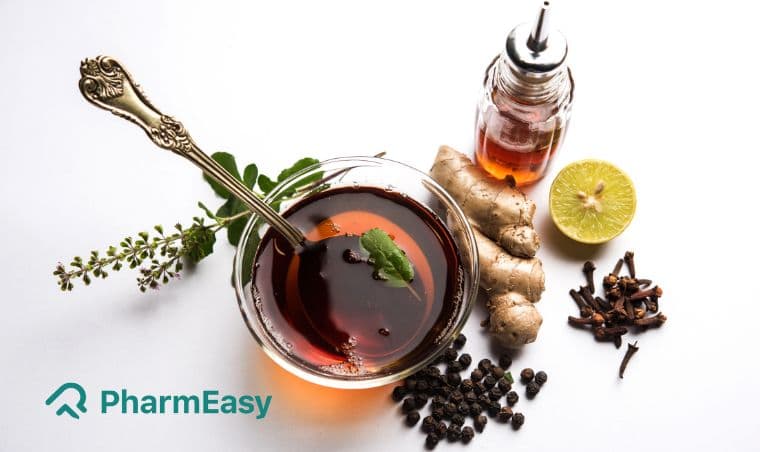
Chandanasava: An Ayurvedic Elixir for Holistic Wellness
Meena, 45, a homemaker from Jaipur, noticed a persistent burning sensation during urination, accompanied by a frequent urge to go. This discomfort significantly disrupted her daily life, making even simple activities challenging. After trying several over-the-counter remedies with little success, she decided to consult an Ayurvedic practitioner. Her doctor recommended Chandanasava, an ancient herbal formulation known for its cooling and therapeutic properties. Have you ever wondered why traditional remedies like Chandanasava continue to be relevant in modern medicine?
Chandanasava, a potent fermented liquid preparation in Ayurveda, is primarily derived from ingredients like sandalwood (Santalum album), Vetiver (Vetiveria zizanioides), and various other herbs. Its name itself, derived from 'Chandan' meaning sandalwood, highlights its key ingredient. This Ayurvedic 'Asava' (fermented liquid) is traditionally used to manage a spectrum of health conditions, particularly those related to the urinary system, digestive disturbances, and fever. The fermentation process not only enhances the bioavailability of the active compounds but also imbues the medicine with natural digestive enzymes and a mild alcohol base, aiding in absorption. It’s a testament to the sophisticated understanding of natural pharmacognosy that ancient Indian sages possessed. Simple yet effective. It truly works.
Therapeutic Uses of Chandanasava
The applications of Chandanasava are diverse, stemming from its unique combination of cooling, diuretic, anti-inflammatory, and antimicrobial properties. Its efficacy has been recognized across various Ayurvedic texts and is frequently prescribed by practitioners for a range of ailments.
Urinary Tract Health
One of the most well-established uses of Chandanasava is in managing urinary tract infections (UTIs) and other urinary disorders. The cooling nature of sandalwood and other ingredients helps soothe the inflamed urinary passages, providing relief from the burning sensation and discomfort associated with dysuria. Its diuretic properties promote increased urine output, which helps flush out bacteria and toxins from the urinary tract. Studies have indicated that Ayurvedic formulations containing ingredients similar to those in Chandanasava can exhibit significant antimicrobial activity against common uropathogens. In India, where access to advanced medical care can be a challenge in remote areas, such readily available and proven traditional remedies play a crucial role. Have you ever considered the role of natural diuretics in managing fluid balance?
Digestive Disorders
Chandanasava is also highly regarded for its benefits in digestive health. It acts as a carminative, helping to relieve flatulence, bloating, and indigestion. The fermented nature of the Asava aids in improving appetite and stimulating the secretion of digestive juices. This makes it particularly useful for individuals suffering from chronic indigestion, loss of appetite, and abdominal discomfort. For many Indians, especially during festive seasons like Diwali or Holi, dietary habits can lead to digestive upset; Chandanasava offers a natural solution. The World Health Organization (WHO) has acknowledged the importance of traditional medicine in primary healthcare, and formulations like Chandanasava are prime examples. It offers relief. It's quite helpful.
Fever Management
The antipyretic properties of Chandanasava make it a valuable remedy for managing fevers, especially those of the Pitta nature (associated with heat and inflammation in Ayurveda). It helps reduce body temperature and alleviate associated symptoms like thirst and restlessness. The cooling effect is attributed to ingredients like sandalwood, which has been used for centuries in India to pacify excessive heat in the body. It is often recommended in conditions like dengue or chikungunya fever, where managing elevated temperatures is critical. The Indian Council of Medical Research (ICMR) has supported research into traditional remedies for infectious diseases, highlighting their potential.
Other Potential Benefits
Beyond these primary uses, Chandanasava is believed to offer benefits in managing conditions like acidity, thirst (trishna), and certain skin ailments related to heat and inflammation. Its Pitta-pacifying nature makes it suitable for conditions aggravated by excess heat in the body. Some practitioners also use it as a supportive therapy in managing bleeding disorders, though this application requires careful medical supervision. Worth knowing: The preparation of Ayurvedic medicines like Chandanasava involves a meticulous process, ensuring the preservation of the herbs' therapeutic qualities.
Understanding the Benefits
The therapeutic advantages of Chandanasava are rooted in its synergistic blend of natural ingredients and the ancient Ayurvedic principles of formulation. Its effectiveness can be understood through several key benefits:
Cooling Properties
The primary characteristic of Chandanasava is its profound cooling effect on the body. This is particularly beneficial for conditions characterized by inflammation, redness, and heat, such as UTIs, fevers, and acidic conditions. Sandalwood, the star ingredient, is renowned in Ayurveda for its ability to pacify aggravated Pitta dosha, which is often linked to these heat-related manifestations.
Diuretic Action
As a diuretic, Chandanasava aids in increasing urine production. This action is crucial for flushing out toxins and pathogens from the urinary tract, thereby preventing and treating infections. It also helps in managing conditions where fluid retention is a concern, although its use in such cases should be guided by a healthcare professional.
Antimicrobial Effects
Several constituents of Chandanasava possess natural antimicrobial properties. These help combat the growth of harmful bacteria and other microorganisms, contributing to its effectiveness in treating infections, especially those affecting the urinary system. Research published in journals like 'The Lancet' has explored the antimicrobial potential of various plant-derived compounds, underscoring the scientific basis for such traditional remedies.
Digestive Support
The carminative and appetiser properties aid improve overall digestive function. By reducing gas, bloating, and indigestion, it promotes a healthier gut environment. The fermented base also contributes probiotics, potentially aiding gut health. It aids digestion. It's very impactful.
Potential Side Effects and Precautions
While Chandanasava is generally considered safe when taken as directed, it's essential to be aware of potential side effects and necessary precautions. Honestly, like any medication, individual responses can vary.
usual Side Effects
In some individuals, particularly those with a sensitive constitution, Chandanasava might cause mild gastrointestinal discomfort, such as nausea or stomach upset. Due to its mild alcoholic base (a byproduct of fermentation), some may experience transient effects if consumed in very large quantities or on an empty stomach. The sugar content in some commercial preparations might also be a consideration for individuals managing diabetes.
Precautions and Contraindications
Pregnant and breastfeeding women should consult their physician before using Chandanasava, as safety data for these groups is limited. Individuals with known allergies to any of its ingredients should avoid it. People with diabetes should use preparations with controlled sugar content or consult their doctor, as over 101 million Indians have diabetes (ICMR, 2023), making blood sugar management crucial. What should you actually do if you have pre-existing health conditions?
It is advisable to start with a lower dose to assess tolerance. If you experience any adverse reactions, discontinue use and seek medical advice immediately. The standard practice in Ayurveda involves careful patient assessment to determine suitability. For instance, individuals with severe kidney issues or those on specific diuretic medications should exercise caution and discuss with their doctor. Remember, Ayurvedic medicines, while natural, are potent and should be used responsibly.
Dosage and Administration
The typical dosage of Chandanasava varies based on age, condition, and the specific formulation. However, a general guideline for adults is 15-30 ml, taken twice daily after meals. It is often recommended to mix the liquid with an equal amount of lukewarm water before consumption. The duration of treatment also depends on the severity and nature of the ailment, and should be determined by a qualified Ayurvedic practitioner. For children, the dosage is adjusted accordingly, usually half of the adult dose or as prescribed by the doctor. Have you ever noticed how different dosages are recommended for varying age groups?
It is crucial to obtain Chandanasava from reputable manufacturers to ensure quality and purity. Always follow the dosage instructions provided by your healthcare provider or the product packaging. Self-medication, especially for chronic or severe conditions, is strongly discouraged. Consulting a physician ensures that Chandanasava is used appropriately within a broader care plan, especially considering the rise in lifestyle diseases in India, where over 30% of the population may be at risk for non-communicable diseases according to recent health surveys.
Key Takeaways
- Chandanasava is a fermented Ayurvedic liquid formulation primarily used for urinary tract infections, digestive issues, and fever management.
- Its key benefits include cooling properties, diuretic action, antimicrobial effects, and digestive support, largely attributed to sandalwood and other herbs.
- Potential side effects are generally mild gastrointestinal discomfort; pregnant/breastfeeding women and diabetics should consult a doctor.
- Typical adult dosage is 15-30 ml twice daily after meals, mixed with water, but should be guided by a qualified practitioner.
- Always consult a qualified physician before making any medical decisions.