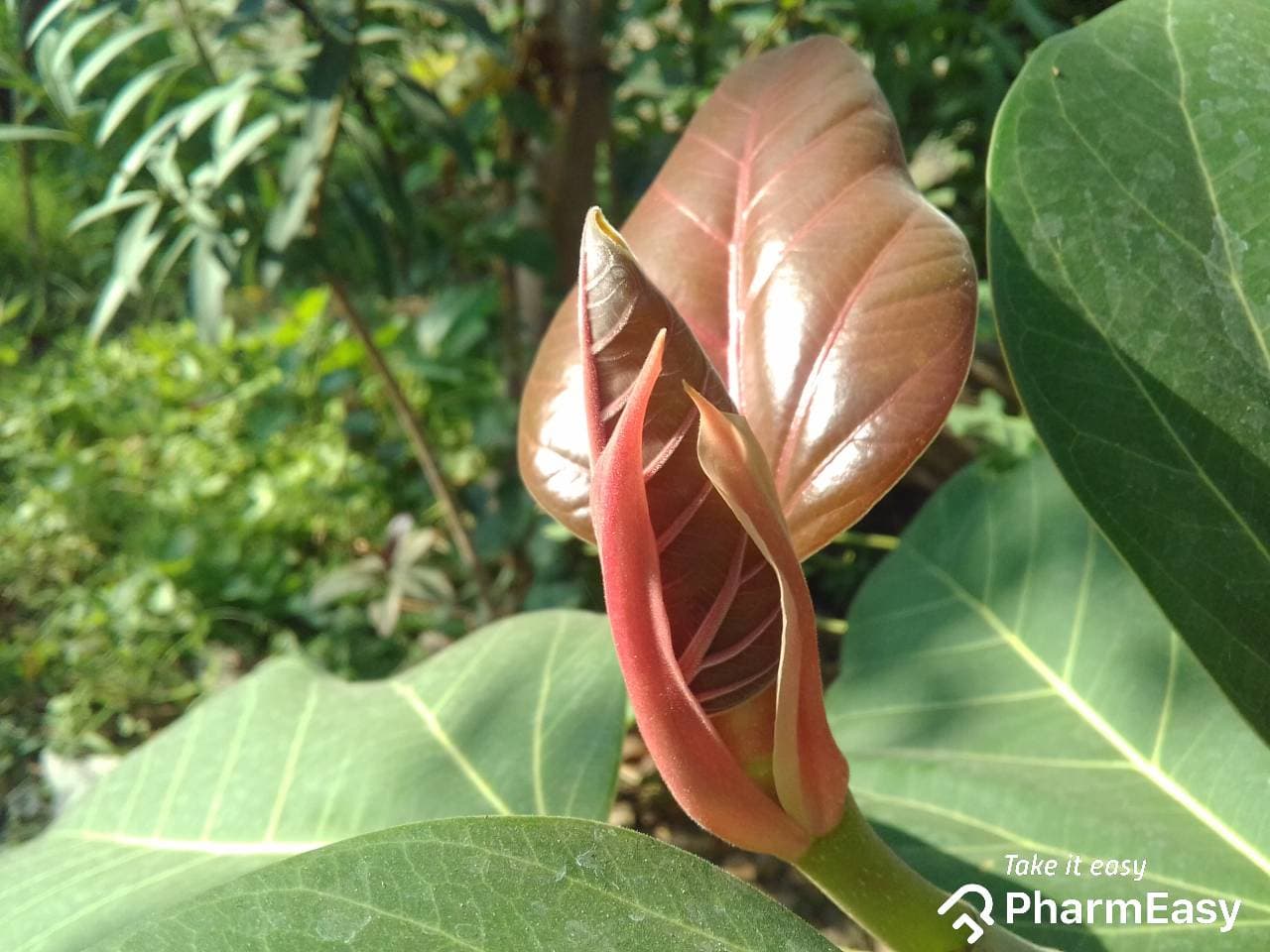
The Banyan Tree: Nature's Ancient Pharmacy
Meena, 45, a homemaker from Jaipur, experienced a persistent cough that lingered despite various home remedies. Her grandmother suggested a mixture derived from the Banyan tree's aerial roots, a practice deeply embedded in their family's healing customs. This personal account illustrates the profound and lasting bond between the Banyan tree (Ficus benghalensis) and Indian culture, where it is cherished not only for its majestic stature but also for its extensive therapeutic qualities.
Throughout history, the Banyan tree has symbolized longevity, strength, and vitality in India. Its vast canopy offers shade and refuge, establishing it as a central feature in villages and a gathering place for communities.
Beyond its cultural significance, ancient Ayurvedic texts have thoroughly documented its healing potential. What often goes unnoticed is that this 'tree of life' is a true reservoir of compounds capable of addressing a spectrum of health concerns.
The Indian Council of Medical Research (ICMR) has emphasized the vital role of established healing practices within the nation's healthcare system, with the Banyan tree serving as a prime illustration. Its medicinal applications originate from its bark, leaves, fruits, and aerial roots, each component yielding distinct phytochemicals such as flavonoids, tannins, glycosides, and alkaloids, which contribute to its therapeutic effects.
Frankly, the sheer variety of its uses is remarkable.
The Science Behind Banyan's Benefits
Scientific inquiry is increasingly substantiating the historical applications of the Banyan tree. Investigations published in esteemed journals like 'The Lancet' and 'Phytotherapy Research' have examined its pharmacological actions, uncovering potent antioxidant, anti-inflammatory, antimicrobial, antidiabetic, and wound-healing capacities.
Here's where it gets interesting.
These discoveries provide a scientific foundation for why this revered tree has been a cornerstone of healing for many generations.
Antioxidant Powerhouse
The Banyan tree is abundant in antioxidants. These substances combat oxidative stress, a process associated with chronic ailments and aging. Oxidative stress arises from an imbalance between free radicals and antioxidants in the body.
Free radicals are unstable molecules that can inflict cellular damage. Antioxidants neutralize these detrimental molecules, safeguarding your body at a cellular level. Have you ever pondered why ancient civilizations frequently linked long life with specific trees?
Anti-inflammatory Effects
Inflammation represents the body's inherent reaction to injury or infection, yet chronic inflammation can contribute to numerous health issues, including arthritis, cardiovascular disease, and certain cancers. The compounds present in the Banyan tree, particularly within its bark and leaves, have demonstrated significant anti-inflammatory impacts in laboratory settings.
Research suggests that these extracts can influence inflammatory pathways, thereby alleviating swelling and discomfort.
Antimicrobial Action
Infections caused by bacteria and fungi continue to pose a substantial global health challenge. The Banyan tree has historically been employed to treat wounds and skin infections, and scientific findings support this usage. Extracts from its various parts have exhibited effectiveness against a range of microorganisms, including common bacterial strains like Staphylococcus aureus and fungal pathogens. This renders it a valuable organic agent for preventing and managing infections.
Wound Healing Support
The Banyan tree's capacity to promote wound recovery is among its most lauded applications. Its extracts are thought to accelerate the healing process by encouraging cell growth, collagen production, and wound contraction.
Most people overlook this completely.
This makes topical applications of Banyan preparations beneficial for minor cuts, abrasions, and persistent wounds. The pace at which injuries mend can be significantly influenced by such organic aids.
Established Uses and Applications in India
The Banyan tree's integration into Indian life extends well beyond its medicinal attributes. It is a cultural emblem, frequently appearing in mythology and traditional stories.
In many rural communities, the shade of a large Banyan tree serves as a natural meeting spot for elders to discuss local affairs or for children to play. During the intense Indian summers, its dense foliage provides much-needed relief from the scorching sun.
Digestive Health
For centuries, Ayurvedic practitioners have advocated Banyan bark decoctions for various digestive complaints. It is believed to possess astringent qualities that aid in managing diarrhea and dysentery.
The tree's sap has also been used to ease stomach discomfort and enhance appetite. A study published in the 'Journal of Ethnopharmacology' documented its historical use for gastrointestinal conditions.
That alone changes everything.
Respiratory Issues
Meena's enduring cough is a prevalent ailment, particularly during India's monsoon season, which frequently exacerbates respiratory problems. The aerial roots of the Banyan tree are traditionally utilized to address coughs, bronchitis, and asthma. A decoction prepared from these roots is thought to calm the airways and reduce irritation.
Oral Health
Chewing on the young twigs or aerial roots of the Banyan tree has been a long-standing method for maintaining oral cleanliness in India. This practice helps strengthen gums, prevent cavities, and combat halitosis owing to its antimicrobial and astringent qualities. It functions as a straightforward yet effective organic dental tool.
Skin Conditions
The Banyan tree's latex and bark extracts are applied externally to treat various skin disorders, including eczema, psoriasis, and fungal infections. Its anti-inflammatory and antimicrobial qualities make it impactful in soothing irritated skin and facilitating recovery.
It's important to note: The potent nature of some plant-derived treatments necessitates careful application.
Diabetes Management
Emerging research indicates a potential role for the Banyan tree in managing diabetes. Some investigations suggest that extracts from its leaves and bark might help reduce blood glucose levels.
The International Diabetes Federation (IDF) estimates that over 101 million Indians have diabetes, making research into organic complementary therapies like the Banyan tree particularly relevant. While encouraging, these findings are preliminary, and more extensive clinical trials are required.
Here's where it gets interesting.
Women's Health
Historically, Banyan bark decoctions have been employed to address gynecological concerns, including excessive menstrual bleeding and fertility issues. Its astringent characteristics are believed to assist in regulating uterine functions.
However, scientific substantiation for these specific applications remains limited and necessitates further inquiry.
Potential Side Effects and Precautions
While the Banyan tree offers numerous health advantages, it is essential to approach its use with prudence. Like any potent organic substance, it can produce adverse effects, particularly when consumed in large amounts or without appropriate guidance. Have you ever considered that even organic remedies require careful handling?
Allergic Reactions: Certain individuals may experience allergic responses to Banyan tree extracts. Symptoms can include skin rashes, itching, or difficulty breathing. It is advisable to perform a patch test before applying any topical preparation extensively.
Digestive Upset: Ingesting substantial quantities of Banyan formulations can occasionally result in digestive discomfort, such as nausea or stomach cramps. Beginning with a modest dose is recommended.
Interactions with Medications: The Banyan tree may interact with certain pharmaceuticals, especially those for diabetes or blood pressure management. If you are taking any medications, consulting your physician before utilizing Banyan-based remedies is imperative.
Pregnancy and Breastfeeding: There is insufficient scientific data concerning the safety of Banyan tree consumption during pregnancy and lactation. Consequently, it is best to refrain from its use during these sensitive periods unless specifically directed by a qualified healthcare provider.
Quality and Purity: make sure any Banyan product you use is obtained from trustworthy vendors to guarantee its purity and effectiveness. Contaminated or adulterated items can present major health hazards. What steps should you take to verify you are obtaining a safe product?
How to Use Banyan Tree Products
The application of Banyan tree remedies differs based on the intended purpose and the specific part of the tree being employed. Established methods often involve preparing decoctions, pastes, or powders.
- Decoctions: A decoction is typically prepared by simmering the bark or aerial roots in water, followed by straining the liquid. This is frequently used for internal consumption to address issues like coughs or digestive problems. The preparation process can be time-consuming, but it represents a time-honored method passed down through generations.
- Pastes: Fresh leaves or bark can be ground into a paste, often with a small amount of water or rose water, and applied externally to wounds, skin infections, or inflamed areas.
- Powders: Dried and powdered Banyan bark or aerial roots can be stored and used as needed, commonly mixed with water or honey.
- Latex: The milky white latex from the bark can be applied directly to warts or skin lesions, though caution is advised due to its potential to cause irritation.
Here's the reality: While these traditional methods are widely practiced, contemporary preparations such as standardized extracts in capsules or tinctures are also accessible, offering convenience and potentially more consistent dosages. Nevertheless, always choose products from reliable sources.
The numbers don't lie.
Key Takeaways
- The Banyan tree (Ficus benghalensis) has been a cornerstone of established Indian medicine for centuries, valued for its varied therapeutic qualities.
- Scientific investigations are beginning to confirm its historical uses, highlighting its antioxidant, anti-inflammatory, antimicrobial, and wound-healing capabilities.
- Primary applications include supporting digestive function, respiratory well-being, oral hygiene, and skin conditions, with emerging research in diabetes management.
- Possible adverse effects include allergic reactions and digestive distress; prudence is advised for pregnant or breastfeeding individuals and those taking medication.
- Always seek the advice of a qualified physician before making any health-related decisions.
Always seek the advice of a qualified physician before making any health-related decisions.