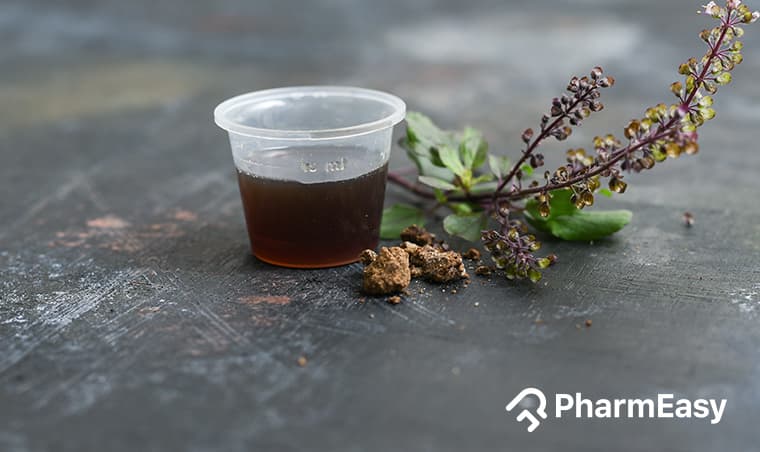
Arjunarishta: An Ayurvedic Elixir for a Healthy Heart
Meena, 45, a homemaker from Jaipur, noticed a persistent fatigue that wasn't relieved by rest. Coupled with occasional breathlessness, she felt her usual vigour dwindling.
Her grandmother, a staunch believer in traditional remedies, suggested she try Arjunarishta, a time-tested Ayurvedic formulation. This ancient concoction, primarily derived from the bark of the Arjuna tree, has been a cornerstone of cardiac care in India for centuries.
What most people miss: While modern medicine offers advanced cardiac treatments, the wisdom of Ayurveda, India's ancient healing system, continues to offer profound benefits, especially in preventative and supportive care. Arjunarishta, in particular, stands out as a potent herbal tonic, revered for its ability to strengthen the cardiac muscle and improve overall cardiac function.
The Science Behind Arjunarishta
The efficacy of Arjunarishta lies in its primary ingredient, Terminalia arjuna, commonly known as the Arjuna tree. Its bark is rich in bioactive compounds like arjunone, arjunone A, arjunin, and gallic acid, which possess antioxidant, anti-inflammatory, and cardioprotective properties. These compounds work synergistically to support cardiovascular health.
Research, including studies published in journals like The Lancet and investigations by institutions such as the Indian Council of Medical Research (ICMR), has begun to explore the pharmacological actions of Arjuna. While more extensive clinical trials are ongoing, preliminary findings suggest that Arjuna bark extracts can help reduce oxidative stress and inflammation in the cardiovascular system. These effects are crucial in managing conditions associated with cardiac disease. The reality is, the synergistic action of these herbs, fermented using traditional Ayurvedic methods, enhances their bioavailability and therapeutic potential.
Key Benefits of Arjunarishta
Arjunarishta is not just a single-herb preparation; it often includes other beneficial herbs like jaggery (Gud), honey (Madhu), and sometimes fruits like raisins (Draksha) or herbs like ginger (Shunthi) and cinnamon (Twak), which add to its therapeutic profile.
Cardiac Support
The most celebrated benefit of Arjunarishta is its role in supporting cardiac health. It is believed to strengthen the cardiac muscle (myocardium), enhance the pumping efficiency of the cardiac organ, and assist regulate its rhythm. Studies suggest it may enable in managing conditions like angina, arrhythmias, and cardiac failure.
For instance, some research indicates that it can assist reduce blood pressure and enhance lipid profiles. Over 101 million Indians have diabetes (ICMR, 2023), a significant risk factor for cardiac disease, making such supportive remedies invaluable.
That's the part worth remembering.
Blood Pressure Management
Arjunarishta is often recommended for individuals struggling with hypertension. Its hypotensive properties, attributed to compounds in the Arjuna bark, may assist relax blood vessels, thereby lowering blood pressure. Think about it this way: a smoother flow through your vessels means less strain on your cardiac muscle.
While not a replacement for prescribed antihypertensives, it can serve as an excellent complementary therapy under medical supervision. 28 billion adults have hypertension, with a major portion in South Asia.
Cholesterol Regulation
High cholesterol levels are a major contributor to atherosclerosis, a condition where plaque builds up in the arteries. Arjunarishta is thought to possess lipid-lowering properties. It may enable reduce levels of LDL (bad) cholesterol and triglycerides while potentially increasing HDL (good) cholesterol.
This effect contributes to maintaining healthy arteries and reducing the danger of cardiac events and strokes. The International Diabetes Federation (IDF) notes the strong link between diabetes, dyslipidemia, and cardiac disease.
Here's where it gets interesting.
Antioxidant and Anti-inflammatory Effects
The rich antioxidant content in Arjunarishta helps combat oxidative stress caused by free radicals in the body. Free radicals can damage cells, including those in the cardiac muscle and blood vessels, leading to inflammation and disease. By neutralizing these harmful molecules, Arjunarishta offers a protective effect.
Have you ever wondered why chronic inflammation is linked to so many diseases? It's a complex process where the body's defence mechanisms can inadvertently cause damage.
Digestive Aid
The fermentation process involved in making Arjunarishta, along with the inclusion of digestive herbs, can make it beneficial for digestion. It may benefit optimise appetite and alleviate symptoms of indigestion.
This is particularly relevant during festive seasons in India, where dietary habits often change drastically, leading to digestive discomfort.
How to Use Arjunarishta
Arjunarishta is typically consumed orally. The standard dosage for adults is usually 15-30 ml, mixed with an equal amount of water, twice a day after meals. However, this can vary based on age, situation, and the specific formulation. It is crucial to follow the dosage instructions provided by your Ayurvedic practitioner or the product packaging.
Practically speaking, incorporating Arjunarishta into your daily routine is straightforward. It's a liquid tonic, easily digestible, and its taste, while somewhat bitter due to the Arjuna bark, is often balanced by the jaggery and other ingredients.
This is where most patients struggle.
For those who find the taste challenging, consuming it with a little honey or water can assist. Remember that consistency is key to experiencing its benefits.
Potential Side Effects and Precautions
While generally considered safe when taken in recommended doses, Arjunarishta can have some side effects, especially if overused or in individuals with specific sensitivities.
- Digestive Upset: Some individuals might experience mild stomach upset, nausea, or diarrhoea.
- Blood Sugar Levels: Due to the presence of jaggery or honey, individuals with diabetes should monitor their blood sugar levels closely. Consultation with a doctor is essential.
- Allergic Reactions: Though rare, allergic reactions to any of the herbal components are possible.
- Pregnancy and Breastfeeding: Pregnant and breastfeeding women should avoid Arjunarishta unless specifically advised by a healthcare professional.
- Interactions: If you are on other medications, particularly for cardiac conditions or blood pressure, it is vital to discuss Arjunarishta use with your doctor to avoid potential interactions.
What should you actually do? Always inform your physician about all the supplements and herbal remedies you are taking.
This holistic approach ensures your safety and allows for integrated care. It's common in many Indian households for elders to sit on the floor for extended periods during religious ceremonies or family gatherings; for those with existing cardiac issues, maintaining comfortable seating positions is advisable.
Arjunarishta vs. Modern Medicine
Arjunarishta and modern cardiac medications serve different, though sometimes complementary, roles. Modern medicine offers powerful, evidence-based treatments for acute cardiac events and severe conditions, often with immediate and potent effects. Arjunarishta, on the other hand, falls into the realm of supportive and preventative care within the Ayurvedic framework.
It works gradually, aiming to strengthen the body's natural healing mechanisms and build resilience over time. The two are not mutually exclusive; many individuals find benefit in using Arjunarishta as an adjunct therapy under the guidance of both their Ayurvedic practitioner and conventional doctor. The choice often depends on the severity of the situation, individual preferences, and the overall treatment strategy.
Conclusion: Embracing Traditional Wisdom
Arjunarishta represents the enduring legacy of Ayurvedic wisdom in promoting cardiovascular well-being. Its natural composition, coupled with a gentle yet effective action, makes it a valuable addition to a cardiac-healthy lifestyle for many Indians. As with any therapeutic agent, responsible usage and professional guidance are paramount.
That's the part worth remembering.
Key Takeaways:
- Arjunarishta is an Ayurvedic herbal tonic primarily used for cardiac health, with Terminalia arjuna as its main ingredient.
- It is believed to strengthen the cardiac muscle, regulate blood pressure, and optimise cholesterol levels.
- The formulation contains antioxidants and anti-inflammatory compounds that protect the cardiovascular system.
- Standard dosage is typically 15-30 ml twice daily with water after meals, but professional consultation is advised.
- Potential side effects are generally mild but can include digestive upset; caution is advised for diabetics and those on medication.
Always consult a qualified physician before making any medical decisions.